What Your Post-Growth Treatment Lab-Grown Diamond Report Reveals
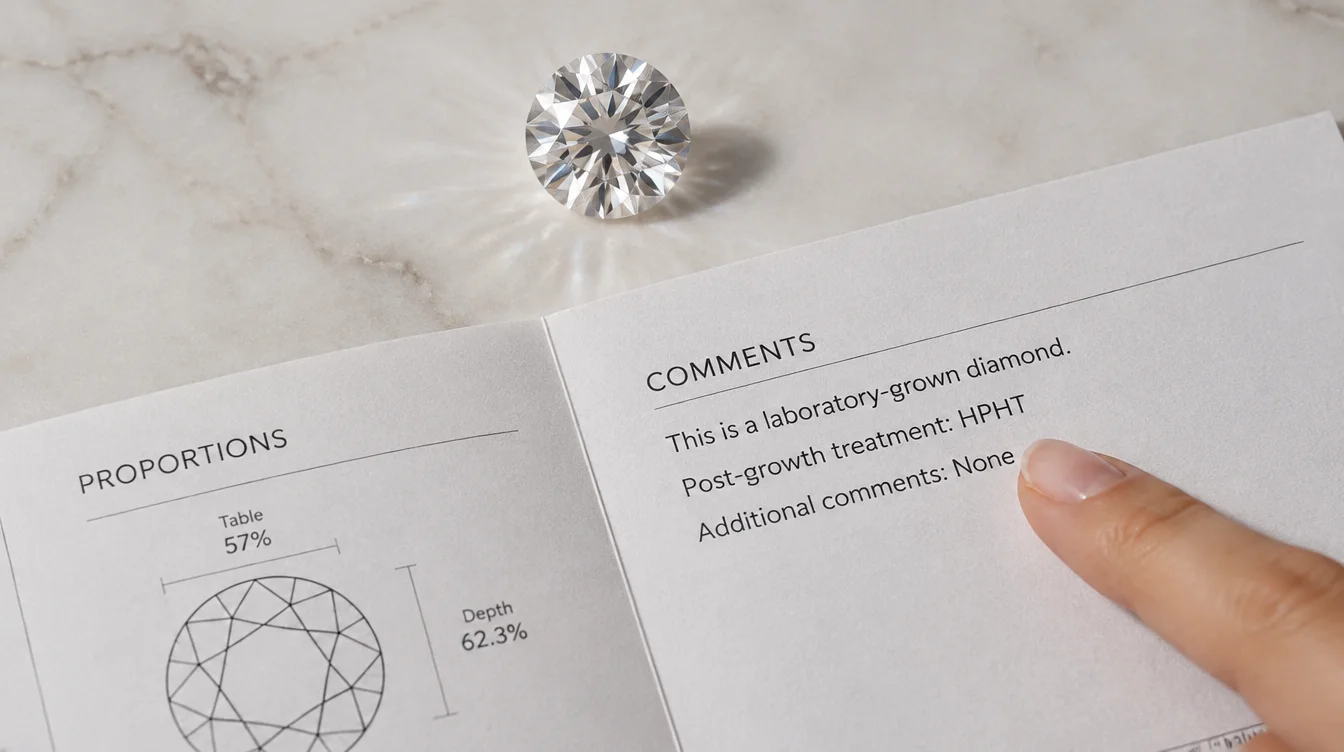
A post-growth treatment lab-grown diamond report tells you something clear. The stone's color or clarity was improved after it finished growing. This is usually done through HPHT annealing. That single line matters. Treated stones cost less than untreated ones with the same color grade. The treatment is permanent, too. It's not a coating you need to worry about. But the report doesn't always say if the process left the diamond looking hazy or milky. That's the real question shoppers should ask. Knowing this helps you compare prices with your eyes open.
What Post-Growth Treatment Actually Means on a Report
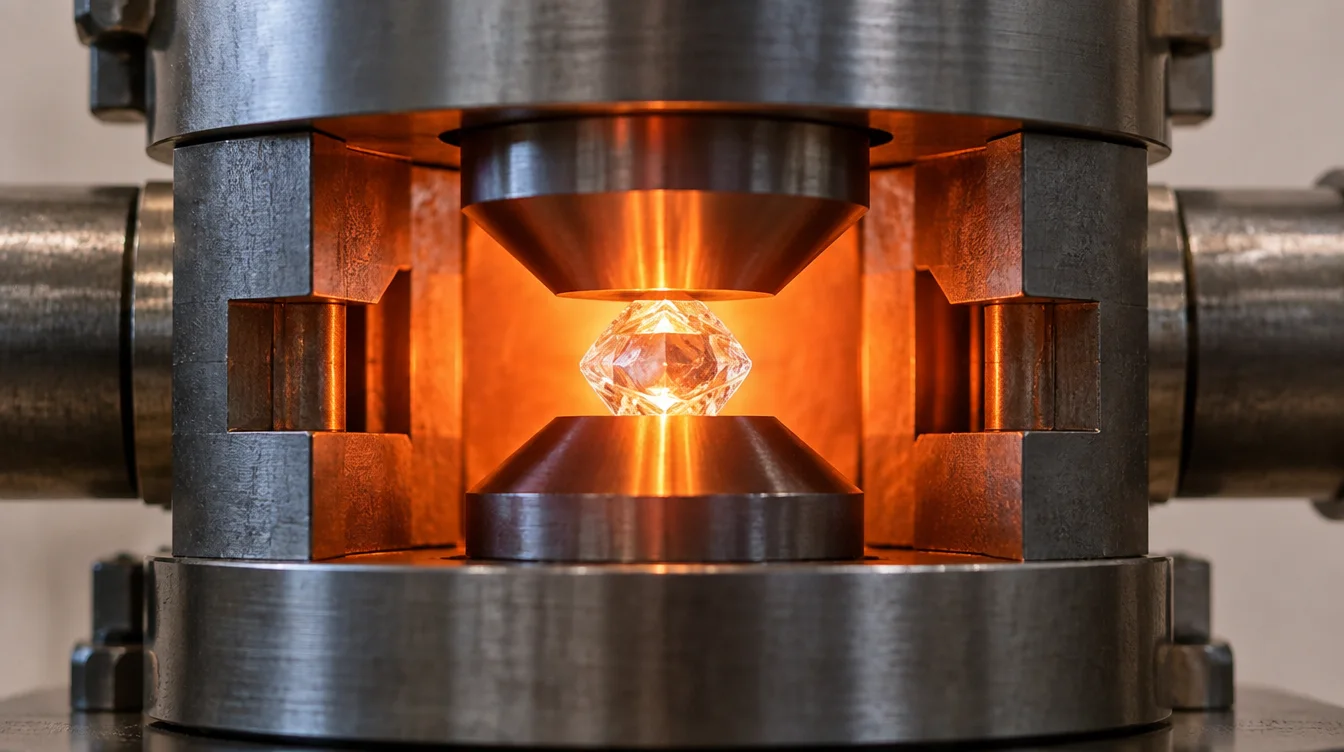
Post-growth treatment means a lab changed how the diamond looks after it finished growing. Most of the time, that means HPHT. That stands for high pressure high temperature. Growers place the finished crystal back into a press. They expose it to intense heat and pressure. These conditions are similar to those deep underground. That's where natural diamonds form. This rearranges tiny defects in the carbon lattice. It also strips out unwanted brown or yellow tones. Some fancy color lab diamonds go through irradiation instead. This shifts color toward pink, blue, or green. Either way, the change happens at the atomic level. It's not a surface trick. Once it's done, it's done. A grading report from GIA or IGI will note the treatment in the comments section. It usually includes a short line stating the diamond received post-growth treatment.
HPHT Treatment Lab Diamonds vs Irradiation
HPHT treatment lab diamonds are far more common than irradiated ones. Roughly 80 to 90 percent of CVD grown diamonds need some kind of HPHT annealing. This cleans up brown coloration caused by lattice defects during rapid growth. Irradiation shows up mostly on fancy color stones. There, a grower wants a specific pink or blue hue rather than a colorless result. Both treatments are considered permanent by gemological labs. Neither one is reversible. Neither requires special care once the stone is set.
CVD Diamond Post-Growth Treatment Rates
CVD diamond post-growth treatment is close to standard practice. It's not the exception. CVD growth happens fast. So the carbon atoms don't always stack up cleanly. This leaves strain and impurities that create a brownish tint. Growers accept this tradeoff. It lets them grow diamonds faster and cheaper. They fix the color afterward in a separate HPHT cycle. That's a business decision that shapes the entire market. It explains why so many affordable colorless lab diamonds have a treatment note somewhere on their certificate.
How Post-Growth Treatment Diamond Value Differs From Natural Diamond Treatments
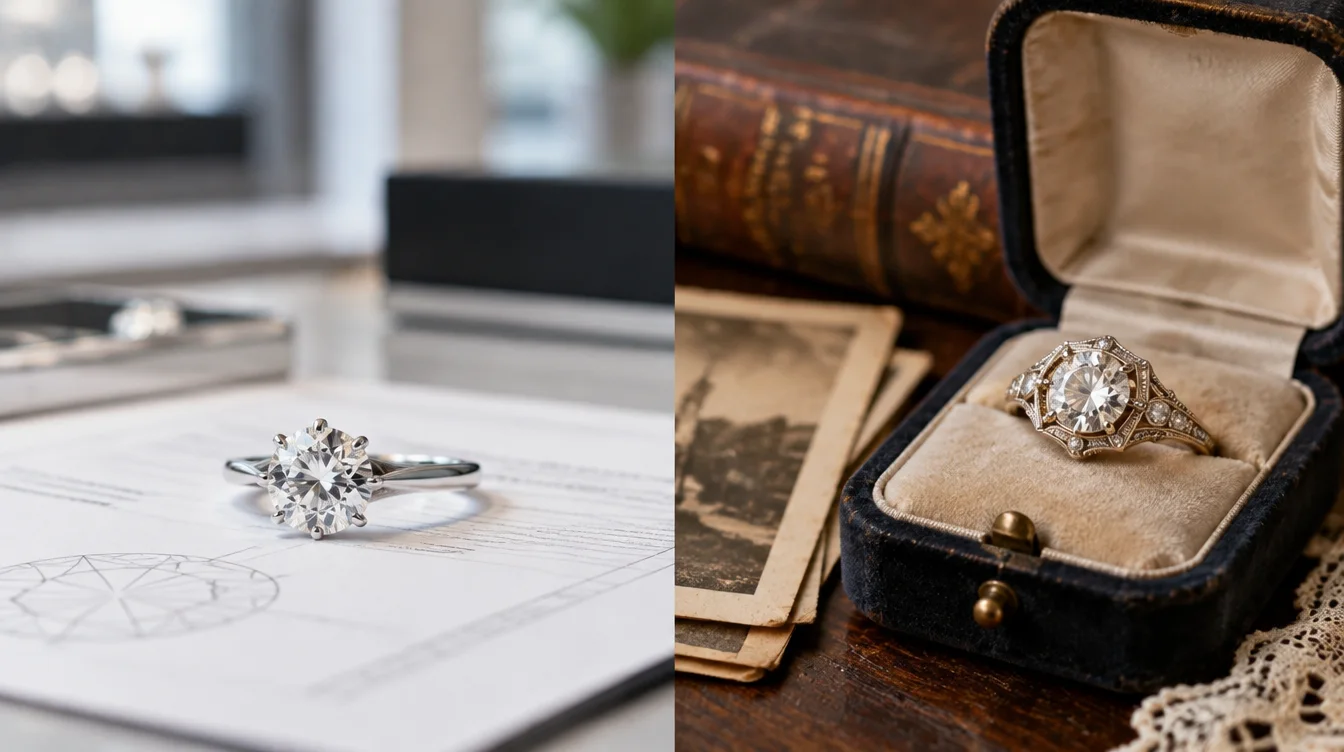
Post-growth treatment diamond value follows different rules than treatment disclosures for natural stones. With natural diamonds, treatment history can tank resale value fast. Collector interest can drop almost overnight. Buyers of natural stones tend to avoid treated color enhancement entirely. They see it as a mark against rarity and authenticity. Lab diamond shoppers see it differently. That's largely because the entire stone was already made in a factory. If the whole diamond is a factory product, treating its color afterward doesn't feel like a separate problem to most buyers. That's part of why lab diamond prices already sit far below natural diamond prices for the same specs. It's a gap worth understanding if you're weighing options covered in our lab diamond vs moissanite comparison. The pricing logic is different, but the disclosure principle stays the same. Know what you're buying before you pay for it.
Why Treated Naturals Lose More Value
Treated natural diamonds lose value for a clear reason. Rarity and originality drive their entire pricing structure. A natural diamond formed over a billion years underground. Buyers pay for that story as much as the sparkle. Treating its color afterward interrupts that story. Collectors don't forgive that easily. Lab diamonds never had that story to begin with. So a treatment note doesn't hurt the same kind of romantic value.
Lab Diamond As Grown vs Treated Stones (What Changes in the Mirror)
Lab diamond as grown vs treated stones can look identical. Or they can look noticeably different, depending on how much treatment was needed. An as grown diamond achieved its color grade naturally, with zero intervention after the crystal finished forming. A treated stone went through HPHT or irradiation to get there. Chemically, both are 100 percent diamond. Both score 10 on the Mohs hardness scale. Both hold their color permanently once treatment is complete. The visual difference, when it exists, comes down to clarity and brilliance rather than color itself.
Treated Lab Diamonds Hazy Milky Appearance
Treated lab diamonds hazy milky effects show up when a stone needed heavy treatment. This happens to fix serious color or graining problems. The more correction a diamond needs, the higher the odds it comes out with a slight cloudiness. This cloudiness dulls its sparkle under light. This isn't true of every treated stone, though. Plenty of lightly treated diamonds look completely clean. But some CVD diamonds start out with heavy brown saturation or internal graining. Pushing one of these to a D or E color grade through HPHT can leave faint milkiness behind. Always check a stone under a loupe or bright light before buying, treated or not.
Reading the Lab Diamond Certificate Post-Growth Treatment Notation
A lab diamond certificate post-growth treatment notation is usually short. It's easy to miss if you're not looking for it. GIA and IGI both include a comments or additional information section near the bottom of the report. Look for phrasing like "this laboratory-grown diamond has received post-growth treatment," or a note listing the specific method, such as HPHT. If the report simply says "as grown," no treatment was applied. Sellers should hand over the full certificate before you buy, not just a product photo. If a seller hedges when you ask for the certificate, treat that as a warning sign rather than a technicality.
This kind of disclosure transparency matters across colored stones too. It's not just about diamonds. Treatment history on a ruby or sapphire report changes appraisal value the same way. We cover this in our ruby engagement ring guide. The pattern repeats across gemstone categories. Full disclosure protects the buyer. Vague language usually means something's being left out.
Does Post-Growth Treatment Affect Durability and Long-Term Appearance
Post-growth treatment does not affect a lab diamond's durability. Once the process is done, it's done for good. HPHT and irradiation rearrange the internal atomic structure permanently. Nothing is left to fade, peel, or wear away over years of daily wear. This differs from surface coatings used on some other gems. Those coatings can rub off with normal use. A treated lab diamond in a ring worn every day will hold its color just as well as an untreated one. The only lasting effect worth watching is the haze issue mentioned earlier. That's a cosmetic factor present at the time of purchase. It doesn't develop later.
Since treatment doesn't create long-term risk, your buying decision comes down to price and appearance rather than worry about future problems. That shifts the conversation toward budget planning. This matters most for larger stones, where price per carat swings sharply based on color grade and treatment history. We break this down further in our 10 carat diamond ring price guide.
Frequently Asked Questions
How do I know if my lab diamond has post-growth treatment?
Check the comments section of your grading report from GIA or IGI. It will either state the diamond is "as grown," or note that it received post-growth treatment. Often it will also specify HPHT.
Why do CVD diamonds need treatment more than HPHT-grown diamonds?
CVD diamonds grow faster. This leaves more lattice defects and brown coloring behind. Roughly 80 to 90 percent of CVD stones need HPHT annealing afterward. That step gets them to premium color grades.
Can post-growth treatment make a diamond look hazy?
Yes. Heavier treatment can leave a slight milky look. This happens when fixing serious color or graining problems. Lightly treated stones usually show no visible difference at all.
Does post-growth treatment lower resale value for lab diamonds?
It can. This mostly affects collectors who pay a premium for untreated, as grown stones. For everyday buyers focused on appearance and price, the impact tends to be minor.
Is post-growth treatment safe for daily wear?
Yes. The treatment changes the diamond's internal structure permanently. There's no coating to wear off. There's no risk of color fading over time.
Making Sense of the Fine Print
A treatment note on a lab diamond report isn't a red flag. It's just information, and now you know how to read it. Ask for the full certificate. Look at the stone in person or under strong photos before buying. Then decide for yourself: is an as grown stone worth the premium, or does a treated one give you better value for your budget? Either way, you're making the call with facts instead of guesswork. That's exactly how a diamond purchase should go.