Morganite Cloudiness Daily Wear Causes: The Hidden Culprit Behind That Foggy Ring
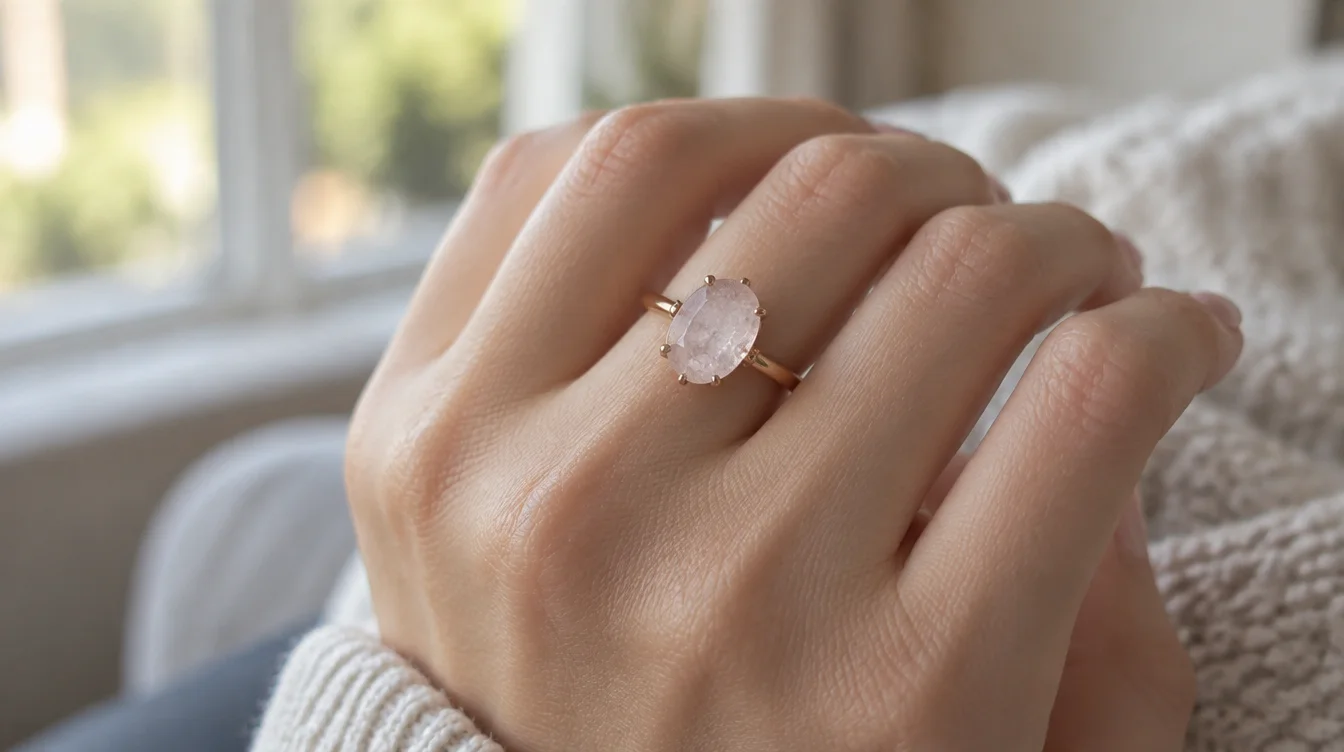
Morganite cloudiness daily wear causes almost always trace back to buildup, not damage. Lotion, sunscreen, soap film, and skin oils coat the stone. This film blocks light from passing through cleanly. The color hasn't changed. Your ring just needs a proper cleaning. Once you know the habits that cause the haze, you can stop it from coming back so fast. 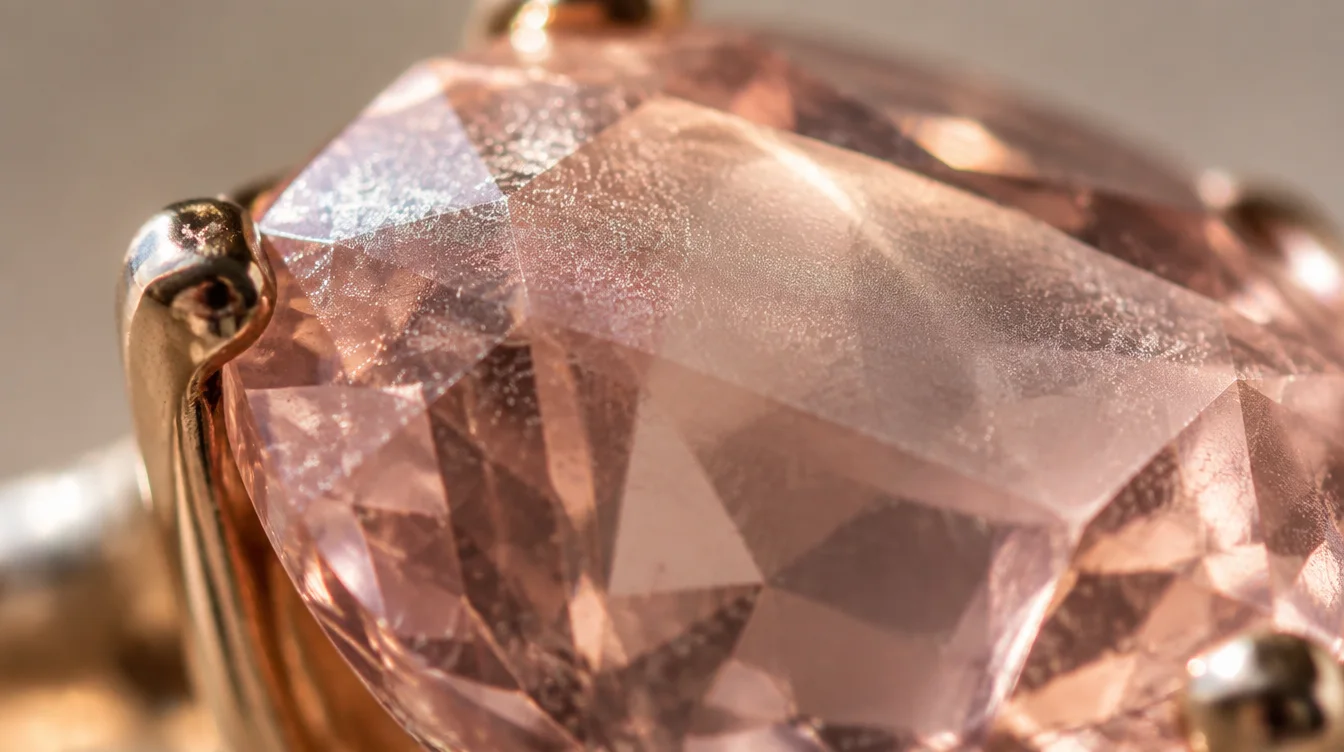 Morganite gets cloudy because grime sits on top of the stone. That grime scatters light instead of letting it pass through. Morganite is a beryl. That's the same mineral family as emerald and aquamarine. It's rated 7.5 to 8 on the Mohs hardness scale. That's tough enough for everyday jewelry. But the surface still picks up a thin film every day you wear it. A layer of oil and residue just a few microns thick can cut light reflection by a lot. That's why a stone that sparkled at the store looks flat and gray six weeks later.
This is not the gem failing. It's simple physics. Light needs a clear path into the stone and back out to create sparkle. Anything coating that surface blocks the path. This happens even with a film too thin to see. Think about a car windshield covered in a thin layer of road film. You can still see through it. But everything looks duller than it should.
This distinction matters because it changes what you do next. If you assume the color faded, you might think there's nothing to fix. But the real problem is surface residue. A five minute cleaning routine usually restores the stone completely. That's a very different fix than treating a stone you think is damaged for good.
Morganite gets cloudy because grime sits on top of the stone. That grime scatters light instead of letting it pass through. Morganite is a beryl. That's the same mineral family as emerald and aquamarine. It's rated 7.5 to 8 on the Mohs hardness scale. That's tough enough for everyday jewelry. But the surface still picks up a thin film every day you wear it. A layer of oil and residue just a few microns thick can cut light reflection by a lot. That's why a stone that sparkled at the store looks flat and gray six weeks later.
This is not the gem failing. It's simple physics. Light needs a clear path into the stone and back out to create sparkle. Anything coating that surface blocks the path. This happens even with a film too thin to see. Think about a car windshield covered in a thin layer of road film. You can still see through it. But everything looks duller than it should.
This distinction matters because it changes what you do next. If you assume the color faded, you might think there's nothing to fix. But the real problem is surface residue. A five minute cleaning routine usually restores the stone completely. That's a very different fix than treating a stone you think is damaged for good. 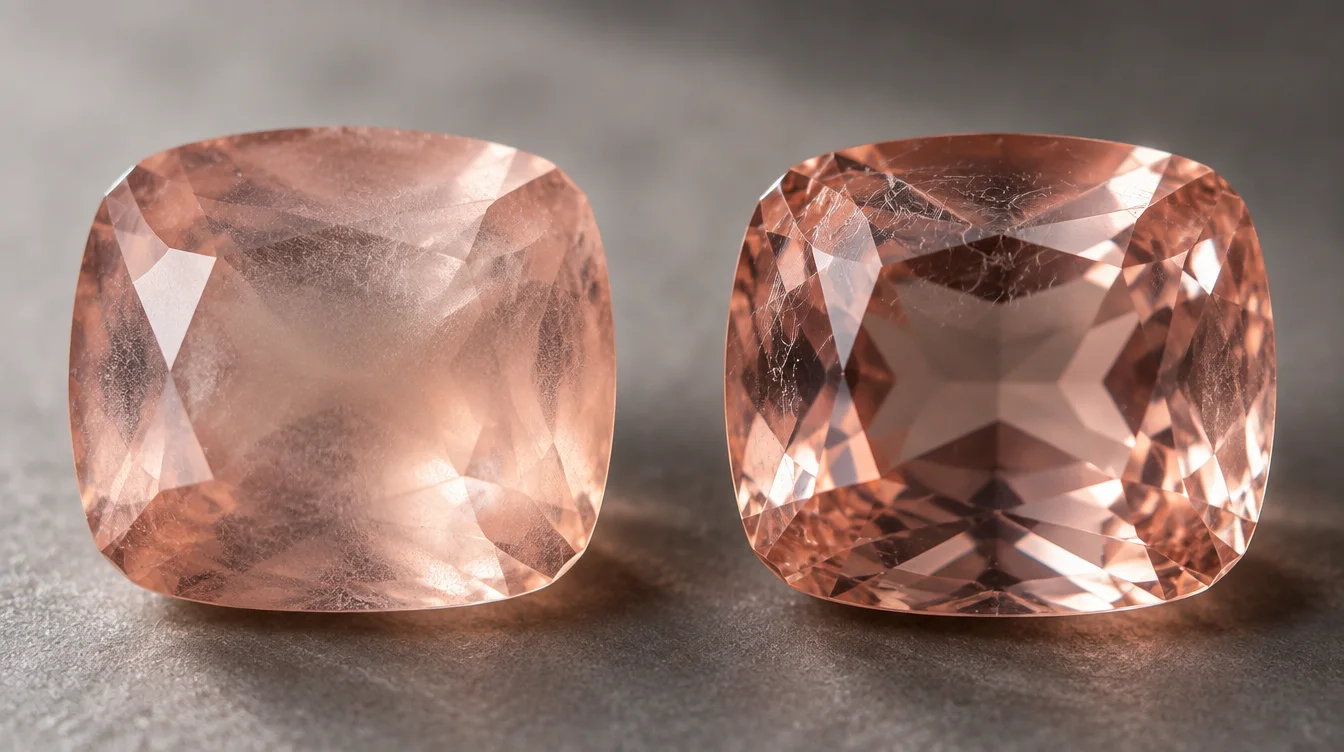 Most cloudy morganite is buildup. But not all of it is. Telling the difference matters before you clean anything hard. Buildup looks like an even haze across the whole stone. It usually clears up after a soak and gentle brushing. Surface damage looks different. It shows up as scratches or small chips at the edges of facets. Sometimes it's a dull patch that never improves, no matter how much you clean it.
What Actually Makes Morganite Look Cloudy After Daily Wear
Morganite gets cloudy because grime sits on top of the stone. That grime scatters light instead of letting it pass through. Morganite is a beryl. That's the same mineral family as emerald and aquamarine. It's rated 7.5 to 8 on the Mohs hardness scale. That's tough enough for everyday jewelry. But the surface still picks up a thin film every day you wear it. A layer of oil and residue just a few microns thick can cut light reflection by a lot. That's why a stone that sparkled at the store looks flat and gray six weeks later.
This is not the gem failing. It's simple physics. Light needs a clear path into the stone and back out to create sparkle. Anything coating that surface blocks the path. This happens even with a film too thin to see. Think about a car windshield covered in a thin layer of road film. You can still see through it. But everything looks duller than it should.
This distinction matters because it changes what you do next. If you assume the color faded, you might think there's nothing to fix. But the real problem is surface residue. A five minute cleaning routine usually restores the stone completely. That's a very different fix than treating a stone you think is damaged for good. Morganite Loses Clarity Buildup Dirt From These Daily Habits
Morganite loses clarity buildup dirt mainly from things you touch. Things you apply while still wearing the ring are the main cause. Hand lotion is probably the single biggest offender. It's designed to cling to skin. It clings just as well to a gemstone's surface. It fills in the tiny facets that create sparkle. Sunscreen behaves the same way, often worse. It contains oils and mineral particles. They're meant to sit on the surface rather than absorb.Sweat and Body Oils
Your skin produces natural oils constantly. Morganite sits directly against skin all day on a ring finger. Sweat adds salt and moisture to that mix. Over a week of daily wear, this creates a thin greasy film across the stone and around the setting. It builds up most underneath, where the stone meets the prongs.Soap and Shower Residue
Washing your hands without removing your ring dulls morganite fast. It's one of the quickest ways to do it. Bar soap leaves behind a waxy residue. Many liquid soaps do too. It doesn't fully rinse away. Do this multiple times a day, every day, and the buildup adds up fast. It gathers fastest around the setting. Water doesn't reach that area as easily.Household Chemicals and Cooking
Dish soap, cleaning sprays, and cooking oils all deposit a film on jewelry, the same way lotion does. Kitchen work is especially rough. Oil splatter and steam both leave residue, and flour or sugar can pack into the underside of the setting. None of this harms the gemstone itself. But it does speed up how quickly the stone looks dull. Once you can name the habits causing the film, it's easier to see why some rings stay clearer longer than others. It usually comes down to how often the wearer's daily routine puts the stone in contact with oils, soap, or moisture.Is It Buildup, Surface Damage, or Moisture Saturation
Most cloudy morganite is buildup. But not all of it is. Telling the difference matters before you clean anything hard. Buildup looks like an even haze across the whole stone. It usually clears up after a soak and gentle brushing. Surface damage looks different. It shows up as scratches or small chips at the edges of facets. Sometimes it's a dull patch that never improves, no matter how much you clean it. Recognizing Surface Scratches
Morganite's 7.5 to 8 hardness rating protects it from most everyday scuffs. But it isn't scratch proof. Contact with harder materials can leave fine scratches over time. This includes diamonds in other rings. It also includes countertops. Abrasive cleaning cloths can do it too. These scratches trap light differently than surface grime. Soap and water won't make them disappear.Moisture and Humidity Effects
Morganite doesn't absorb water the way porous stones like turquoise or opal do. So moisture itself doesn't usually cause internal cloudiness. What humidity does is speed up how quickly oils and residue spread across the surface and settle into the setting. A humid bathroom, for example, combines steam, soap film, and skin oils into one sticky layer. That layer dries as a hazy coating. If your ring stays dull right after a thorough cleaning, that points toward actual surface wear rather than simple buildup. At that point, a jeweler can inspect the stone under magnification. They can tell you whether it needs professional polishing. This distinction also matters when comparing morganite to other popular stones. If you're weighing durability across gemstone types, it helps to see how a stone like cubic zirconia loses clarity over one to two years of daily wear compared to a beryl gem like morganite.How to Clean Cloudy Morganite Ring Without Risking Damage
How to clean cloudy morganite ring properly comes down to warm water, mild soap, and a soft brush, done consistently rather than occasionally. Fill a small bowl with warm water, not hot, and add a few drops of dish soap. Let the ring sit for five to ten minutes so the soap can loosen the film on the stone and around the setting.The Cleaning Process
After soaking, gently scrub the stone with a soft toothbrush. Focus on the underside and where the stone meets the prongs. That's where residue hides most stubbornly. Rinse well under running water. Make sure no soap film remains. Then pat dry with a soft cloth. Avoid paper towels. They can leave tiny fibers or tiny scratches on the surface.How Often You Should Actually Clean It
If you wear your morganite ring daily, clean it every two to three weeks. Occasional wearers can stretch that to once a month. A once a year professional cleaning at a jeweler adds an extra layer of care. They can check the prongs and settings while they're at it.What Not to Do
Skip the ultrasonic cleaner. Skip steam cleaning at home too. Morganite is heat sensitive. Normal wear causes zero issues. Sunlight causes zero issues too. But extreme heat sources can affect the stone. They can also affect the setting over time. Ammonia based jewelry cleaners are worth avoiding as well. They can be too harsh for daily use on a stone this delicate. Cleaning fixes the surface problem almost every time. But prevention is what keeps that sparkle lasting longer between cleanings.Morganite Care Heat Sensitivity and Why It Matters More Than You Think
Morganite care heat sensitivity means avoiding extreme heat sources, not avoiding normal daily life. Sunlight, warm weather, and even hot summer days outside cause zero problems for the stone's color or clarity. What actually causes issues is direct exposure to open flame, soldering during jewelry repair, or high heat steam cleaning at a jewelry counter. Nearly all morganite sold today has been heat treated at the mining and cutting stage. This removes yellow or orange tones and locks in that pink or peach color permanently. This treatment is stable and won't reverse on its own. But it does mean the stone has already been through one heat process. Additional extreme heat exposure, like a jeweler resizing your ring with a torch too close to the stone, carries some risk of color shift or internal stress fractures. The fix is simple. Tell any jeweler working on your ring that it's morganite. Ask them to avoid direct heat or steam near the stone during repairs. Most experienced jewelers already know this, but it's worth confirming before handing over a ring you care about.Morganite Engagement Ring Maintenance That Actually Prevents Cloudiness
Morganite engagement ring maintenance works best as a habit. It should not be a once in a while fix. The biggest change most people can make is simple. Remove the ring before applying lotion, sunscreen, or makeup. That one habit alone prevents a lot of the buildup that causes cloudiness. Store the ring in a soft pouch or fabric lined box when not worn. Keep it apart from other jewelry to avoid scratches. Take it off before workouts, swimming, or heavy cleaning around the house. Chlorine and household chemicals both add to residue buildup. None of this means being precious about the ring. It just means treating it like a nice pair of sunglasses. Wear it daily, but wipe it down and store it with a little care.Frequently Asked Questions About Morganite Cloudiness
How often should I clean my morganite ring if I wear it every day?
Clean it every two to three weeks if you wear it daily. This keeps oil and soap residue from building up into a thick film that's harder to remove later.Why does my morganite look cloudy again just days after cleaning?
This usually means lotion, sunscreen, or soap is going on while the ring is still on. Try removing the ring before these activities. See if the clarity lasts longer between cleanings.Can morganite cloudiness be permanent?
Most cloudiness from daily wear is temporary buildup. Cleaning fully removes it. Sometimes haze remains after a thorough cleaning. That may mean surface scratching. A jeweler can check this for you. Sometimes they can polish it out.Does humidity make morganite cloudy on its own?
Not directly. Morganite does not soak up moisture like porous stones do. But humidity still plays a role. It speeds up how oils and soap residue spread and settle on the surface. That makes cloudiness show up faster.What's the difference between morganite losing clarity and morganite fading?
Fading would mean the pink or peach color itself changes, which doesn't happen under normal wear since the color comes from stable manganese content. Cloudiness is a surface issue caused by buildup, and it's fixed with cleaning rather than anything related to color. Getting a cloudy morganite ring back to its original sparkle really is this straightforward. Clean it on a regular schedule, keep it away from lotion and harsh chemicals when you can, and save the extreme heat concerns for conversations with your jeweler rather than everyday worry. Your ring isn't fragile, it just needs the same basic attention you'd give any piece you wear constantly. Stick with a simple routine and that clarity you fell in love with will keep showing up every time you look down at your hand.Share this articleLink copied