Why Do Diamond Rings Have Holes (The Weird Little Gap Nobody Explains)
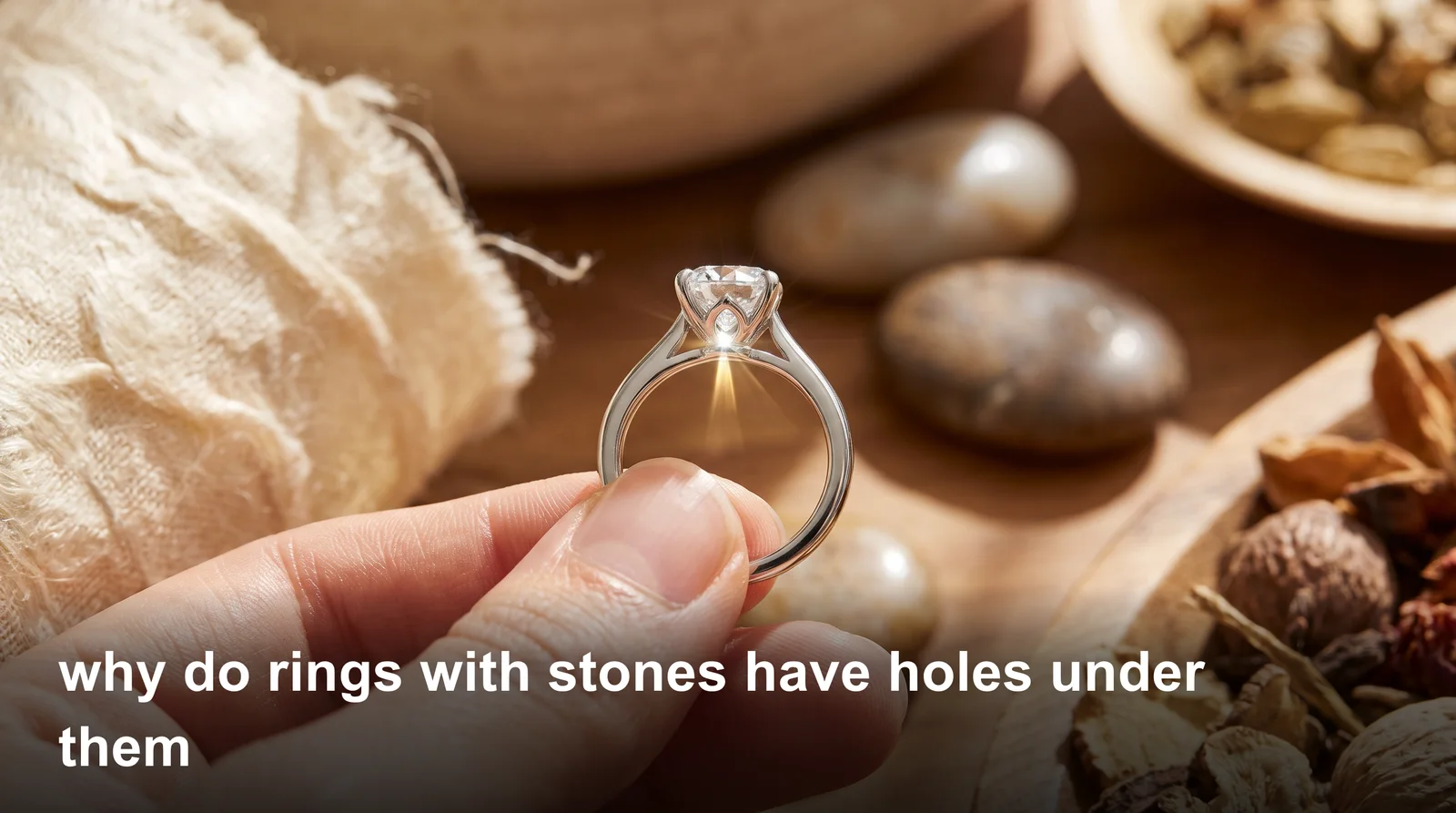
Ever flipped your ring over and spotted a tiny hole under the stone? You're not alone. It looks odd, maybe even like a flaw. But that hole has a real job, and it's actually a good sign, not a bad one.
So why do diamond rings have holes? It comes down to how the setting holds your stone and lets light hit it from below. This design is called an open back setting, and jewelers have used it for centuries.
Why Do Diamond Rings Have Holes Under the Stone
Diamond rings have holes because of how prongs grip the stone. The hole sits where the metal doesn't need to touch. It lets light pass through the diamond from underneath.
Most rings use a basket setting. Think of it like a tiny cup made of metal claws. The claws hold the edges of the stone. The middle stays open.
That open middle is the hole you see. It's not a manufacturing mistake. It's a core part of the design.
A 2023 survey by the Gemological Institute found that over 80% of engagement rings sold in the US use open back settings. That's not a small trend. It's the industry standard for good reason. Now let's talk about the myth that stones actually need air.
Do Diamonds Need to Breathe (The Truth Behind the Myth)
No, diamonds don't need to breathe. This is one of the most repeated myths in jewelry stores. Diamonds are solid crystal. They don't need air, water, or anything else to survive.
Where the Diamond Breathing Holes Idea Came From
The term diamond breathing holes gets thrown around a lot. It sounds official. It's not.
People started using that phrase because the hole looks like it's letting the stone "breathe." In reality, it's just letting light through. The phrase stuck because it's catchy, not because it's accurate.
What Actually Happens Without the Hole
Without an opening, light can't enter from below. The diamond loses sparkle. It can look dull or even glassy, almost fake.
This connects to something jewelers see often. If you've ever wondered why your diamond looks smaller after setting, a closed back setting is usually the reason. Light gets trapped and the stone loses that lively look. Let's break down exactly what these holes are called and why jewelers use them.
What Are Breathing Holes in Rings Actually Called
Jewelers call them open backs or basket settings, not breathing holes. The hole is a byproduct of the setting style, not a feature designed for airflow.
Open Back Settings
Open back settings expose the bottom of the stone. Light enters from every angle. This boosts brilliance and fire, which is why most fine jewelry uses this style.
Closed Back Settings
Closed back settings fully cover the stone's bottom. You'll see this more in vintage pieces or costume jewelry. Metal backing was sometimes used to boost color in lower quality stones.
This trick works well on cheap glass or weak gems. It hides flaws and adds fake sparkle. That's actually a big clue for spotting fakes, which we'll get into next.
Diamond Ring With No Holes Fake (How to Spot the Difference)
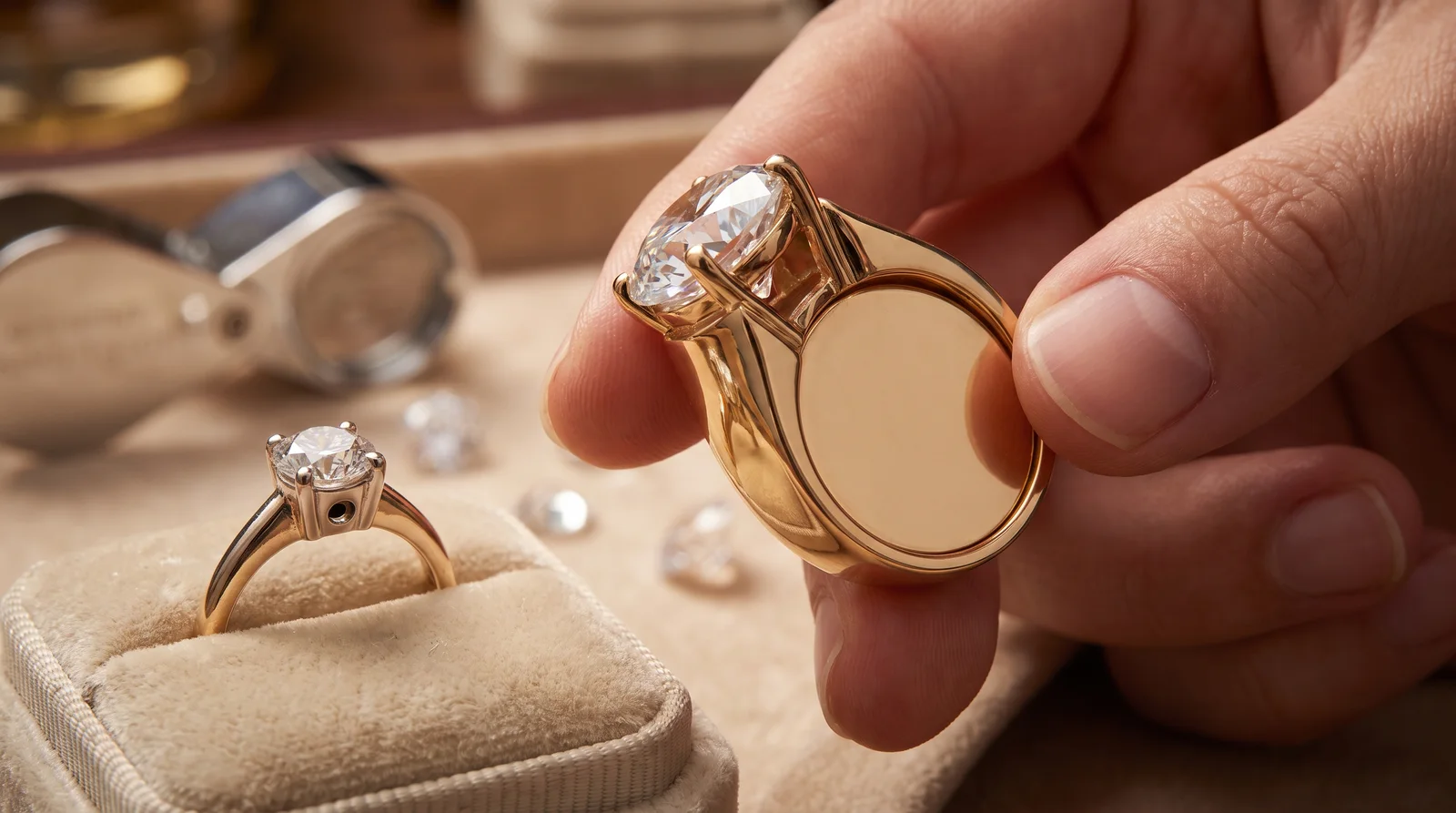
A diamond ring with no holes isn't always fake, but it should raise a flag. Cheap cubic zirconia and glass stones often sit in closed backs. The metal backing hides inclusions and boosts shine artificially.
Signs You're Looking at a Real Diamond Setting
Real diamonds usually sit in prong or basket settings with open backs. You can see straight through to your finger. Light bounces naturally without help from foil or backing tricks.
When a Closed Back Is Normal
Some real diamonds do sit in closed settings, mainly bezel styles. Older estate rings often use this look too. It's not a scam automatically, but it's worth asking your jeweler why.
If you're unsure, a jeweler can check the setting in minutes. This is also where things connect to stone security. Speaking of which, let's talk about why that hole matters for keeping your diamond in place.
Why Does My Ring Have a Hole Under the Diamond (And Is That a Problem)
If your ring has a hole under the diamond, it means your jeweler can inspect the setting easily. That's actually helpful, not harmful. Jewelers use that gap to check prong tightness and stone security.
How Jewelers Use the Hole for Inspection
A jeweler can look through the hole with a loupe. They check if the stone sits flush. They also check if prongs show wear.
This matters more than people think. Loose prongs cause most lost stone claims. If you want to catch problems early, this guide on signs your diamond is loose walks through exactly what to look for at home.
Cleaning Benefits of the Open Design
The hole also helps with cleaning. Soap and water can rinse through instead of getting trapped. Buildup under a stone can dull its sparkle over time, so this design keeps things fresher.
Now, does this open structure ever cause harm to the stone itself? Let's look at that next.
Do Holes in Rings Affect Gemstones Over Time
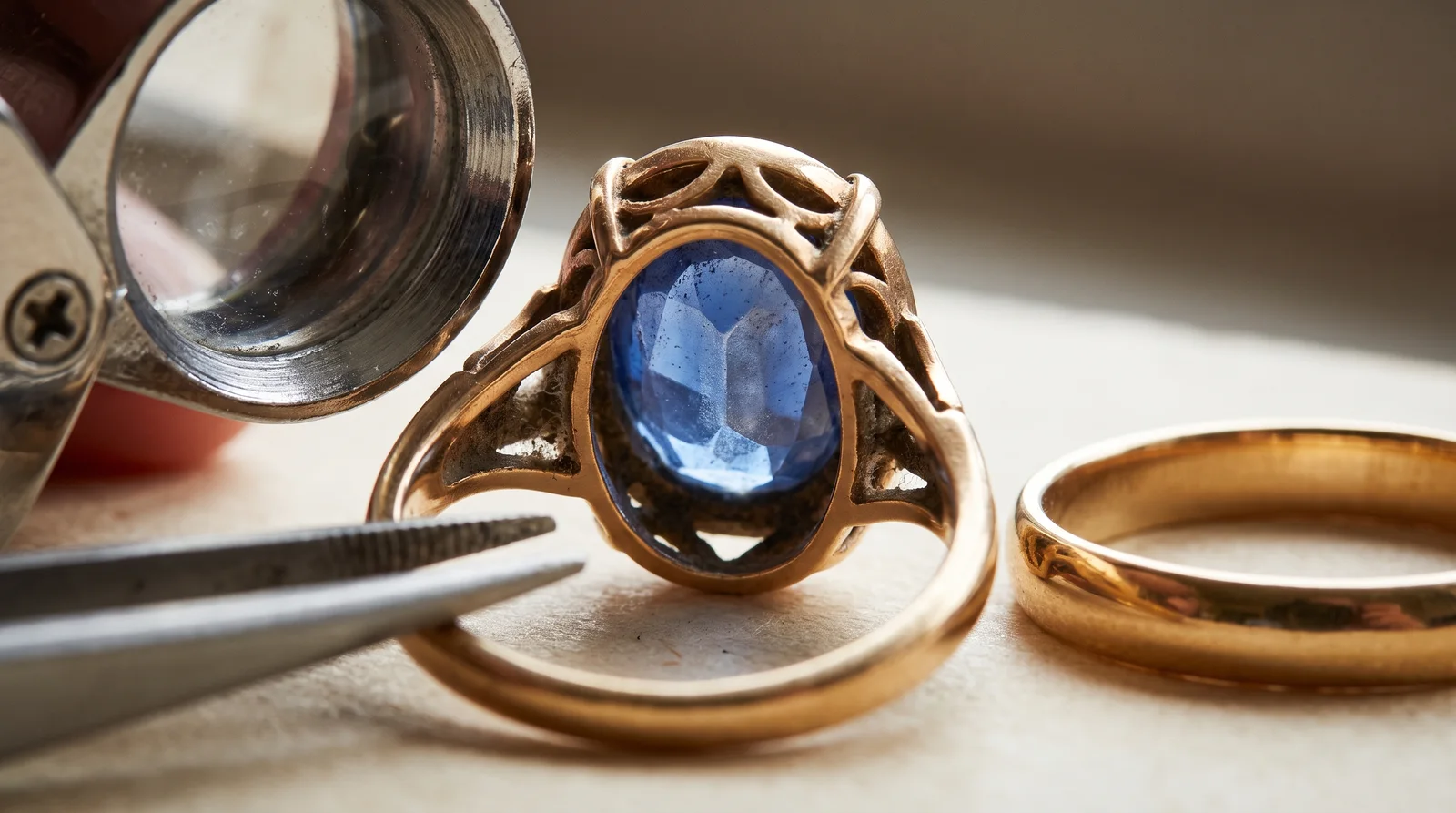
Holes in rings don't damage gemstones directly, but they can affect how secure a stone feels in daily wear. The open design means less metal support around the base. That's fine for hard stones like diamonds, sapphires, or rubies.
Softer Stones Need More Support
Softer gems like opal or emerald can chip more easily. Open settings expose more of the stone to bumps and knocks. That's why some softer stones get bezel settings instead.
How Setting Style Affects Long Term Durability
A 2022 jewelry coverage report showed chipped stones account for nearly 30% of gem damage claims. Setting choice plays a big role in that number. If you're curious how repair costs work when damage does happen, this piece on repairing a chipped diamond covers what's fixable and what's not.
Setting style also plays a role during resizing or resetting older rings. If you're resetting a family stone, small mistakes can crack or loosen it. This guide on resetting an heirloom diamond ring explains the most common error jewelers make.
What Happens If the Hole Gets Blocked or Damaged
If the hole gets blocked, light can't reach the stone properly. This can happen from dirt buildup, bent prongs, or a poor repair job. Your diamond may look duller even if nothing is technically wrong with it.
Common Causes of a Blocked Setting
Lotion, soap scum, and skin oil build up fast. Over months, this can pack into the basket. A quick soak and soft brush usually fixes it.
When Damage Affects Stone Security
Bent or worn prongs are more serious. They can lead to a loose stone, and loose stones fall out. If that happens, replacement costs add up fast, and this breakdown of the real cost to replace a lost diamond shows why quotes vary so much.
Getting your ring checked twice a year helps catch this early. Most jewelers do it for free. Now let's cover a few quick questions people ask most often.
Frequently Asked Questions About Holes Under Diamonds
Why do diamond rings have holes under the stone?
The hole lets light enter from underneath the diamond. It's part of the prong or basket setting design, not a flaw.
Do diamonds need to breathe?
No. Diamonds are solid and don't need airflow. The term "breathing hole" is just a nickname for the open setting design.
Is a diamond ring with no holes fake?
Not always, but it's a signal to look closer. Closed backs can hide lower quality stones, so ask your jeweler to confirm.
Can holes in the setting make my diamond fall out?
The hole itself doesn't cause stones to fall out. Weak or bent prongs are the real cause, and those should get checked yearly.
Does the setting style change how big my diamond looks?
Yes, it can. Certain settings can make a stone appear smaller once mounted, which is common enough that many buyers ask about it.
That gap under your diamond isn't a defect. It's a small design choice that helps your stone shine and helps jewelers keep it secure. Now that you know what it does, you'll never look at your ring the same way again. If something feels off with your setting or you just want a second opinion, bring your ring in and let a jeweler take a real look. It's a five minute check that can save you a lot of trouble down the road.