The Real Cost to Replace a Lost Diamond in a Ring (And Why Most Quotes Are Wrong)
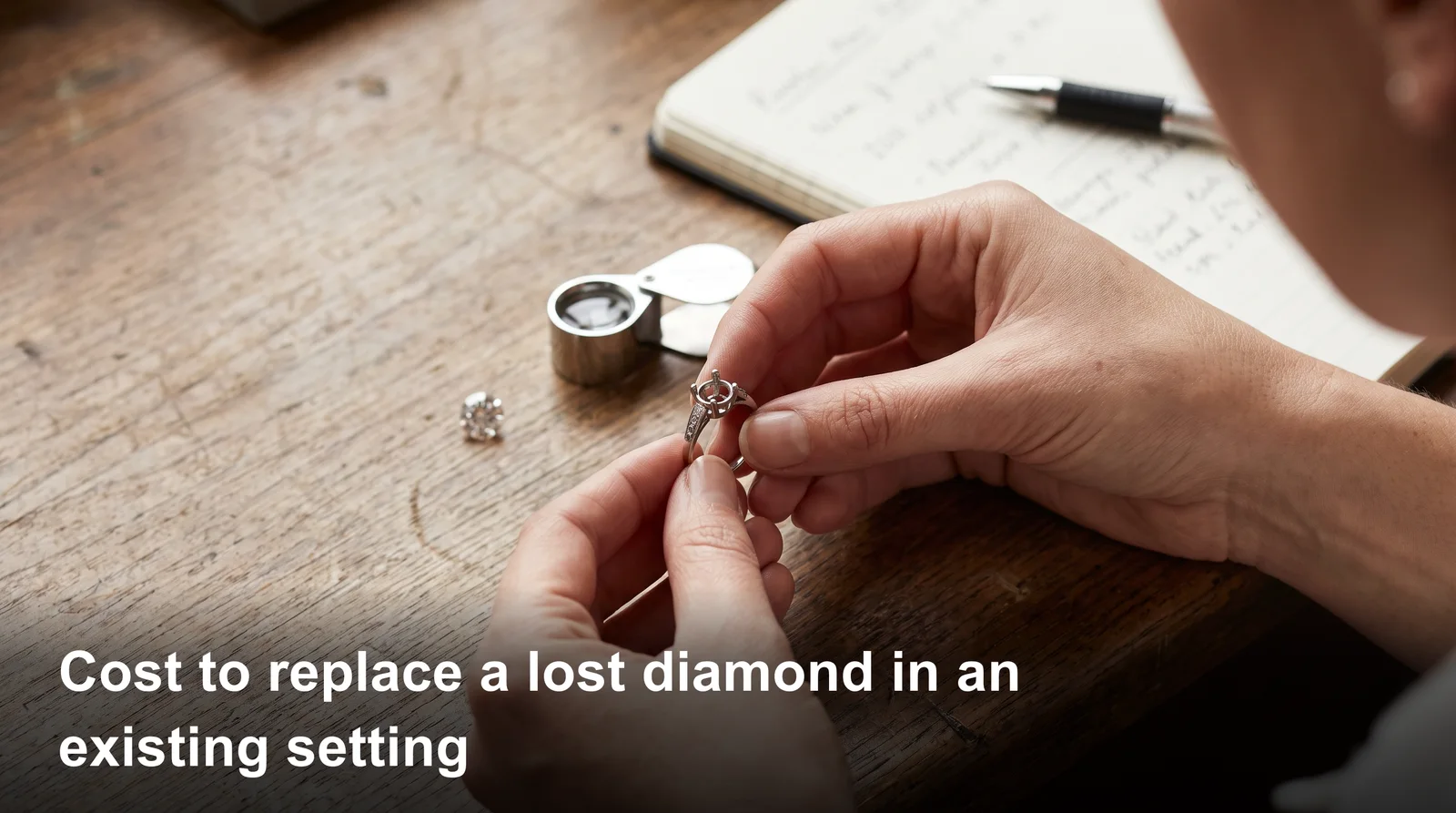
Lost your diamond? You're likely bracing for bad news. The truth is the cost to replace a lost diamond in a ring can run anywhere from $150 to over $10,000. It all comes down to size, quality, and what happened to the setting itself.
Most rings need a new stone plus a check on the prongs. That combo is what really drives your final bill. Let's break down what you'll actually pay, and why.
What Determines the Cost to Replace a Lost Diamond in a Ring
Three things set your price. The diamond's size, its quality, and the shape of your setting.
A small accent stone might cost $50 to $300 to replace. A center stone is a whole other story. I've seen center stone replacements range from $800 for a small lab grown option to over $15,000 for a large natural diamond with great clarity.
Your setting matters too. A basic round hole is easy to fill. A fancy cut like a marquise or pear needs a stone cut to match it exactly. That precision costs more.
Most jewelers also check your prongs before setting the new stone. If they're worn down, that's a separate cost we'll cover soon. Speaking of prongs, they're often the real reason your diamond went missing in the first place.
Cost to Replace Diamond in Engagement Ring Explained
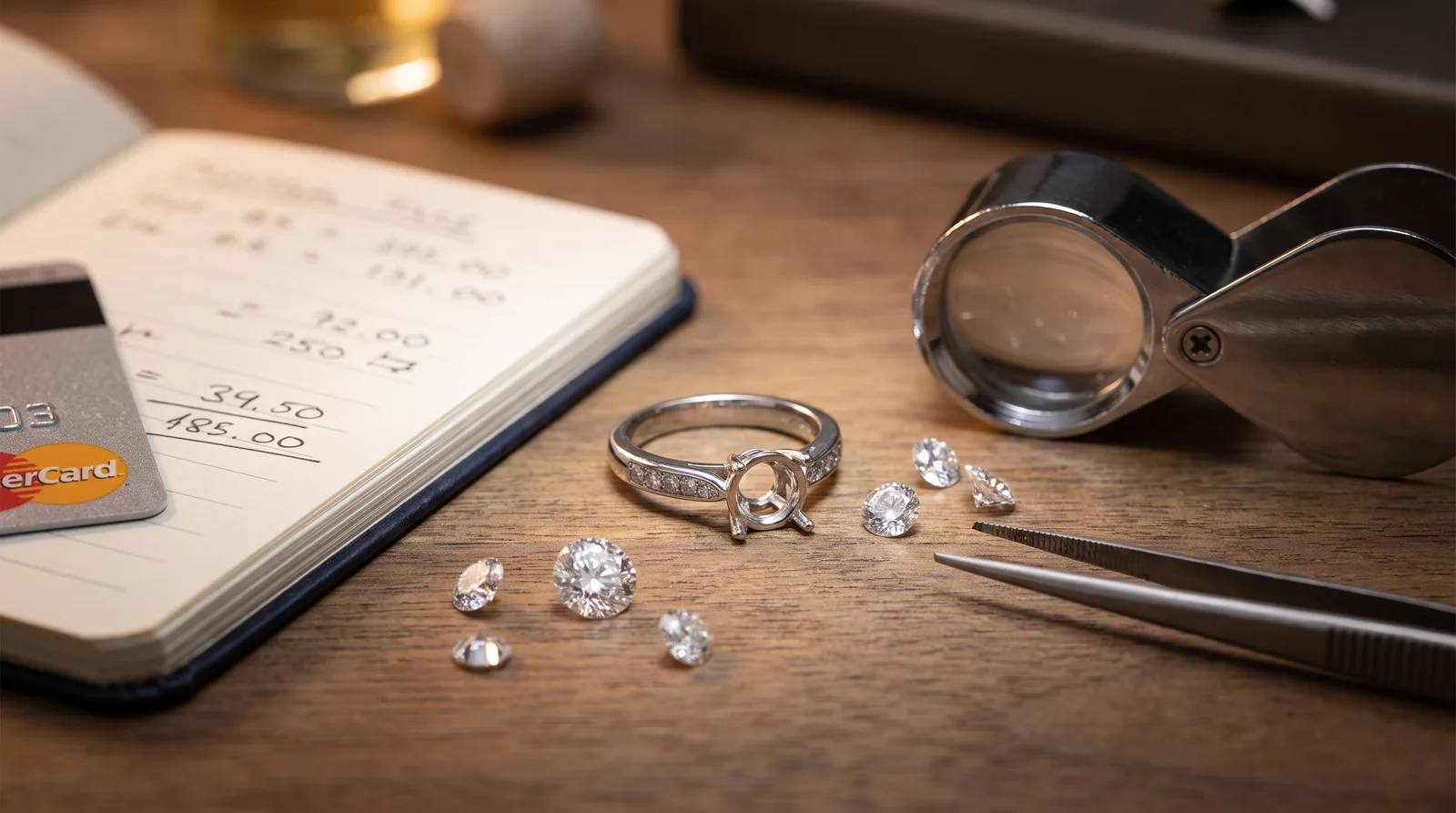
Engagement ring center stones are the priciest to replace because they're usually the biggest and best diamond on the ring. A 1 carat natural diamond with good color and clarity runs $3,000 to $7,000 alone. Add setting labor and you're looking at $3,200 to $7,500 total.
Natural Diamond Pricing
Natural diamonds price by the 4Cs. Carat weight, cut, color, and clarity all stack up fast.
A 1 carat round natural diamond with VS clarity and near colorless grade often costs $4,500 to $6,000 on its own. Go up to 2 carats and you could pay $12,000 or more.
Lab Grown Diamond Pricing
Lab grown diamonds cost 60 to 80 percent less than natural ones. A 1 carat lab grown stone with similar quality often runs $800 to $1,500.
If you're weighing your options here, this guide on lab diamond vs moissanite for a bigger center stone breaks down which choice gives you more size for your budget. Many people replacing a lost stone actually upgrade at the same time, since prices have dropped so much in recent years.
Now let's talk about the small stones that don't get much focus until one falls out.
Cost to Replace a Small Diamond in a Ring
Small accent diamonds are cheap to replace on their own, but labor can cost more than the stone. A single melee diamond, the tiny stones lining a band or halo, might cost $20 to $80 each.
Labor to set it runs $30 to $75 per stone. If you lost three or four accent stones in a pave setting, you're looking at $150 to $400 total.
Here's the catch. If your ring has a halo or pave band, jewelers often recommend replacing all the stones in that section at once. This keeps the sparkle even and avoids obvious color mismatches between old and new diamonds.
Small stone loss is also a warning sign. It usually means your setting has weak points somewhere. That brings us to a cost most people forget to budget for.
Diamond Prong Repair Cost You Should Expect
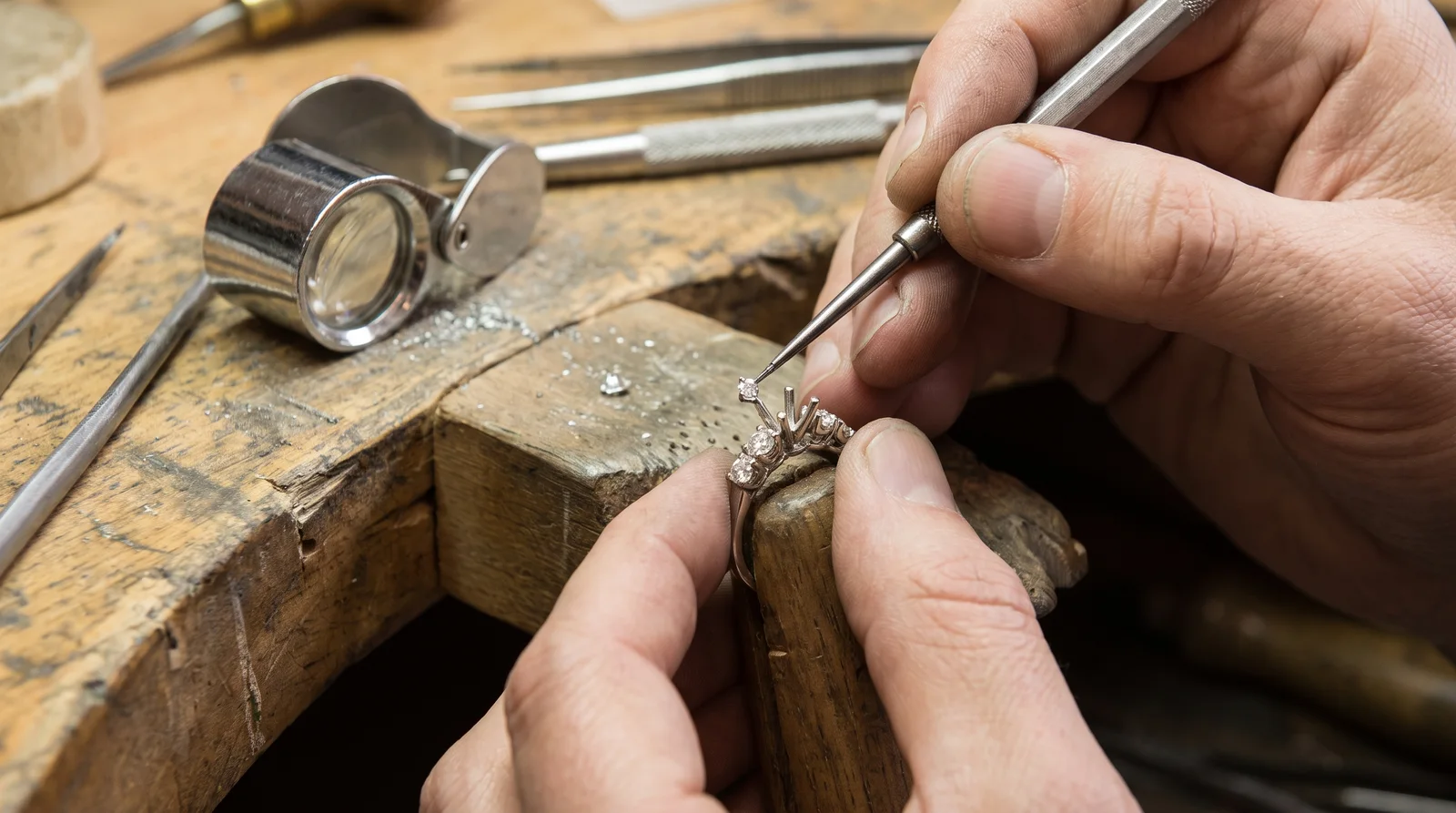
Prong repair adds $50 to $200 per prong on top of your stone replacement. Most rings need one to four prongs rebuilt or retipped when a diamond falls out.
Prongs wear down from daily knocks and years of wear. Thin, worn prongs are the number one reason diamonds go missing in the first place. If one prong failed, the others are usually close behind.
A full prong rebuild on a four prong setting might run $150 to $300. Six prong settings cost a bit more since there's more metal work involved.
Why Prongs Fail Before You Notice
Prongs thin out slowly over years. You won't feel it happening, and that's the problem.
Gold and platinum both wear down with friction from clothes, hair, and daily bumps. A jeweler can spot thinning early during a simple check.
Signs You're About to Lose Another Stone
Snagging on fabric, a stone that looks slightly crooked, or visible gaps between metal and diamond are all red flags. This detailed guide on signs your diamond is loose walks through exactly what to check at home before your next stone disappears too.
How Often Should You Get Prongs Checked
Most jewelers recommend a prong check every 6 to 12 months, mainly if you wear your ring daily. It takes five minutes and can save you thousands.
If your jeweler flags weak prongs, don't put it off. For a full breakdown of pricing, check out this guide on prong retipping cost before you commit to a repair plan.
How Much Does It Cost to Reset a Diamond After Replacement
Resetting a new diamond into your existing ring costs $50 to $150 for simple settings and up to $400 for complex ones. Round solitaire settings are the cheapest and fastest to work with.
Halo settings, bezel settings, and vintage filigree work cost more because they need precision and extra time under the microscope. A jeweler has to match the new stone's cut to your setting's exact shape and depth.
Setting an Heirloom or Vintage Piece
Older settings need extra care since the metal is often more brittle. Rushing this step risks cracking a setting that's been in your family for generations.
If your ring has sentimental history, this article on resetting an heirloom diamond ring covers the one mistake that damages irreplaceable settings. It's worth a read before you hand over a family piece for repair.
Choosing the Right Replacement Stone
Picking a new diamond isn't just about price. Cut quality affects sparkle more than size in most cases.
If you're starting from scratch on stone selection, this guide on how to choose a diamond for an engagement ring covers the basics of cut, clarity, and color in plain language. A good jeweler will also help you match the replacement stone to your original as closely as possible.
Once your new stone is picked and set, there's one more piece of this puzzle that could save you money next time.
Jewelry Coverage for Lost Diamond Claims
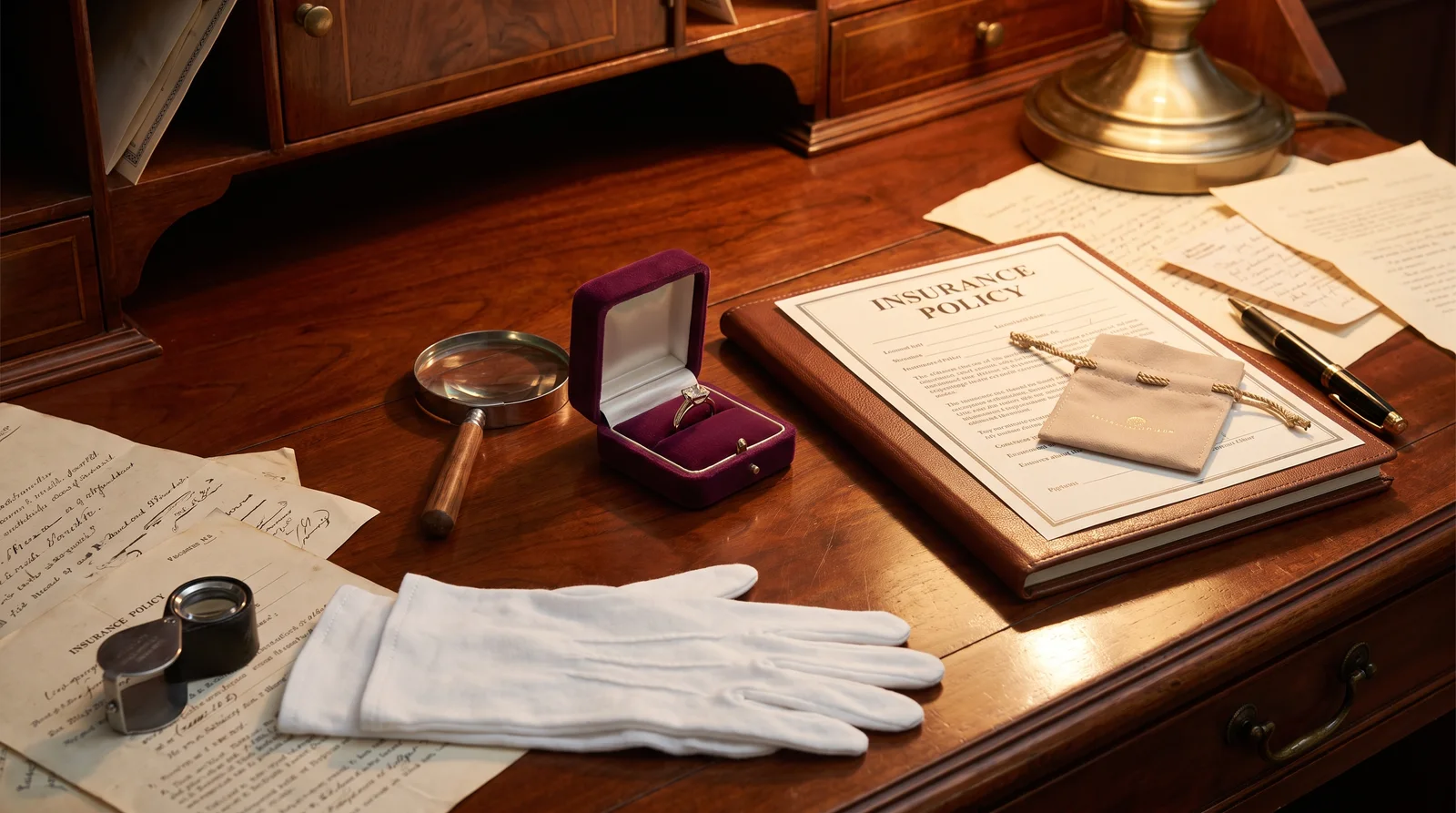
Jewelry coverage can cover most or all of your lost diamond from ring replacement cost, depending on your rule. Standard homeowners coverage often has jewelry sub limits as low as $1,000 to $2,500, which won't cover a real engagement ring loss.
A standalone jewelry rule, often called a rider or scheduled personal property rule, usually costs $50 to $150 per year for a $5,000 ring. That's a small price against a $6,000 replacement bill.
What Most Rules Actually Cover
Good rules cover loss, theft, and mysterious disappearance, meaning you don't need proof of exactly how the stone fell out. Some even cover a full replacement of the same size and quality, not just cash value.
Always get your ring appraised and insured within the first month of owning it. Waiting means you're gambling with a stone that could vanish tomorrow.
Filing a Claim the Right Way
Take photos before anything happens. Keep your original appraisal and receipt somewhere safe.
When you file a claim, most insurers pay out in two to four weeks. Some let you choose your own jeweler for the replacement instead of using their network.
Frequently Asked Questions About Diamond Replacement Costs
How much does it cost to replace a lost diamond in a ring without coverage
Without coverage, expect $150 to $500 for a small accent stone or $800 to $10,000 plus for a center stone. The final number depends heavily on carat size and whether you choose natural or lab grown.
Can a jeweler match my exact original diamond
A skilled jeweler can get close on color, cut, and clarity, but an exact match isn't always possible. Every natural diamond is unique, so slight differences are normal even with careful matching.
Does home coverage cover a lost diamond
Basic home coverage rarely covers full ring value. Most rules cap jewelry claims at $1,000 to $2,500 unless you add a separate rider.
Why did my diamond fall out in the first place
Worn or bent prongs cause most lost diamonds. Daily wear, gym sessions, and even washing dishes slowly weaken the metal holding your stone in place.
What's cheaper, replacing with a lab diamond or natural diamond
Lab grown diamonds cost 60 to 80 percent less for the same size and quality. Many people use a lost stone as a chance to switch and save.
Getting Your Ring Back to Full Sparkle
Losing a diamond feels awful, but it's fixable. Once you know your setting type, stone size, and prong case, pricing this out gets a lot less scary.
Get a full inspection before you replace anything. A good jeweler checks every prong, not just the empty one, so you're not back here again in six months.
If your ring needs a full look before you commit to a fix, reach out to a jeweler you trust and get real numbers instead of guesses. Your ring deserves a repair that actually lasts.