Learn how to tell if a watch is magnetized Before You Pay for Repairs
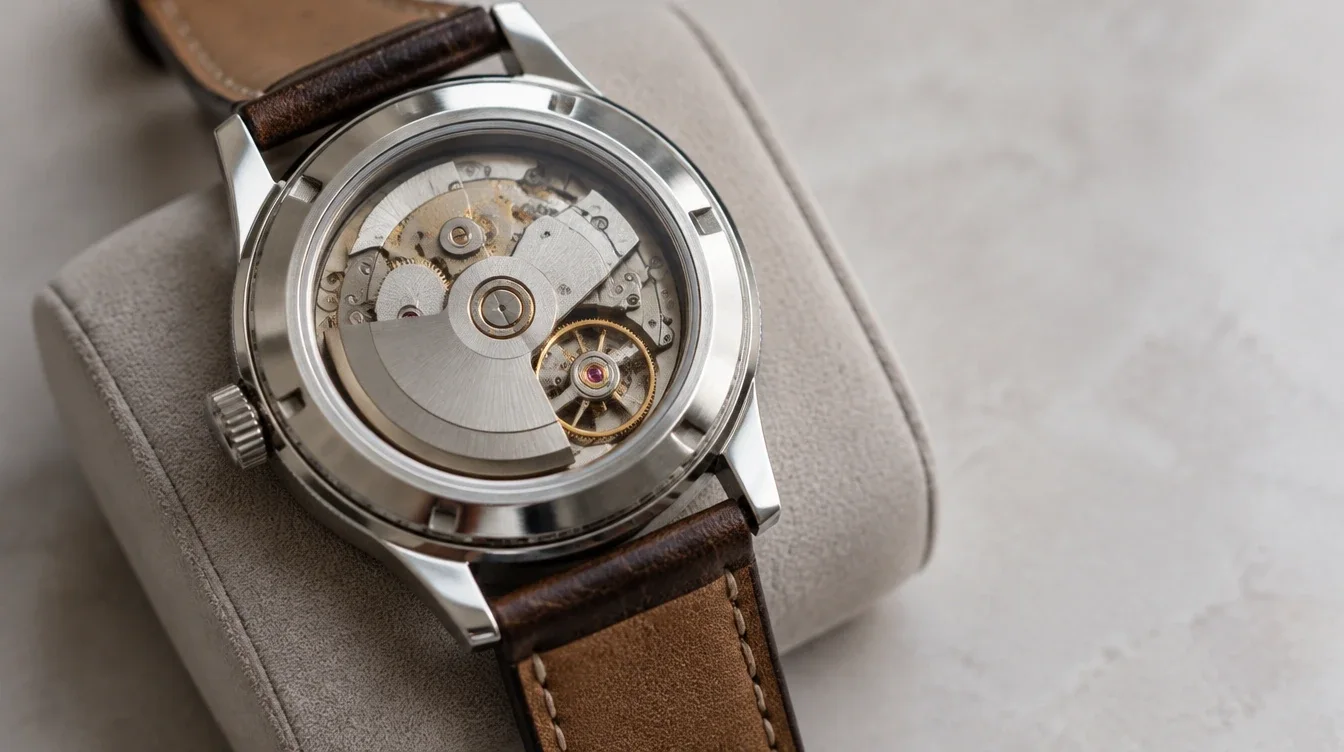
To learn how to tell if a watch is magnetized, check for a sudden timing change. Then try a compass or phone sensor for an initial check. These clues can warrant a watchmaker’s test, but do not prove the movement is magnetized. Keep a timing record before buying tools or asking for repairs.
What magnetized watch symptoms actually tell you
A sudden gain in time is a useful warning sign. It does not prove the cause. Henry Archer explains that magnetic exposure can make hairspring coils stick together. This can make a mechanical watch run fast.
The hairspring is a tiny spring that helps control the watch’s timing. Both automatic and manually wound watches deserve the same careful approach here. Focus on what changed, rather than assuming every timing fault has one cause.
Finding a mechanical watch running fast matters most when its rate changes sharply. A watch that suddenly races ahead needs a check. A steady gain that is normal for that watch tells a different story.
Compare the watch with its own baseline
Write down its usual daily gain or loss, if known. Note when the change began and any recent knocks. Include any change in where you stored it. Share these details with the watchmaker without assuming a cause.
Do not treat online lists of magnetized watch symptoms as proof. Use them to choose what to check, then measure the timing change.
Measure the gain before reaching for a compass
A timing record shows how much the watch’s rate has changed. Compare those readings with its rate after treatment.
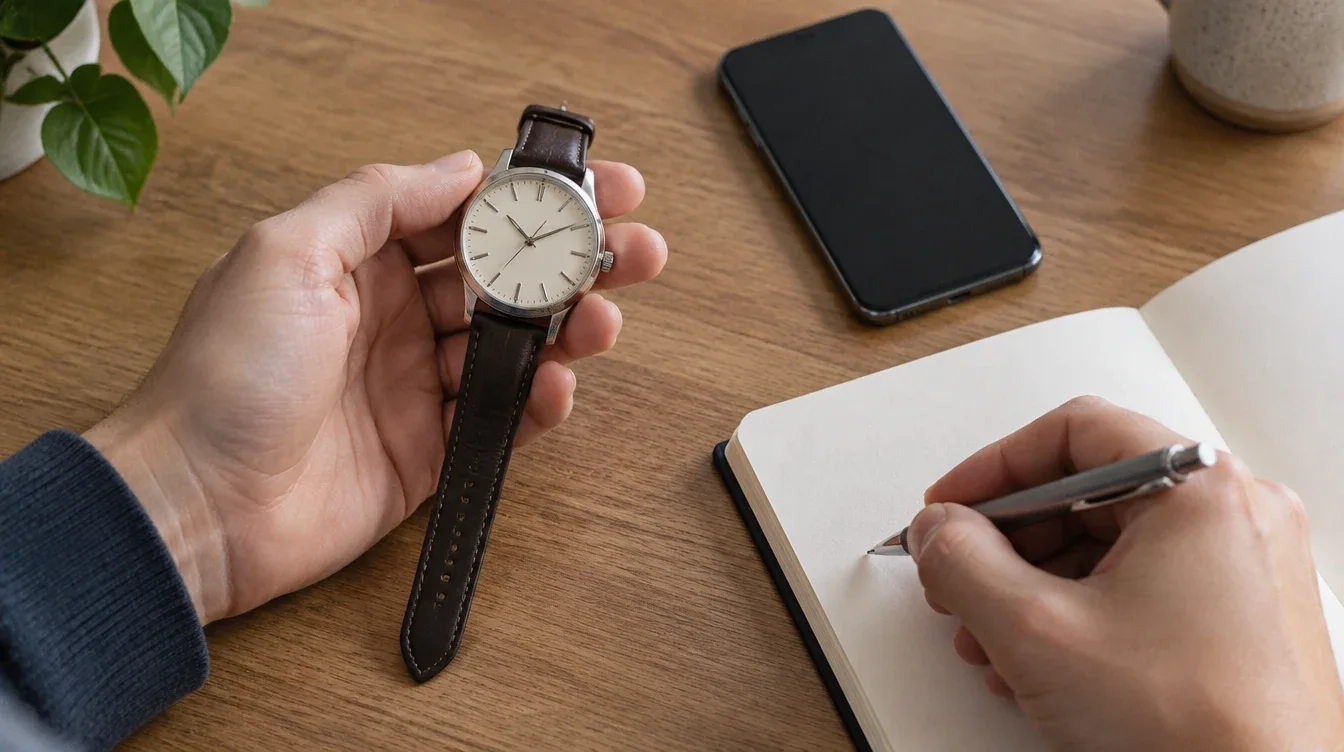
Check your watch against one time source you trust. Note how far ahead or behind it is. Check again after 24 hours without resetting the watch. Note whether you wore it or left it resting.
A worked example of daily gain
For example, suppose the watch starts 10 seconds ahead of your time source. Exactly 24 hours later, it is 85 seconds ahead. Subtract 10 from 85. The watch gained 75 seconds over that day.
Those numbers are an example, not a cutoff that proves magnetization. They show how the watch keeps time, not why. Keep the record even if you book a test straight away.
When assessing a mechanical watch running fast, avoid comparing readings taken over different periods without accounting for elapsed time. A gain over six hours is not directly comparable with a full day.
Once you know the rate, try a simple magnetic check.
Learn how to tell if a watch is magnetized with home checks
Home magnetic checks can point to a need for more testing. They cannot prove the cause on their own. Henry Archer describes both compass and phone checks in its watch magnetism advice. Treat their results as clues rather than a repair verdict.
Try a magnetized watch compass test
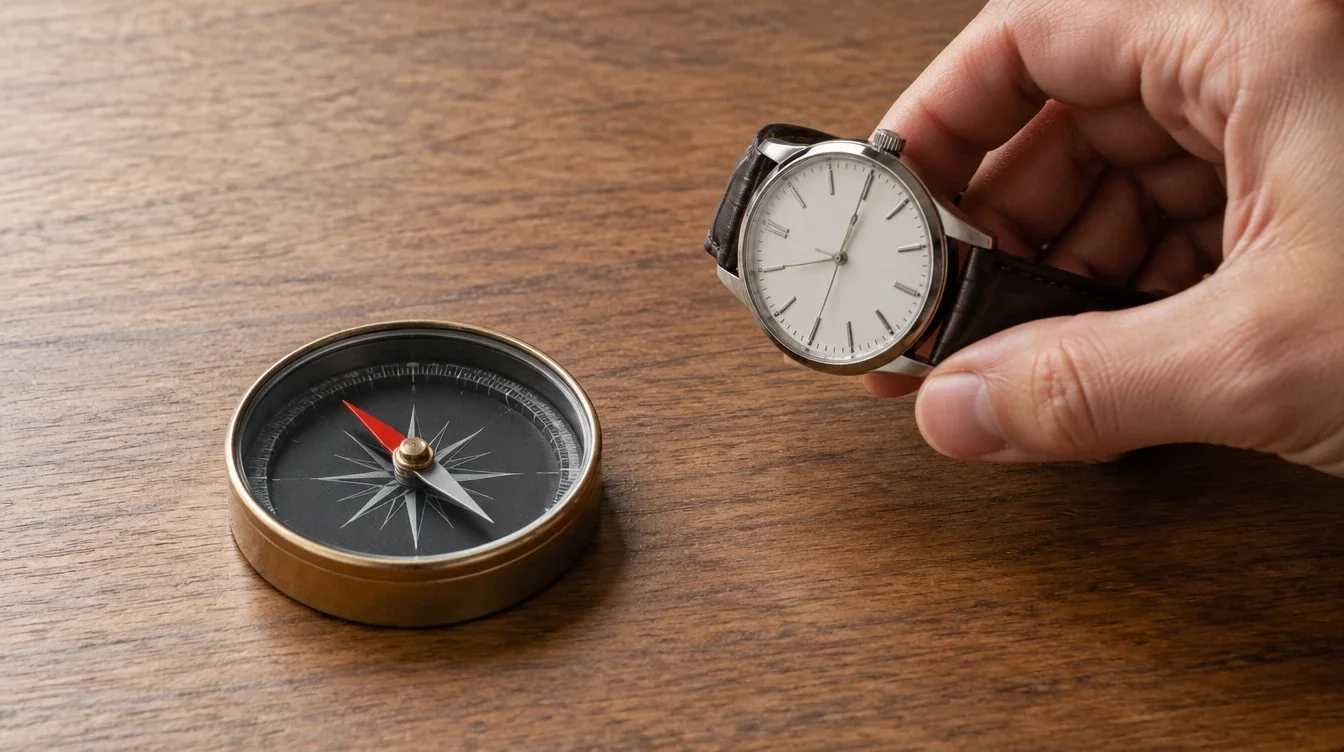
Place a compass on a clear surface, away from obvious magnetic sources. Let its needle settle. Slowly bring the watch nearby. Watch for a change in the needle’s direction.
Repeat the observation
Move the watch away and let the needle settle again. Repeat the approach from the same direction. Record whether the response is consistent rather than relying on one twitch.
A magnetized watch compass test does not show which part caused the response. A moving needle does not prove that the hairspring needs treatment.
Check with a watch magnetism app
A watch magnetism app offers another screening method if your phone supports it. Henry Archer names LEPSI and Physics Toolbox Magnetometer as examples. Check current compatibility rather than assuming either works on every phone.
Keep the setup consistent
Follow the app’s instructions for sensor location and testing distance. Compare readings with the watch absent and present. Keep other objects still, and repeat the comparison.
The advice cited here gives no single reading that proves magnetization in all watches. When learning how to test a watch for magnetism, stop if the numbers are unclear. Take your results to a watchmaker instead.
When a watchmaker’s test makes more sense
A professional check is the better next step if timing stays poor. The same applies if home tests disagree.
Ask for magnetism and timing checks before agreeing to more work. Bring your daily record and any compass or app results. Clear notes help more than saying the watch “seems wrong.”
Choose by the question you need answered
A compass suits someone who wants a simple check without software. An app suits someone at ease with sensor instructions. Neither gives a final answer if the watch still keeps poor time.
A watchmaker is the better choice when you need advice on what to do. Ask what the test showed. Check whether the rate changed after treatment. If not, ask what should happen next and why.
Once tests suggest the watch is magnetized, ask how to treat it.
What to know before demagnetizing your watch
Demagnetizing treats one type of fault. It does not fix every cause of poor timekeeping. Henry Archer describes home demagnetizers and watchmaker treatment as ways to treat a magnetized watch.
When learning how to demagnetize a watch, read the instructions for your exact device first. Do not assume a short video shows the right method for every tool.
If the instructions are missing or unclear, ask a professional for help. Guessing leaves you unsure whether the treatment worked.

Compare the rate afterward
Repeat your timing check with the same reference and test length. Wear and rest the watch in much the same way, where possible.
A return toward the old rate suggests the treatment helped. If timing stays poor, have the watch checked again. Do not keep repeating the treatment. Knowing how to demagnetize a watch includes knowing when to stop.
Keep both sets of readings for any follow up visit. Before deciding what to do next, clear up these common questions.
Common questions about watch magnetism
Watch magnetism questions often hinge on what is a clue and what is proof.
Can a magnetized watch still run?
Yes, a magnetized mechanical watch can keep running while gaining time, as Henry Archer’s explanation above describes. Continued ticking does not rule out a timing problem.
Does a fast watch always need demagnetizing?
No, running fast alone does not establish magnetization. Record the rate and request testing rather than choosing treatment from that symptom alone.
How can I reduce magnetic exposure?
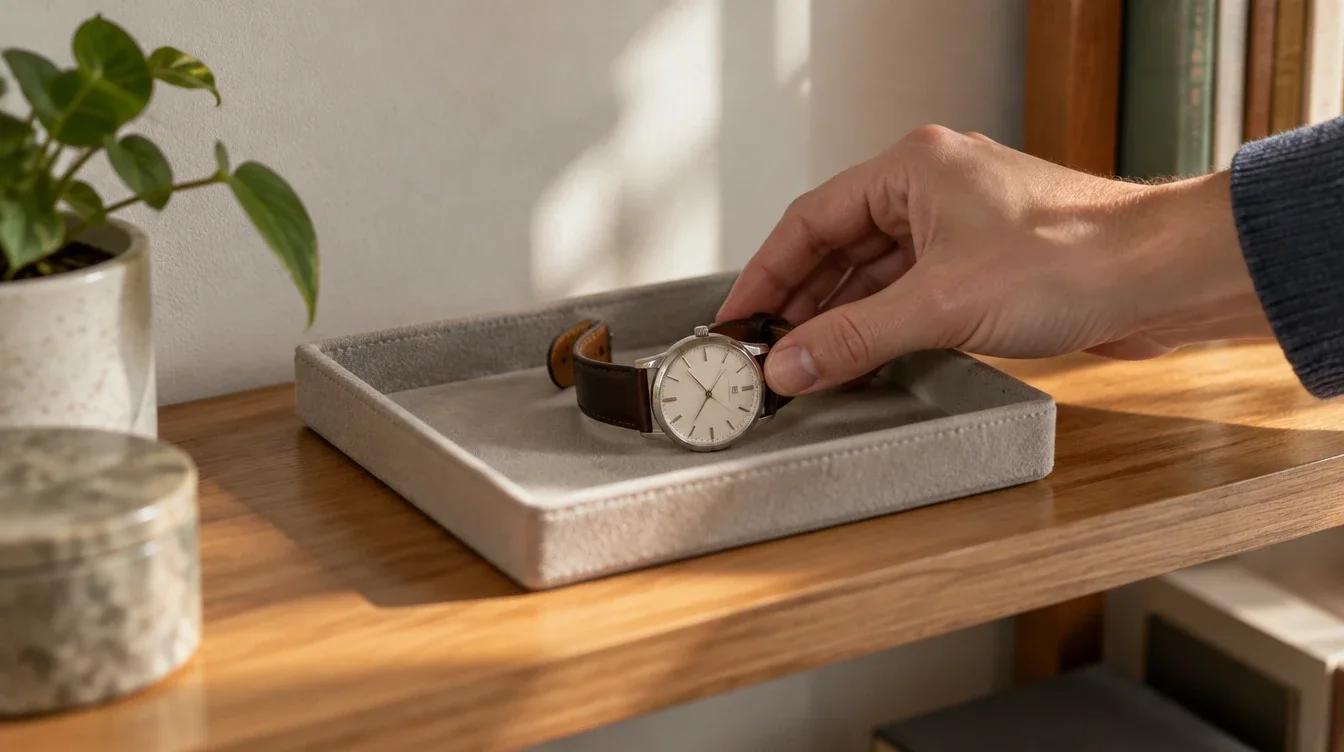
Henry Archer advises keeping watches away from speakers, phones and wireless chargers during storage. Give your watch a separate resting place rather than leaving it against those objects.
What if the compass and app disagree?
Neither result proves the cause. Do not keep testing until a result matches your guess. Take the conflicting results and timing record to a watchmaker for a check.
Those limits make the next step straightforward.
Check first, then choose the fix
A timing record and careful checks are the best starting points. Learning how to test a watch for magnetism should help you choose what to do. Do not expect a phone reading to give you proof.
Start your timing log today. If the rate has changed sharply, book a magnetism check. Ask how the rate compares before and after any treatment. Use those results to decide what repair step comes next.