Why the best platinum alloy for wedding rings is not always the purest
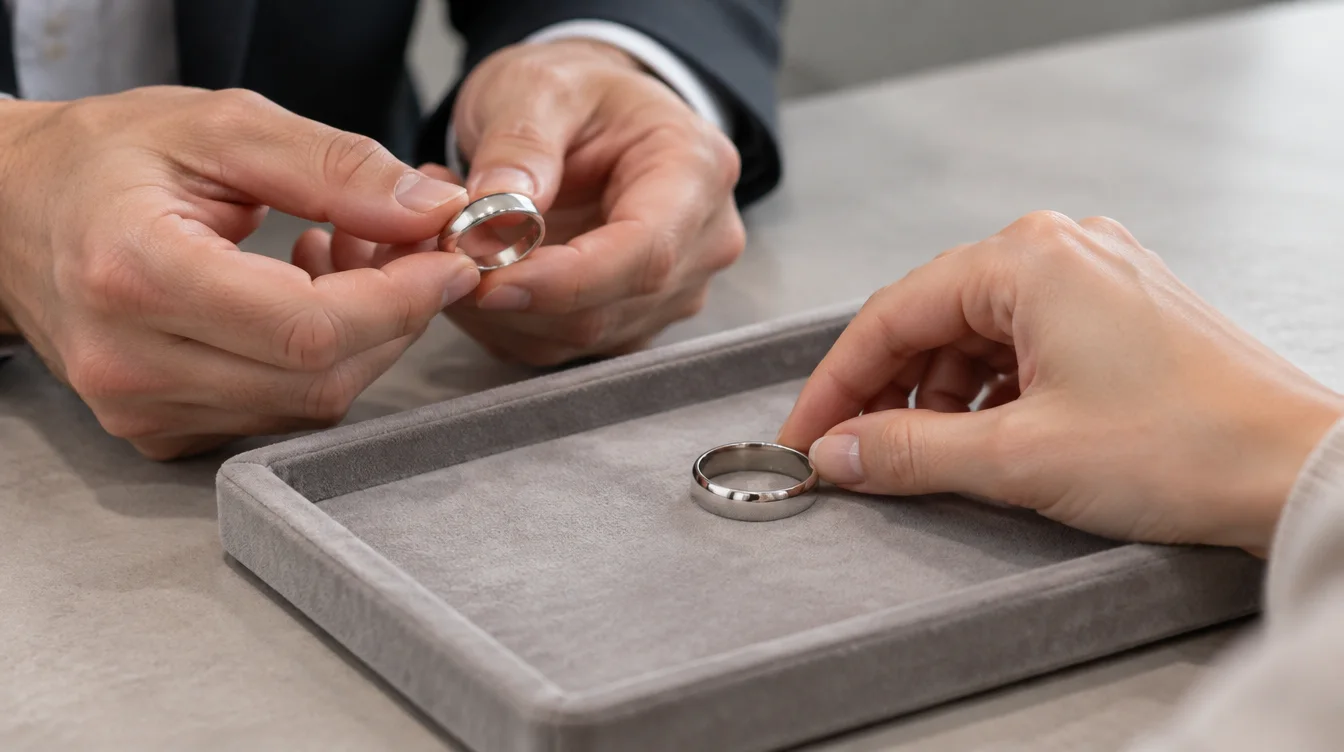
For most daily bands, 950 platinum with ruthenium is a sound starting point. The best platinum alloy for wedding rings also depends on shape and how the ring was made. A well made iridium band may serve you better than a thin, poorly made ruthenium band. Ask about the full alloy and the maker’s process, not just the stamp.
What makes the best platinum alloy for wedding rings?
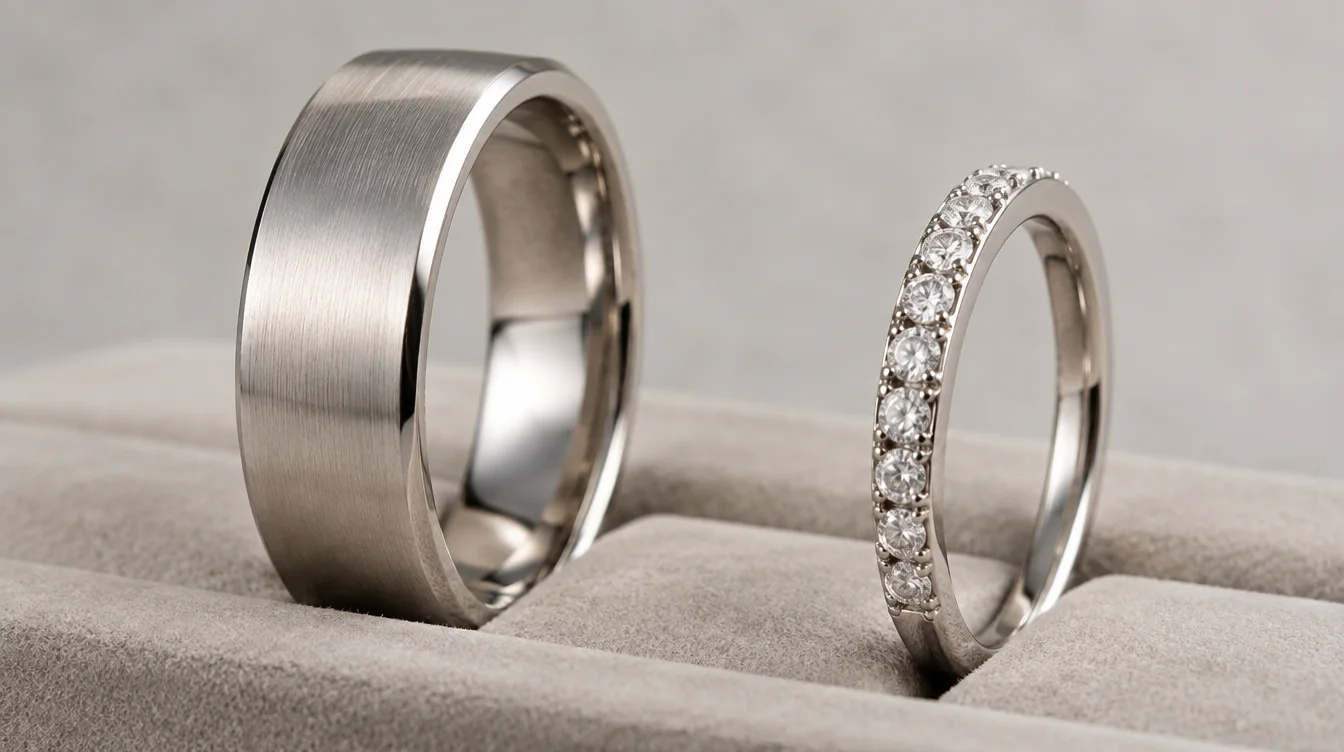
The best choice is the alloy that suits the design, the making method, and your plans for future repairs. Platinum purity alone cannot tell you how readily a ring will dent or lose its shape.
Start with the band. A wide, plain ring has more metal than a narrow ring with stones. Each design puts different demands on the alloy. Ask if the ring was cast, made from worked metal, or made using both methods. Jewellery Business, drawing on Platinum Guild International guidance, says both the alloy and how the ring is made affect durability.
Two bands marked 950 can wear differently. One may contain ruthenium; the other may contain iridium. The stamp leaves out that detail.
What the purity stamp tells you and what it does not
A 950 mark tells you the ring contains 950 parts platinum per 1,000 parts of alloy, or 95 percent platinum. It does not identify the other 5 percent. If you have asked, “what does 950 mean on a ring,” that missing detail is the reason the answer cannot end at purity.
950 platinum vs 900 platinum
In this comparison, 950 platinum vs 900 platinum means 95 percent versus 90 percent platinum. The remaining share matters too. A 900 platinum ring with 10 percent iridium is not the same material as a 950 ring with 5 percent iridium, let alone one with ruthenium.
In the United States, rings with at least 85 percent but less than 95 percent platinum need a mark showing their platinum content. One example is 900Pt. These are the marking rules described by Jewellery Business. Rules differ in other places. Ask the seller to confirm the full alloy in writing.
Once you know what the numbers mean, you can compare how the alloys behave.
How ruthenium and iridium change everyday wear
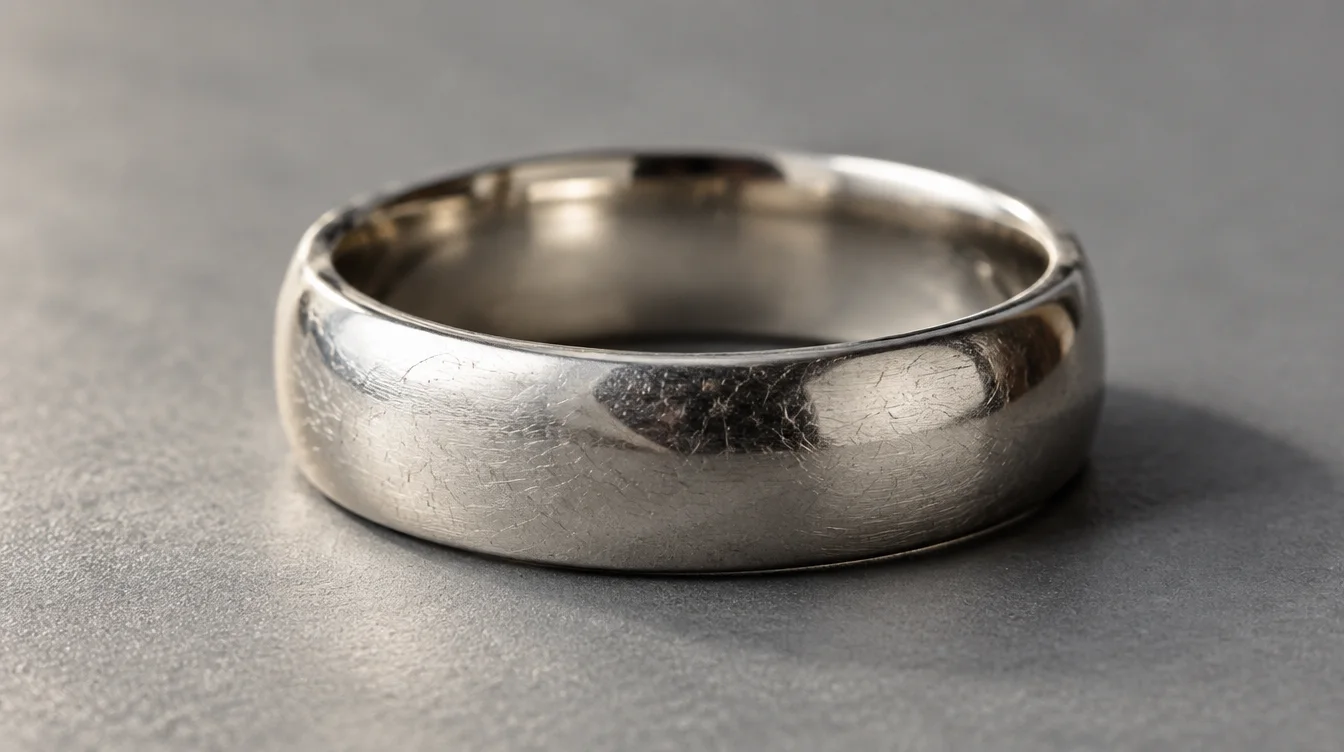
At the same 950 purity, ruthenium generally makes platinum harder than iridium does. Hardness helps resist marks and dents. It cannot make a ring scratch free.
Platinum ruthenium alloy for a daily band
A 950 platinum ruthenium alloy is a sound choice for daily wear. It may suit a ring that must stand up to knocks. Jewellery Business reports that 950 platinum with 5 percent ruthenium has a hardness of about 130 on the Vickers scale. The reported figure rises if the metal is cold hammered or die struck. That higher figure does not apply to every ring with the same stamp.
Ruthenium also asks more of the maker. MGS Refining says 950 platinum with ruthenium is harder to work than the iridium version. The right alloy cannot make up for poor casting or finishing.
Platinum iridium alloy for worked designs
A platinum iridium alloy can suit a ring the jeweler will shape and work. It is less suited to a ring cast and left soft. At 950 purity, its reported starting hardness is about 80 Vickers. For 900 platinum with 10 percent iridium, it is about 110 Vickers, according to Jewellery Business. The same source warns against casting 950 platinum with iridium for sturdy jewelry. It says the alloy is too soft for that use.
That does not make every iridium ring fragile. Worked metal, ring thickness, and design affect the result. Ask how the band was made before you judge either alloy.
Why the making method can outweigh the stamp
How a maker forms a platinum band can affect how well it resists bending. A cast band and a worked band are not the same just because their stamps match.
Ask about the ring you will actually receive
Picture two possible rings: a thin cast 950 iridium band and a thick, worked 900 iridium band. The second has less platinum by percentage. Yet its higher reported alloy hardness and thicker design make it worth a closer look for daily wear. This example helps frame the choice. It does not predict which finished ring will last longer.
Ask if the stated alloy covers the whole band, including its setting. Find out if the maker casts the shank, forms it from stock, or works it after casting. If the ring has stones, ask how much metal supports them. Ask how often the jeweler suggests an inspection. If you are still choosing a setting, our guide to wedding ring styles helps you compare those designs.
Those answers also matter when the ring needs care years from now.
What refinishing and resizing mean for your choice
Both alloys can be serviced, but the work required depends on the ring’s design and condition. A harder surface may keep its finish longer under similar wear. It will not stay glossy through every scrape, and refinishing still requires a jeweler to assess the band.
Before a resize, ask if a jeweler should use matching alloy. Check whether stones or design details limit the size change. A plain band usually gives the jeweler more room to work than a band with stones all around it. Our guide to daily wear with an eternity band covers that separate design decision.
Before buying, get the alloy and service terms in writing. A few short questions can clear up the remaining doubts.
Common questions about platinum ring alloys
The most useful answers name both the alloy and its limits.
Do platinum rings scratch?
If you ask, “do platinum rings scratch,” the answer is yes. A harder alloy may resist some marks better, but daily contact can still change its finish.
What does 950 mean on a ring?
It means platinum makes up 95 percent of the alloy by weight. Ask which metal makes up the rest. A 950 ruthenium ring and a 950 iridium ring are not the same choice.
Can a 900 platinum ring be a good wedding band?
Yes. A 900 ring with 10 percent iridium may suit a sound, thick design. Its lower platinum content alone does not prove it will wear better than a 950 ruthenium ring.
Those answers help you choose between the finished rings.
Choose the ring, not just the alloy name
For a plain daily band, ask to see a well made 950 ruthenium ring. If you prefer iridium, ask about the ring’s thickness and how it was made. Compare the finished rings. Then confirm the alloy and repair plan before you order. Those details tell you more than the purity stamp alone.