Why February amethyst jewelry Can Look Too Dark Before You Buy It
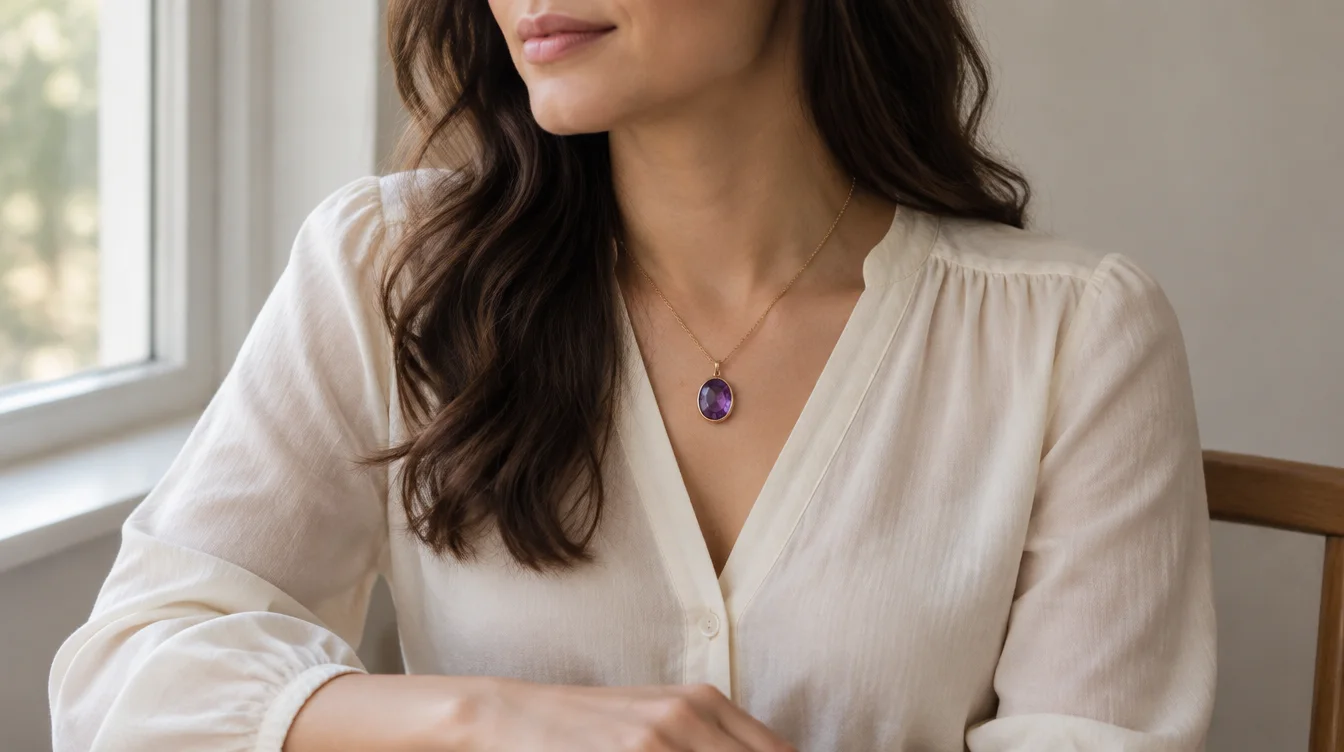
Choose February amethyst jewelry by checking its color in the light where it will be worn. Then match the setting to the wearer’s habits. A dark stone may look rich under a shop lamp but nearly black indoors. For frequent wear, consider protection and care as well as color.
What makes amethyst the February birthstone?
Amethyst is purple quartz and the traditional February birthstone. It ranges from pale lilac to deep purple. Two pieces can look quite different while holding the same gem. Amethyst can be mined or made in a lab. If origin matters, ask the seller which one the piece contains. The Gemological Institute of America’s amethyst guide confirms those distinctions.
A February birthday gives the gem a personal link. The wearer, though, will notice its color each day. Someone who likes soft colors may wear lavender studs more often than a dark purple ring. Someone else may prefer that depth. Look at what they already wear. Do not assume the deepest shade makes the best gift.
Once you know their taste, check how the purple looks outside a product photo.
Which February birthstone color should you choose?
The February birthstone color is purple, but its shade changes the look of a piece. Pale lavender feels light and subtle. Medium violet is easier to spot across a room. Deep purple can be striking. In dim light, though, a very dark stone may lose detail.
Judge color in the light that matters
Ask to see the stone in daylight and normal indoor light. Shopping online? Request photos or a short video in both, with the gem shown face up. Bright shop lights can make a dark amethyst glow. Your kitchen or office lights may not. Check whether you can still see purple at the stone’s center.
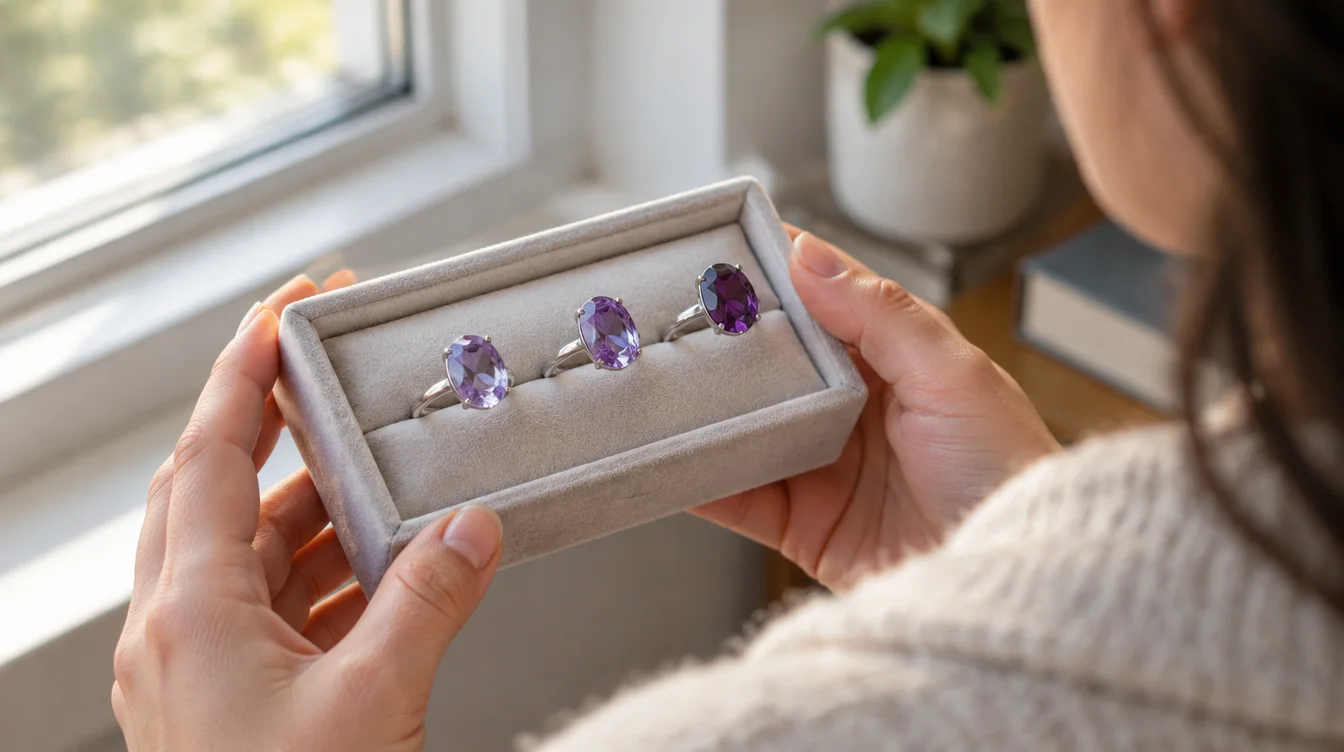
Look for color you enjoy across the whole face of the stone. Perfect uniformity is not a requirement for a gift, but an obvious pale patch may stand out once noticed. GIA notes that heat treatment can lighten very dark amethyst; it cannot turn pale material darker. That is one reason to judge the stone you are buying rather than a label for its shade.
Let the setting support the shade
Metal changes the overall look, but not the gem’s color. Yellow gold gives purple a warm frame. White metal makes the same shade feel cooler. A small stone may show clear purple in an open setting. Give a large, dark stone an extra look indoors. Compare finished pieces when you can, not just loose stones.
Color gets you close to a choice. Meaning helps explain why that choice may feel personal.
What does amethyst meaning add to a gift?
Traditional amethyst meaning centers on clear thinking and restraint. It does not describe a proven health effect. The gem’s name comes from a Greek word linked to avoiding drunkenness. People once believed it helped wearers stay clear headed, according to GIA’s account of amethyst history. That belief is not evidence that the stone changes judgment or treats a condition.
Today, you might give amethyst to mark a fresh start or celebrate someone’s steady nature. You can share that thought without promising the gem will bring calm. A simple note works better than a grand claim: “I chose this purple because it reminds me of how calmly you handle hard days.” The meaning then belongs to your relationship, not to a supposed power inside the stone.
GIA also identifies amethyst as the traditional gem for a sixth wedding anniversary. For a February birthday, though, the most useful question is still whether the person will enjoy wearing it. That brings the choice back to jewelry format.
Which February amethyst jewelry format suits the wearer?
Choose a February amethyst jewelry format based on where the piece sits and how often it meets hard surfaces. Earrings and pendants usually take fewer knocks than rings. A ring lets the wearer see more purple during the day. Its setting and their daily habits need closer thought.
Earrings and pendants for easy wear
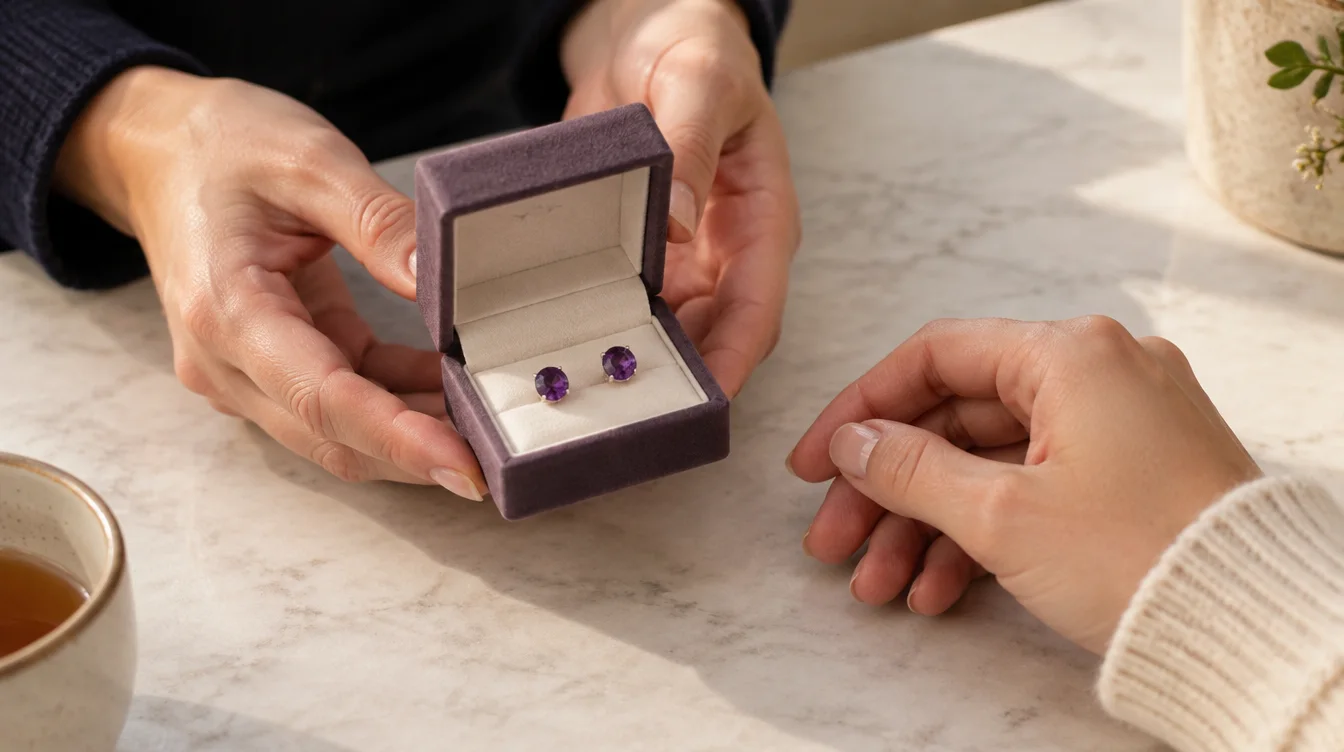
Studs suit someone who likes a small touch of color with work clothes. Drop earrings show more movement and can make a pale stone easier to notice. A pendant keeps the gem in view without putting it on a busy hand. Check the earring size and necklace length against pieces the recipient already chooses; a lovely gem cannot help if the design stays in a box.
A bezel, which wraps metal around the gem’s edge, can give a pendant a clean outline. Prongs leave more of the stone exposed. Neither style wins for everyone. Think about the look the wearer likes and whether clothing or hair tends to catch on raised details.
Amethyst rings for hands that do less knocking
Amethyst rings suit people who like seeing their gift as they wear it. They are less forgiving for people who use tools, lift weights or knock their hands against desks. Amethyst ranks 7 on the Mohs hardness scale. GIA warns that rings may show wear over time. Hardness measures scratch resistance. It does not promise protection from every chip or blow.
Choose a setting that fits real life
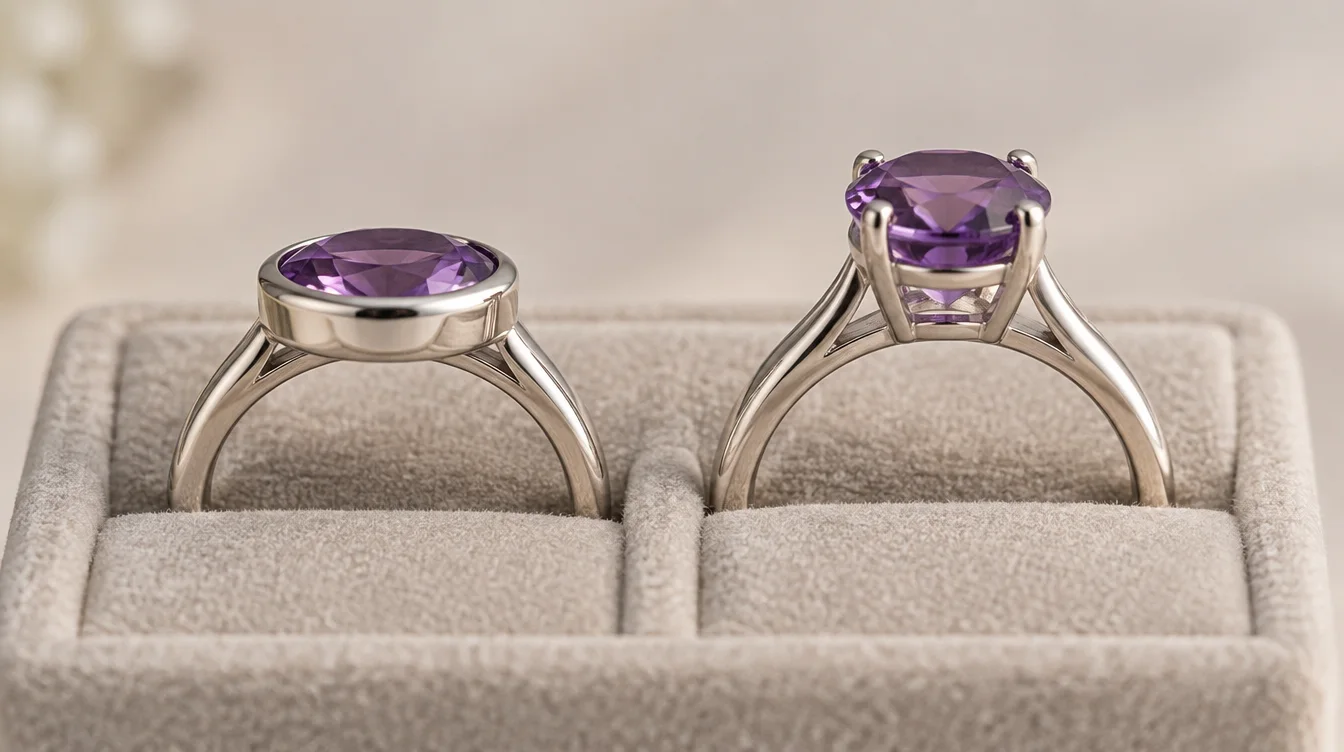
For frequent wear, consider a low setting with a rim that helps shield the stone’s edge. A taller setting may suit occasional wear, when it is less likely to hit a door frame. Ask a jeweler to check that the stone is secure and the ring feels comfortable. Good design cannot make amethyst damage proof. It can make daily wear more practical.
Before you settle on any format, ask what you are actually buying.
What should you ask before buying February amethyst jewelry?
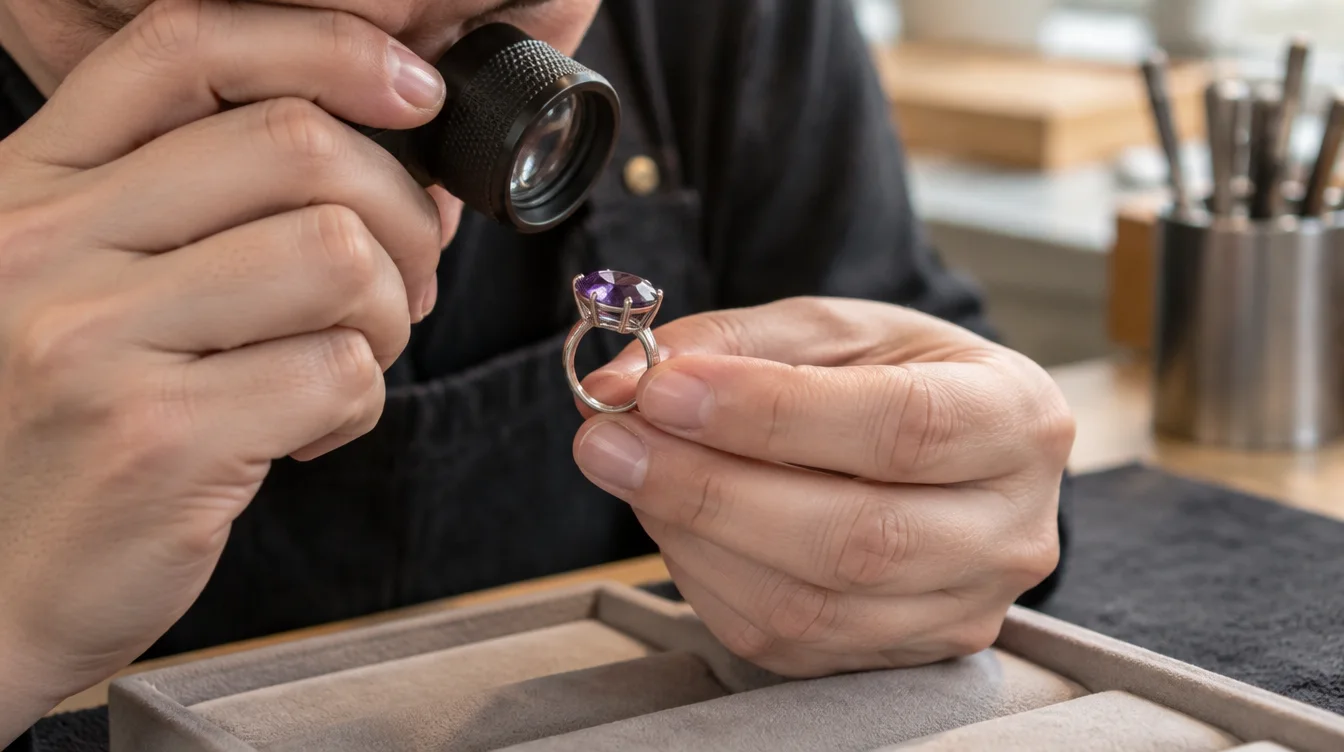
Before buying February amethyst jewelry, confirm what the stone is. Ask about its origin and any disclosed treatment. Natural and lab made amethyst are both amethyst, but they are different purchases. The listing should say which it offers. If you see a grade such as “AAA,” ask what that seller means. Do not treat the letters as a shared standard.
Heat treatment is a common way to improve natural amethyst’s appearance, according to GIA. It can lighten very dark material or reduce unwanted brownish areas. Ask whether the seller knows of any treatment and get the answer in writing when it matters to your decision. An unanswered question is not proof that the gem is untreated.
Check the setting too. Are prongs even and smooth? Does the gem move when the jeweler examines it? Is the metal described clearly? Compare the return terms with the time you have to give the gift. These plain details often matter more than an impressive description of “royal” color.
After buying, a few small habits will help the piece keep the look you chose.
How should you wear and clean amethyst?
Amethyst can be worn often, but care should match the piece. A dinner pendant faces different risks from a ring worn while moving furniture. GIA says amethyst suits daily jewelry use. It also notes that the gem may scratch and need repolishing over time. Remove rings for work that could strike the stone. Store amethyst away from harder gems.
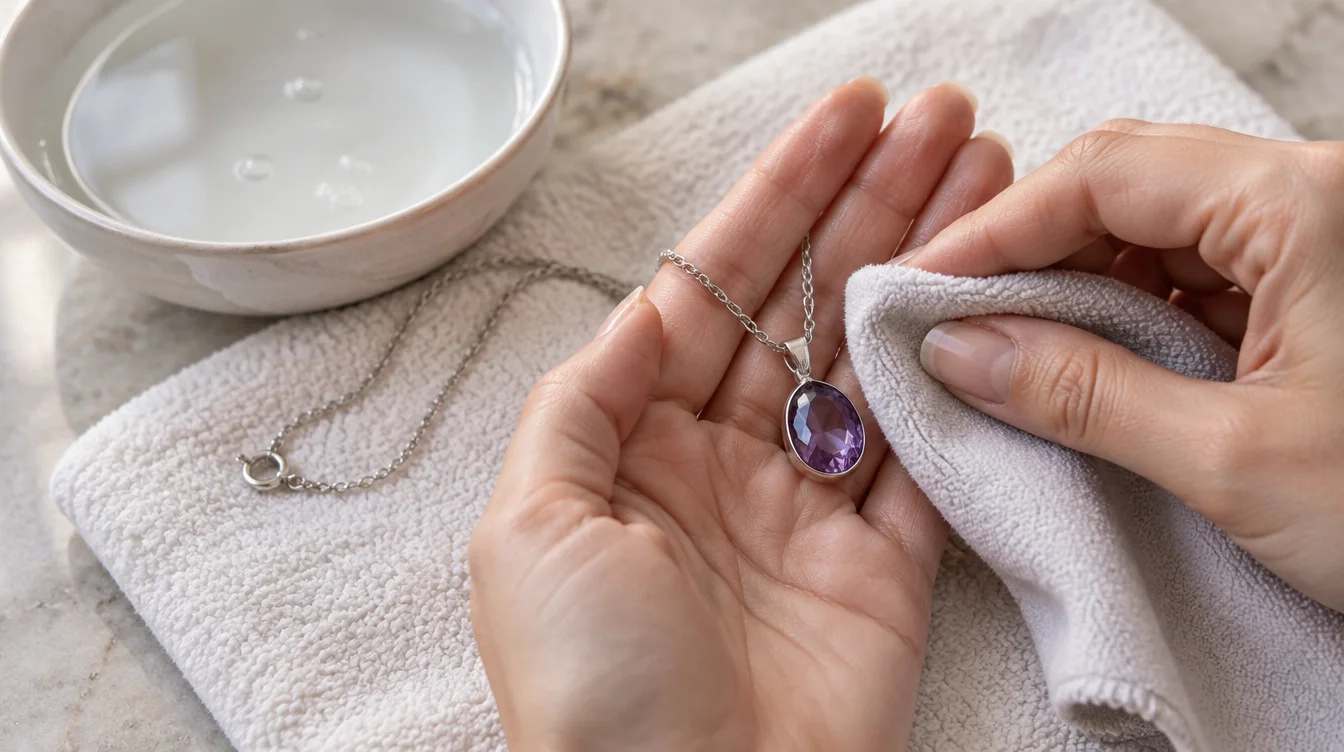
If you are wondering how to clean amethyst jewelry, begin with warm water, mild soap and a soft cloth, as described in Lugaro’s amethyst care advice. Rinse carefully, then dry the piece before storing it. If the setting is loose or other materials are attached, ask a jeweler before cleaning it at home.
Store each piece so gems and metal edges do not rub together. Give a frequently worn ring a setting check if it catches on fabric or the stone seems to shift. Care does not need to be fussy, but it should match how the gift is worn.
Frequently asked questions about amethyst
These quick answers cover the points most likely to affect a final choice.
Can you wear amethyst every day?
Yes, with care. For a ring worn often, choose a protected setting and remove it for rough tasks. Those steps matter less for earrings or a pendant.
Does every amethyst have the same purple shade?
No. Amethyst ranges from light lilac to deep purple, and lighting changes how dark a particular stone appears. View the actual piece in more than one kind of light when possible.
How do you clean amethyst jewelry at home?
Use warm water, mild soap and a soft cloth, then rinse and dry the piece. If the setting is loose, have a jeweler inspect it first.
What does amethyst meaning say about health?
Stories about sobriety and calm are traditional beliefs, not health claims. Give the gem for its beauty or personal symbolism, not as a substitute for care or treatment.
With those questions settled, the best choice is usually easier to see.
Choose the purple they will want to wear
The best February amethyst jewelry is not simply the darkest stone in the case. Choose a shade that still looks good in everyday light. Pick a setting that suits the wearer’s routine. Compare two or three actual pieces, ask about treatment and check the setting. Then choose the piece you can picture them wearing again.