14k vs 18k Gold for Daily Wear When You Work With Your Hands
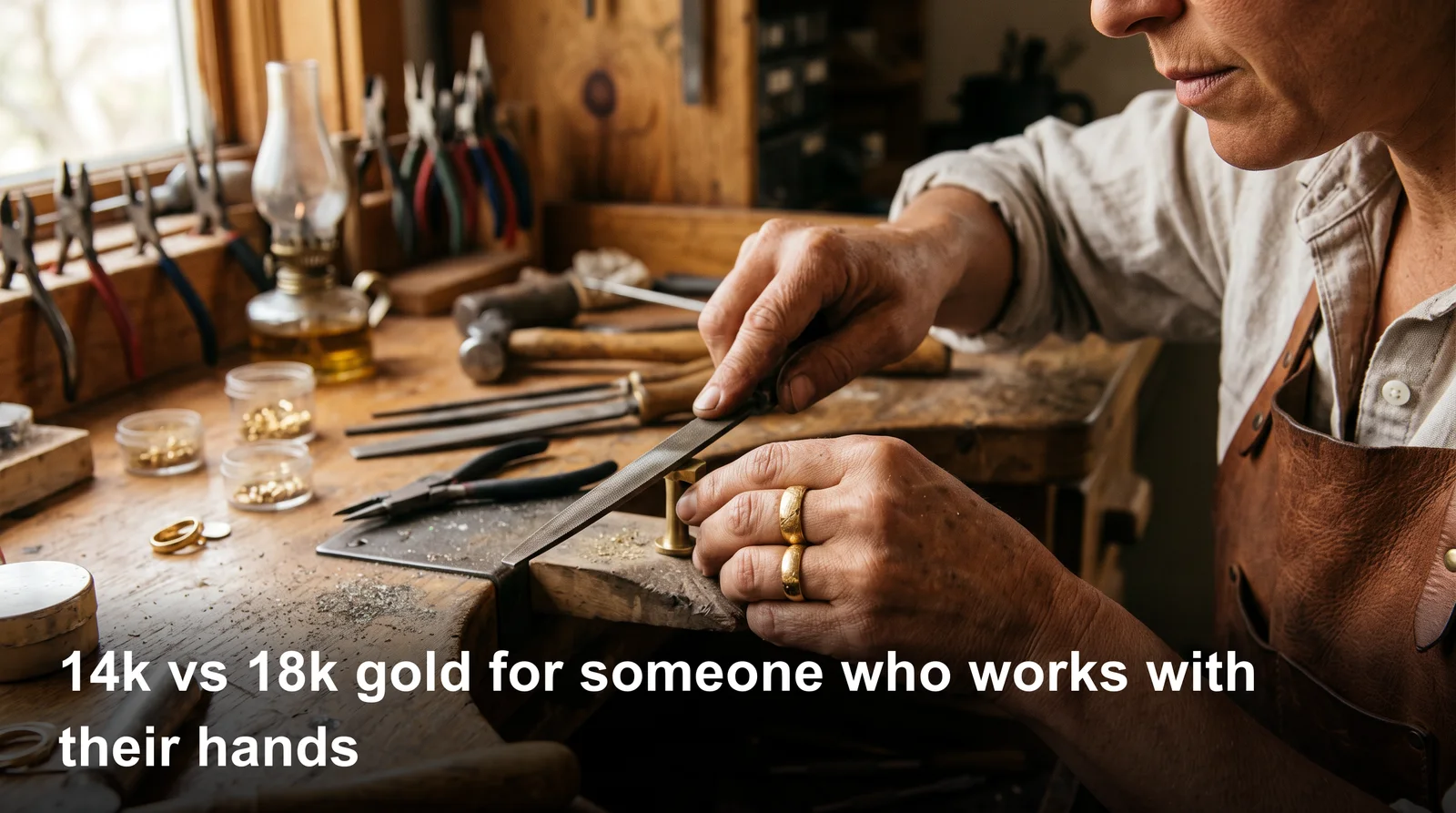
If you work with your hands all day, gold jewelry takes a beating. So the real question comes down to 14k vs 18k gold for daily wear, and which one can actually keep up with you.
Here's the short answer. 14k gold wins for durability. It has more alloy mixed in, which makes it harder and more scratch resistant than 18k. If your hands are your tools, that extra strength matters more than a slightly richer gold color.
I've fitted plumbers, mechanics, chefs, and nurses with rings for years. The pattern is always the same. The people who skip the softer gold options are the ones who still have a ring worth wearing five years later.
What's the Real Difference Between 14k and 18k Gold
The difference between 14k and 18k gold comes down to purity. 14k gold is 58.3% pure gold. 18k gold is 75% pure gold. The rest of each is made up of metals like copper, silver, or zinc.
More pure gold sounds better on paper. But pure gold is soft. Really soft. That's why jewelers mix it with other metals in the first place.
18k gold has less of that alloy mix. So it bends easier, scratches easier, and dents easier. 14k gold has more alloy, which means more strength.
Think of it like coffee. 18k is a strong espresso shot of pure gold. 14k is more diluted, but that dilution is exactly what gives it backbone. If you want a deeper breakdown of how alloy content affects strength, this piece on why most 24k gold pendants get ruined in the first year lays out the science in a way that makes the whole karat system click.
Now that you know what separates the two, let's talk about which one actually holds up better under pressure.
Is 14k or 18k Gold More Durable
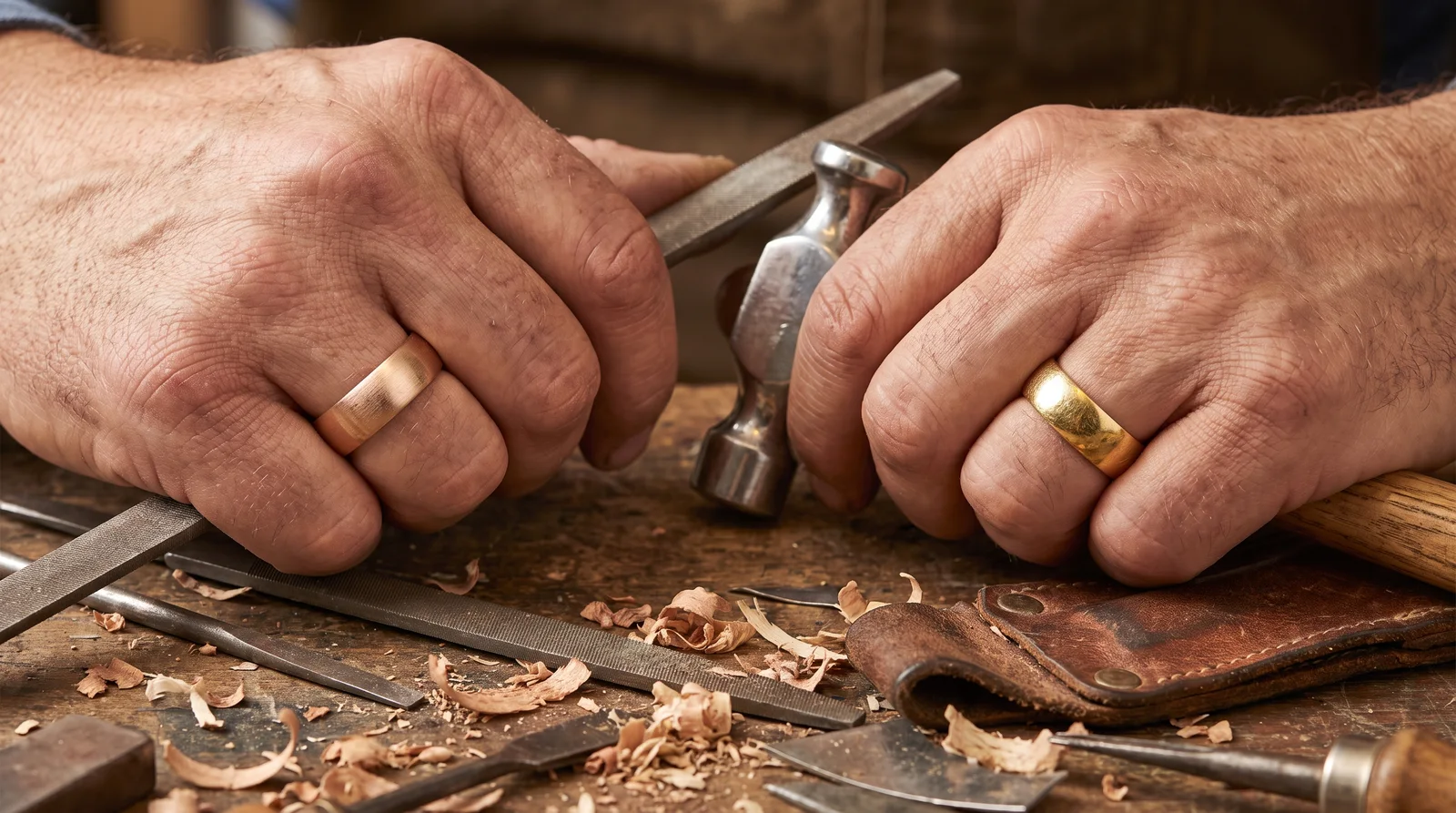
14k gold is more durable than 18k gold. That's not opinion, it's basic metallurgy. Less pure gold means more hardening metals, and more hardening metals means a tougher piece of jewelry.
Why Alloy Content Changes All
Gold on its own is one of the softest metals used in jewelry. On the Mohs hardness scale, pure gold sits around 2.5 to 3. That's softer than a copper penny.
When jewelers add copper, silver, or zinc, the metal gets harder. 14k gold usually lands around 3.5 to 4 on that same scale. 18k gold falls slightly below that, usually closer to 3 to 3.5, depending on the exact alloy mix used.
That gap might sound small. But over years of daily wear, it adds up fast.
What This Means for Hands-On Work
If you're gripping tools, lifting boxes, or working with machinery, your rings take constant impact. 14k gold shrugs off small hits better than 18k.
18k gold tends to show wear faster in these settings. Dents, dings, and warping show up sooner. I've seen 18k wedding bands from contractors that needed reshaping within a year. Compare that to 14k bands from the same job site that still looked round and solid.
This is also why dented bangles are such a common repair request. If you've ever wondered whether damage like that can even be fixed, this article on whether a dented hollow gold bangle can be repaired explains why softer gold structures get hit the hardest.
With durability settled, let's break down what actually happens when metal meets daily friction.
Which Gold Scratches Less During Everyday Wear
14k gold scratches less than 18k gold in almost every real world test. The harder alloy mix resists surface damage better, which matters a lot if your hands touch rough surfaces all day.
The Truth About Surface Wear
Every metal scratches eventually. Gold is no exception. But the depth and frequency of those scratches depend on hardness.
18k gold picks up fine scratches faster because there's less resistance in the metal. Over months, that can dull the shine and leave a piece looking foggy instead of polished.
Why This Matters for Manual Labor Jobs
If you're a mechanic, carpenter, or work in food service, your hands touch rough textures constantly. Concrete, metal edges, cutting boards. All of it adds up.
14k gold holds its polish longer under that kind of repeat contact. It's not scratch proof. Nothing is. But it slows the damage down in a way that actually matters over years of wear.
Now let's look at how this plays out clearly with rings, since that's where most people feel this decision the most.
14k vs 18k Gold Engagement Ring Choices for Active Lifestyles
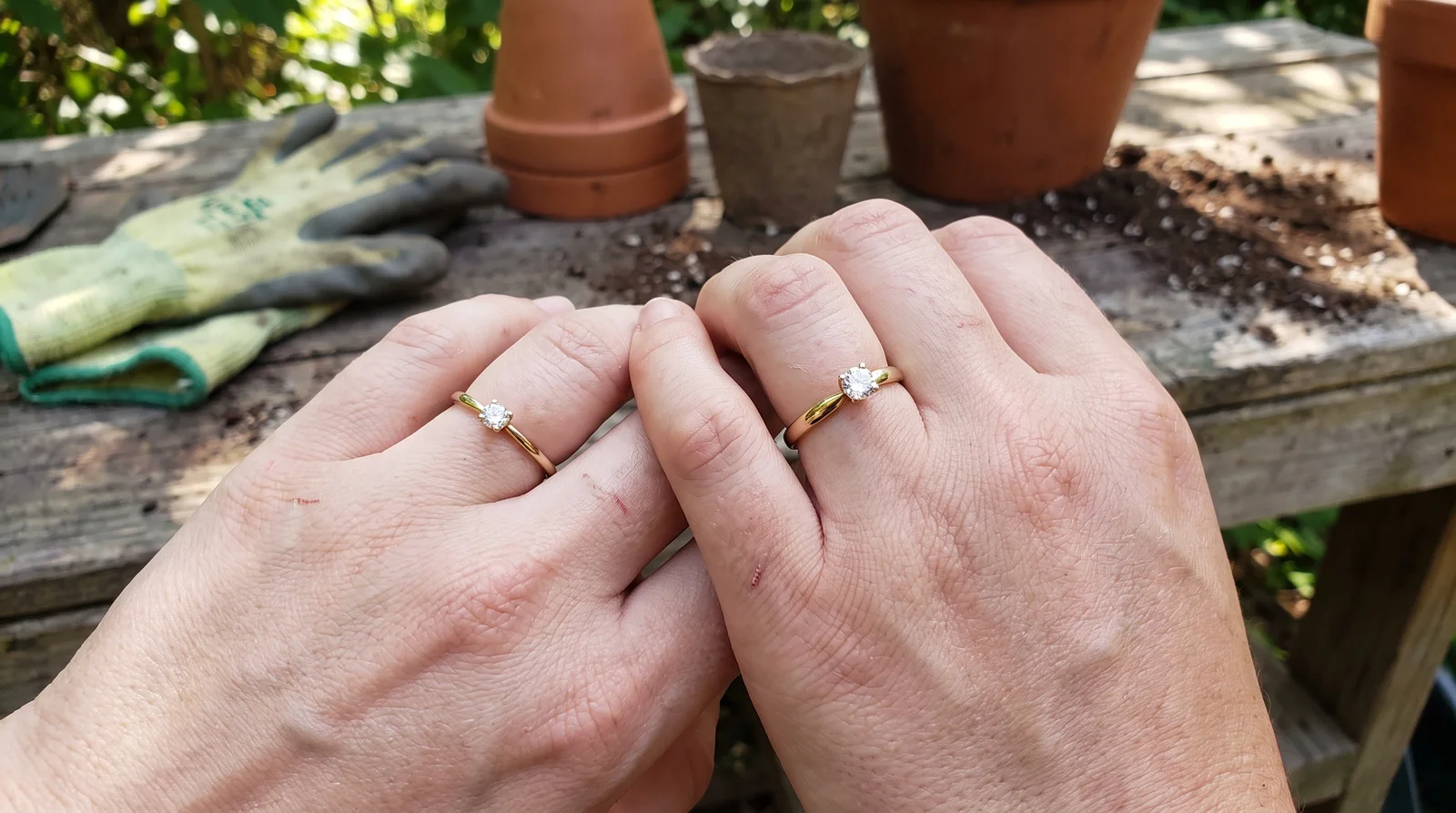
For most people who work with their hands, a 14k gold engagement ring is the smarter long-term choice. It holds shape better, resists bending, and needs fewer repairs over time.
Why Ring Settings Take the Most Abuse
Rings get hit constantly. Doorframes, tool handles, steering wheels, gym equipment. A ring absorbs more daily impact than any other piece of jewelry you own.
Soft prongs are one of the biggest risks with 18k gold rings. Prongs hold your stones in place, and if they wear down or bend, you risk losing a diamond completely. If you want to know how prong wear happens and what it costs to fix, this guide on real prong retipping costs is worth a read before you buy.
What I Recommend to Clients Who Work With Their Hands
I usually steer hands-on workers toward 14k gold settings with sturdy prong designs. Bezel settings also help protect stones from daily impact.
18k gold still works fine for people with desk jobs or lighter daily work. But if you're using your hands hard every day, the math favors 14k almost every time.
Speaking of choices, let's look at how 10k fits into this picture too.
Comparing 10k vs 14k vs 18k Gold for Toughness
10k gold is the most durable of the three, followed by 14k, then 18k. As gold purity goes up, softness goes up too, and durability goes down.
Where 10k Gold Fits In
10k gold has the lowest gold content at 41.7%. That means more alloy, more hardness, and more scratch resistance than either 14k or 18k.
The tradeoff is color and richness. 10k gold looks paler and less warm. Some people also notice more skin sensitivity with 10k because of the higher alloy content.
Finding the Best Gold for Someone Who Works With Their Hands
For most people, 14k gold hits the sweet spot. It's tougher than 18k but keeps a rich color that still looks like real gold. That balance is exactly why 14k has become the most requested karat for work rings, wedding bands, and daily wear pieces in general.
If your job involves heavy chemical exposure or constant hard impact, 10k might be worth considering. But for most tradespeople, nurses, and hands-on workers, 14k covers the bases without sacrificing color.
Now let's talk about care, because even the toughest gold still needs upkeep.
How to Keep Gold Jewelry Looking Good Under Heavy Use
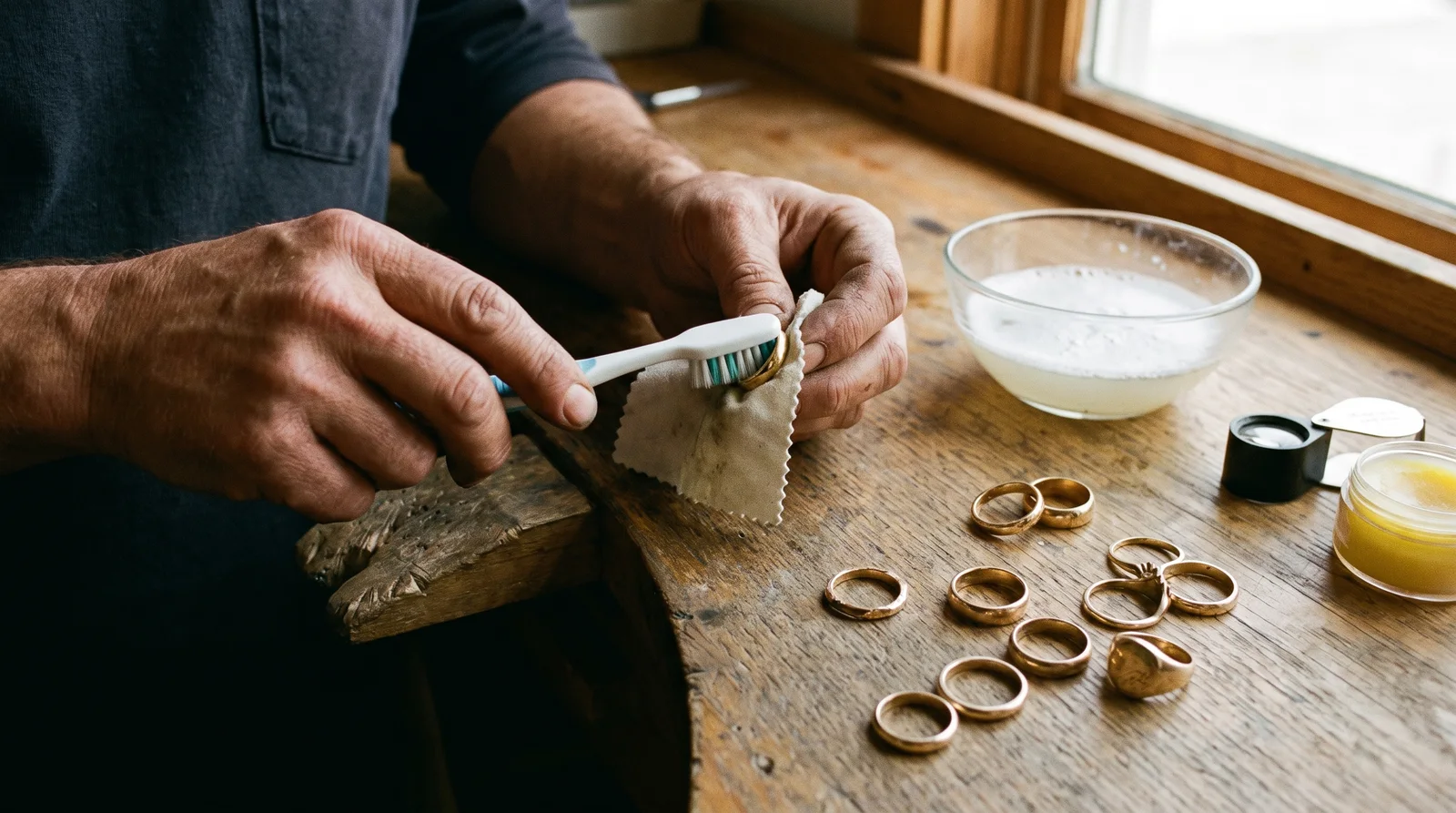
Regular cleaning and smart wear habits make a bigger difference than most people expect. Even 14k gold needs some care to stay sharp looking.
Simple Habits That Extend the Life of Your Gold
Take rings off before heavy lifting, gym sessions, or anything involving grease and chemicals. Clean your pieces regularly to prevent buildup that can hide small scratches and dull the shine.
If you want a clear step-by-step method, this guide on the cleaning mistakes that ruin rings covers exactly what to avoid and what actually works.
What About White Gold Options
White gold is another common choice for people who work with their hands. But it comes with its own maintenance schedule, mostly due to rhodium plating wearing off over time.
If you're weighing white gold against yellow gold, this article on the white gold ring mistake nobody warns you about is worth reading before you decide.
With all that covered, let's answer a few quick questions people ask most often.
Frequently Asked Questions About 14k vs 18k Gold Durability
Does 14k gold last longer than 18k gold?
Yes. 14k gold has more alloy content, which makes it harder and more resistant to scratches and bending. For daily wear, 14k usually outlasts 18k in appearance and structure.
Why do jewelers recommend 14k gold for daily wear?
Jewelers recommend 14k gold because it balances durability with a good gold color. It holds up better under regular use without looking pale like lower karat options.
Can 18k gold rings be repaired if they bend?
Yes, most 18k gold rings can be reshaped or repaired. But repeated bending weakens the metal over time, so frequent repairs become more likely.
What gold karat is best for construction or manual labor jobs?
14k gold is usually the best fit for construction or manual labor work. Some workers even prefer 10k for extra strength, mainly with wedding bands worn every single day.
How often should hands-on workers get their rings checked?
Getting your ring checked every six months is a smart habit. This catches loose stones, worn prongs, or early scratches before they turn into bigger problems.
Choosing the Gold That Actually Fits Your Life
At the end of the day, the best gold for someone who works with their hands isn't about which one looks fancier on paper. It's about which one survives your actual life. If you're gripping tools, hauling equipment, or scrubbing dishes all day, 14k gold is going to treat you better than 18k almost every time.
I've seen too many people fall for the idea that higher karat always means better. It doesn't. It just means softer.
If you want jewelry built for real work and real life, come talk to us. We'll help you pick a piece that keeps up with you, not one that falls apart the first year you wear it.