So, can scratches on watch glass be polished out? Know When to Stop
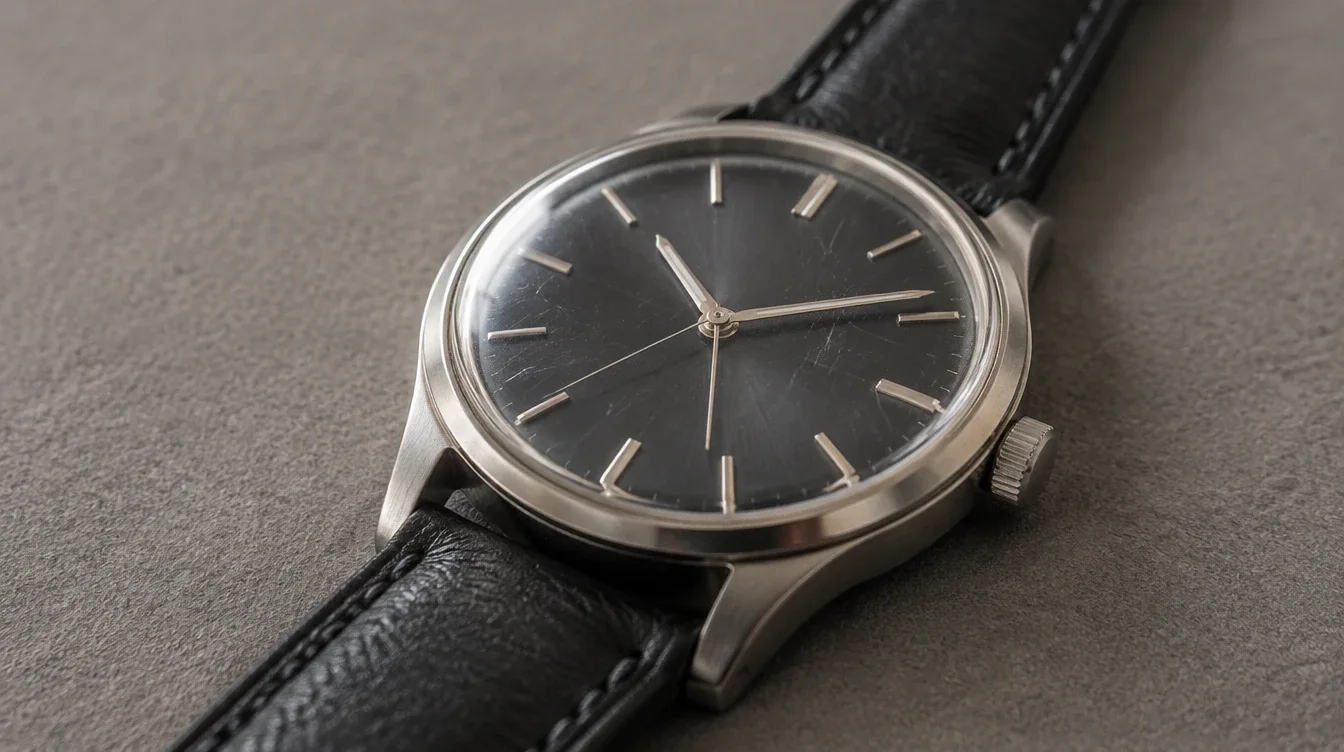
Light scratches on acrylic watch crystals can often be polished out. Mineral glass is harder to restore. Sapphire usually needs a professional check. To answer “can scratches on watch glass be polished out”, first check the crystal material. Scratch depth and any surface coating matter too. Watch Repair Tools recommends different methods for each material, and a new crystal for cracks or serious damage. Before buying polish, check what covers your dial.
Identify Your Watch Crystal Before Choosing Polish
Your crystal material sets the risk. It determines whether polishing makes sense or adds needless risk.
Check the specifications for your exact watch reference. Keep service records handy if a past owner changed the crystal. The part now fitted may not match those details.
Price and age do not tell you the crystal material for sure. If unsure, ask the manufacturer or a watchmaker. WikiHow also recommends contacting the manufacturer rather than using polish on an unknown crystal.
Acrylic Gives You the Best Starting Point
Acrylic is plastic, though people often call it watch glass. Polish made for plastic crystals can work well on fine marks, according to Watch Repair Tools. Of the home repairs covered here, acrylic watch crystal scratch removal makes the most sense.
Still, take care with an old or valuable watch. A clear dial matters, but keeping an original part may matter more.
Mineral Glass and Sapphire Need Different Expectations
Mineral glass is harder to polish than acrylic. Sapphire is harder still. The mark may be on an external anti reflective coating.
The same repair guide warns that polishing a coating can leave a patchy finish. Once you know the material, judge the mark itself.
Read the Scratch Before You Try to Remove It
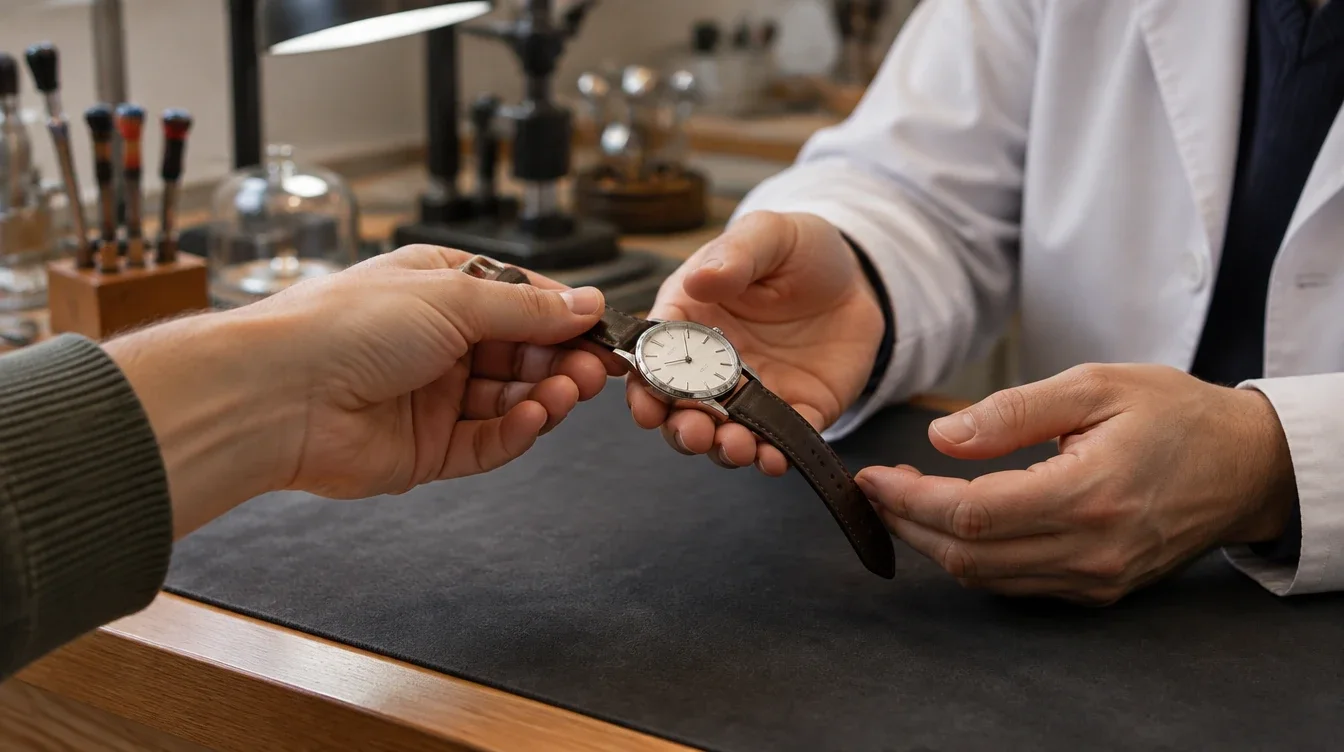
Polishing is better suited to shallow marks than deep grooves, chips, or cracks.
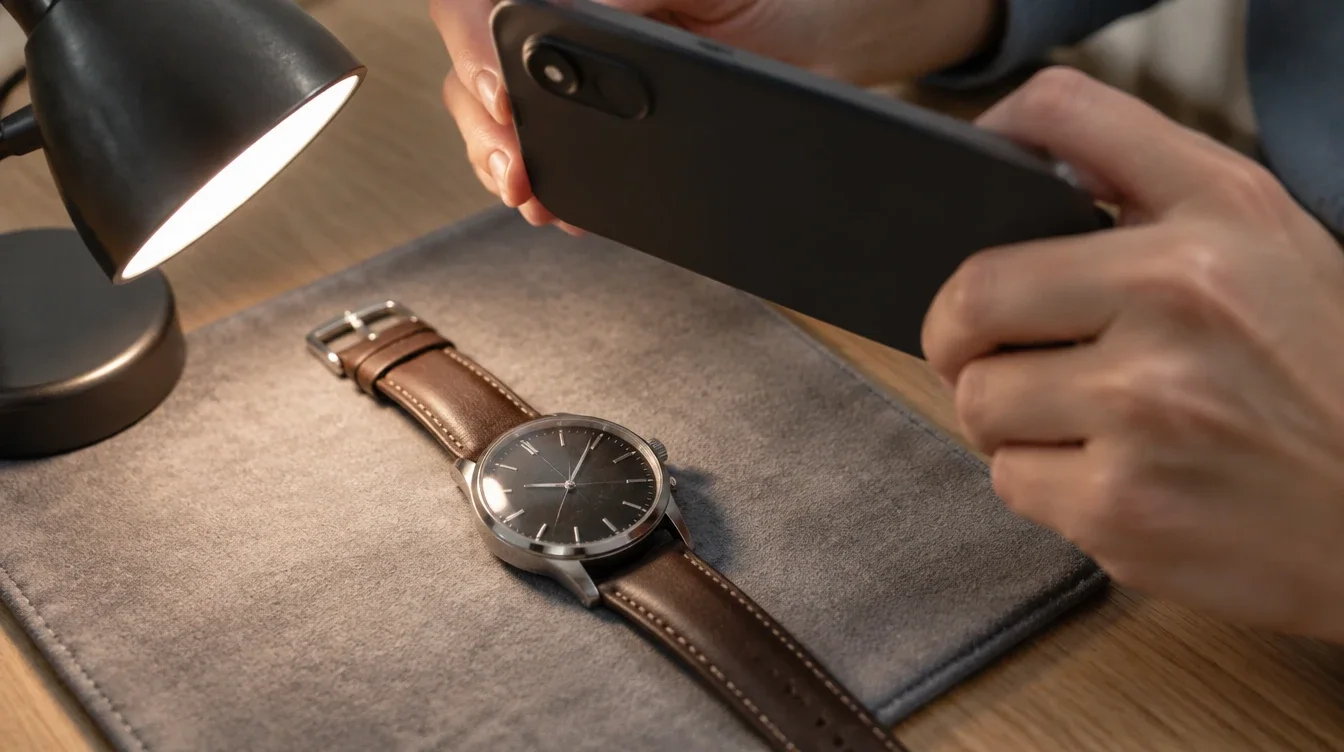
Start with a clean surface and good light. Follow the watch maker’s cleaning guidance. Then view the mark from several angles. Do not rub harder just because a line looks bright under a lamp.
Take a clear photo before doing anything else. Use the same light and angle for later checks. Otherwise, a change in glare can make an unchanged scratch seem smaller.
Use Depth as a Warning, Not a Diagnosis
Ask for advice if a scratch firmly catches your fingernail. Watch Repair Tools notes that polishing a deep groove can take too long or leave a visible low spot. Do not drag a nail across chipped edges or suspect cracks.
A smooth mark is not always safe to polish. Material and coating still matter. Depth is only one part of the choice, not a pass or fail test.
Set your goal before learning how to remove scratches from watch glass. Would a clearer view be enough? Trying to remove every mark can turn a small cosmetic flaw into a larger repair.
What Polishing Can Achieve on Each Material
Polishing helps most with light scratches on acrylic. Results on mineral glass are harder to predict.
Set a Modest Goal for Acrylic
For acrylic watch crystal scratch removal, aim for a clearer dial. Fine scuffs may fade with the right plastic polish and careful hand work, as this repair guide explains. A line left behind does not mean the whole attempt failed.
Picture an acrylic crystal with light sleeve scuffs and no cracks. That makes more sense as a home project than an unknown crystal with a deep central gouge. These examples help you choose; they do not promise results.
Keep Mineral Glass Expectations Realistic
For mineral glass scratch removal, check the material first. Use only a product made for it. Polywatch glass polish is not the same as the brand’s plastic polish. Watch Repair Tools recommends the glass version for light mineral glass marks, but warns against use on deep damage.
Reports vary. In a Watch Repair Talk discussion, one contributor described good results on a thick domed Fossil crystal. Others reported slow progress or mixed results. Some struggled to keep the view through the glass clear.
Those reports show why mineral glass scratch removal needs realistic limits. They are personal accounts, not controlled tests or a guarantee for your watch.
Treat Sapphire as a Specialist Job
The question “can you polish sapphire crystal” has a technical answer and a practical one. Specialist abrasives are discussed in the repair forum, but that does not make home polishing a sensible choice.
Watch Repair Tools advises caution because what looks like sapphire damage may be a coating mark, chip, or scratch. Replacement may be the better repair. Keep those limits in mind before trying any work at home.
How to Approach a Light Acrylic Scratch Safely
Gentle hand polishing may be a sound first step for light surface marks. Try it only on confirmed acrylic.
These steps take the cautious approach set out in Watch Repair Tools’ advice. Do not use them for cracks, loose crystals, or unknown coatings. Valuable pieces that need specialist care are also excluded.
Prepare the Watch and Work Area
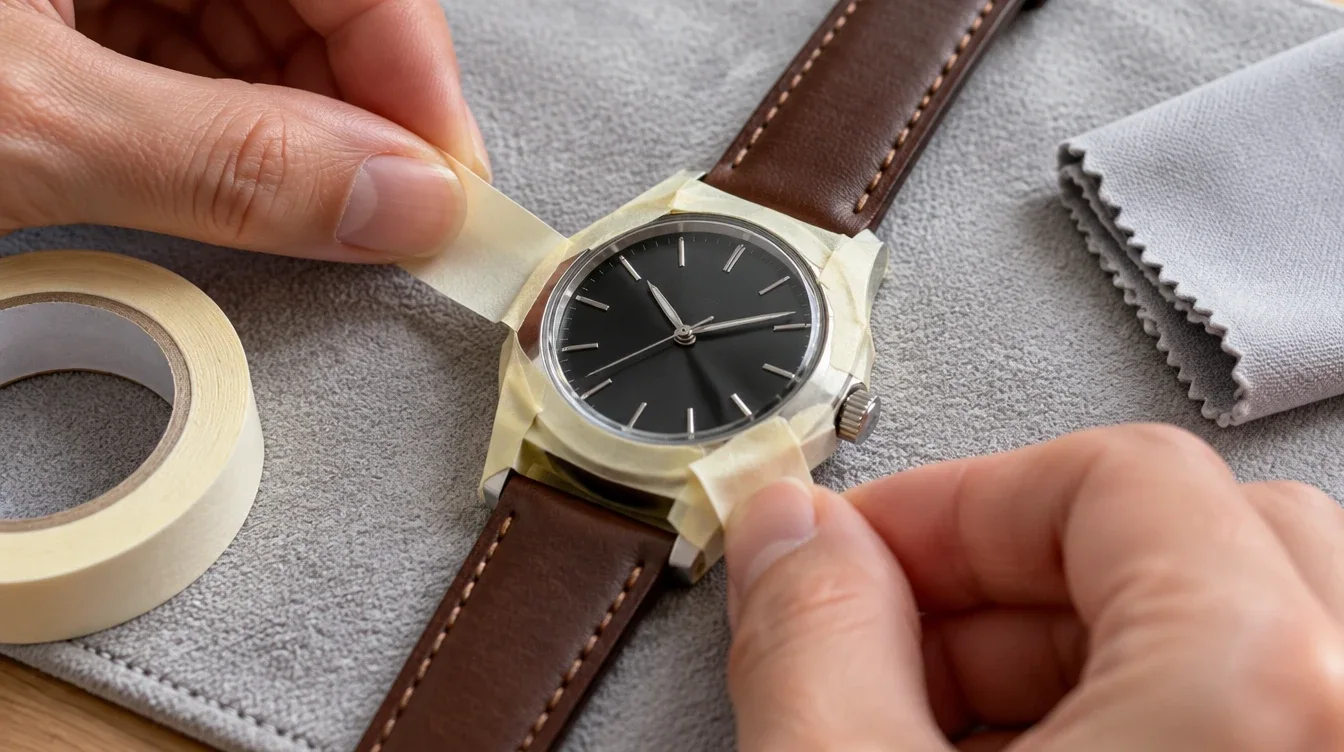
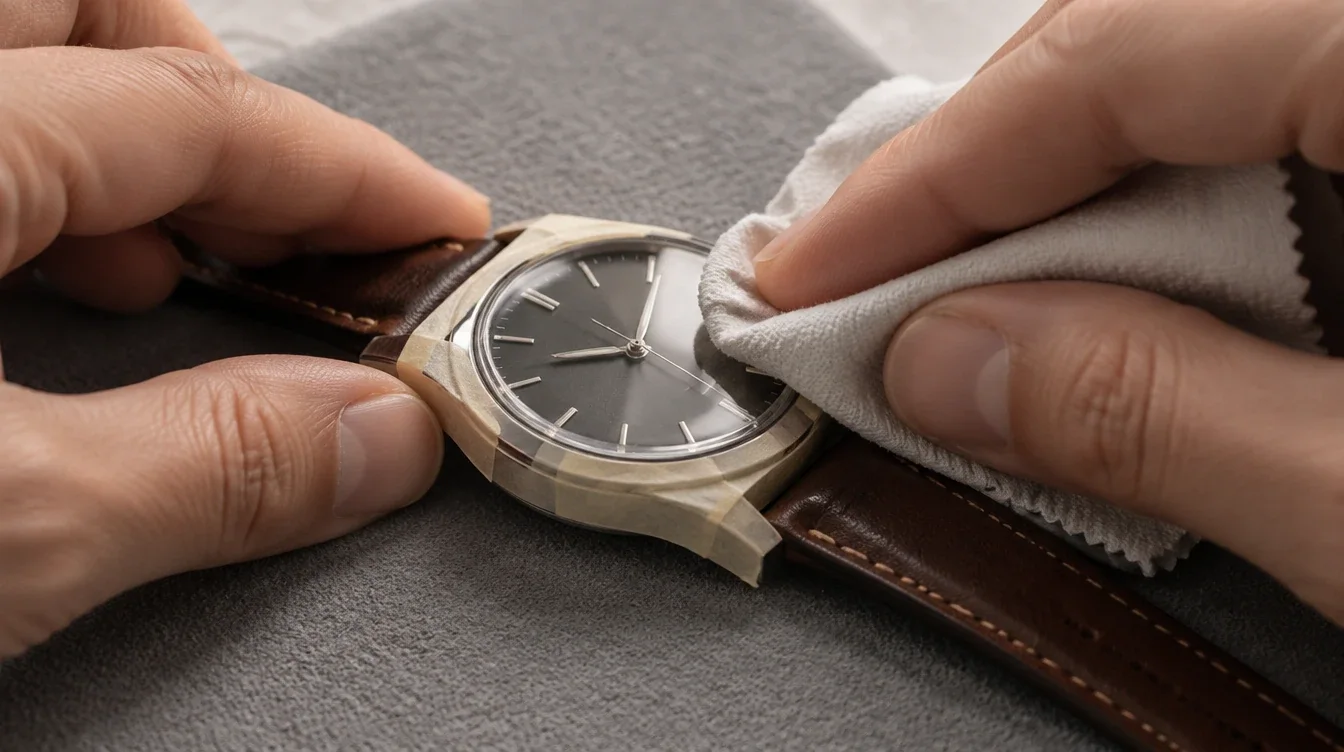
Place the watch on a clean, soft surface. Protect the case and bezel with suitable masking tape. Follow the polish maker’s directions and keep your cloth free of grit. Use a product labelled for plastic watch crystals.
Read the Product Directions First
Use the amount, cloth, and method stated on the pack. Do not swap in glass compound because the tube looks similar. A product name alone cannot tell you whether it suits your crystal.
Once the surface and tools are ready, begin with a light pass.
Polish Gently and Check the Result
Work by hand with light pressure. Follow the product directions, including how to clean off residue. Then check the result against your first photo. Use the same light for both.
Set Your Stop Point Before Starting
Stop if the crystal gets warm or the cloth gets dirty. Also stop if a reasonable attempt brings no change to the mark. The repair guide specifically warns against using more pressure as the answer.
Good watch crystal polishing does not mean rubbing for longer. If gentle work brings no clear gain, have the repair assessed.
When Replacement Makes More Sense Than More Rubbing
A new crystal is usually best for cracks, chips, a loose fit, or deep damage.
Watch Repair Tools recommends replacement for those faults and warns that removing a crystal can affect seals. Ask whether the work needs a new gasket and pressure test. This matters most if you wear the watch in water.
For watch crystal replacement, request an itemized quote rather than comparing the part price alone. Ask what crystal will be fitted, whether its shape matches, and what checks follow installation.
Compare polishing and replacement against the same goal: a clear dial, a sound fit, and an acceptable finish. A cheap polishing kit is not good value if the likely outcome still leaves you needing another repair.
On an heirloom, discuss originality before approving work. Ask whether the old crystal can be returned. There is no need to choose between appearance and history without first knowing the options.
A simple check can help you choose the repair.
So, can scratches on watch glass be polished out Without Replacing It?
Light scratches on acrylic can often be polished out. Mineral glass needs care. Marked sapphire needs a professional check.
Check three things before buying anything. Confirm the material, check that damage is shallow, and weigh the risk to the watch. If one answer is missing, pause. These checks set limits for watch crystal polishing, but do not promise success.
For example, an acrylic watch worn daily may suit gentle hand work on fine scuffs. A coated sapphire watch with one annoying line should go to a watchmaker instead. Marks that look much the same can need very different repairs.
When learning how to remove scratches from watch glass, learn when to stop first. These common questions help make that limit clear.
Frequently Asked Questions About Scratched Watch Crystals
The safest repair matches both the crystal material and the damage.
Can Toothpaste Remove Watch Glass Scratches?
Some guides suggest toothpaste for acrylic, including WikiHow, but that advice does not apply to every crystal. Choose a labelled plastic crystal polish rather than treating toothpaste as a universal fix.
Does Polywatch glass polish Work on Every Watch?
No, the product must match the crystal material and its condition. Watch Repair Tools distinguishes glass and plastic products and warns that cracks, coatings, and deep marks need different methods.
How Can You Tell Whether Sapphire Needs Polishing?
If you are asking “can you polish sapphire crystal”, first have the mark assessed. External coating damage can resemble a crystal scratch, so have the cause checked before you approve polishing.
What Should You Ask Before Booking a Repair?
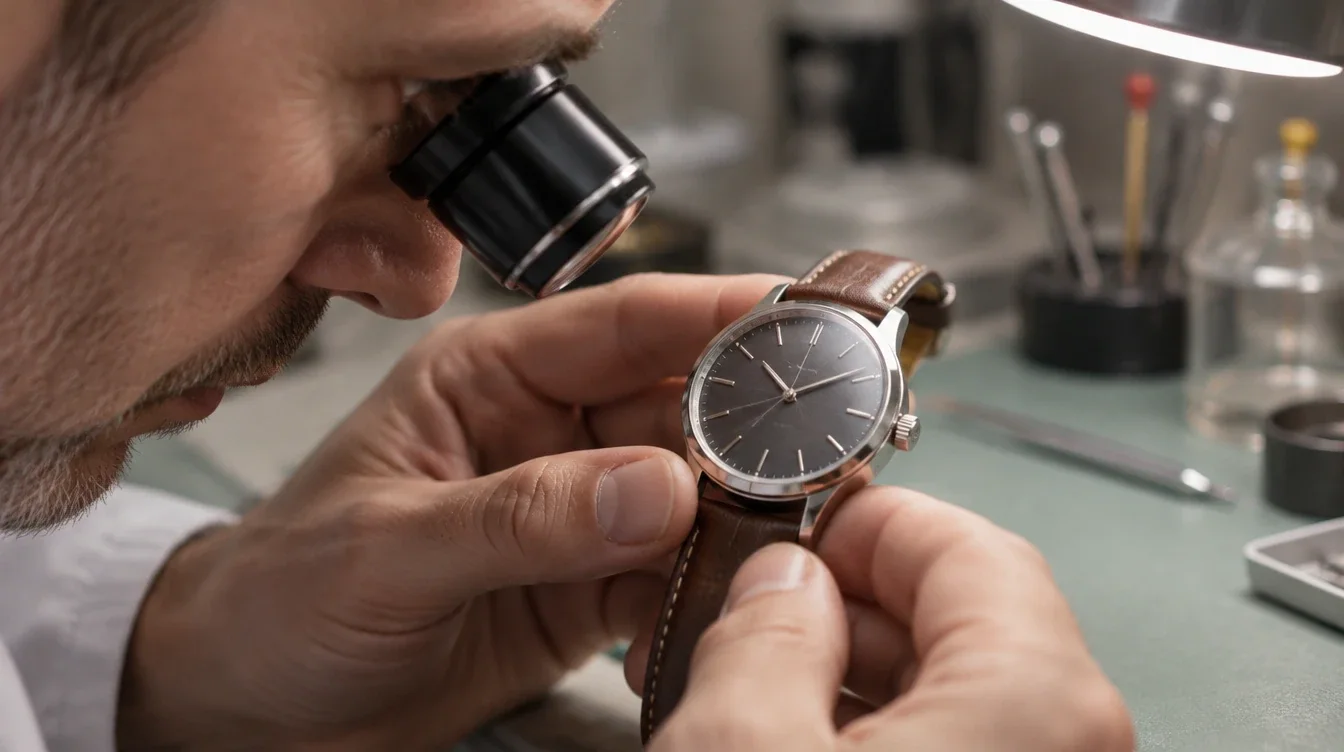
Ask the watchmaker to confirm the material and check for coatings. Find out what result to expect. Discuss three choices. You could leave a harmless cosmetic mark alone or polish where suitable. The third choice is watch crystal replacement. Know the limits of each before you choose.
Make the Smallest Repair That Solves the Problem
A clearer crystal is worth seeking only if the repair suits the watch. Light acrylic marks may need little work. Deep glass damage calls for a different plan.
Check your watch reference and look at the mark before buying polish. If the material, coating, or scratch depth is unclear, book a check with a watchmaker. Ask how much better the crystal could look. Start with that answer, not a stronger abrasive.