Why Most 24k Gold Pendants Get Ruined in the First Year (And How to Stop That)
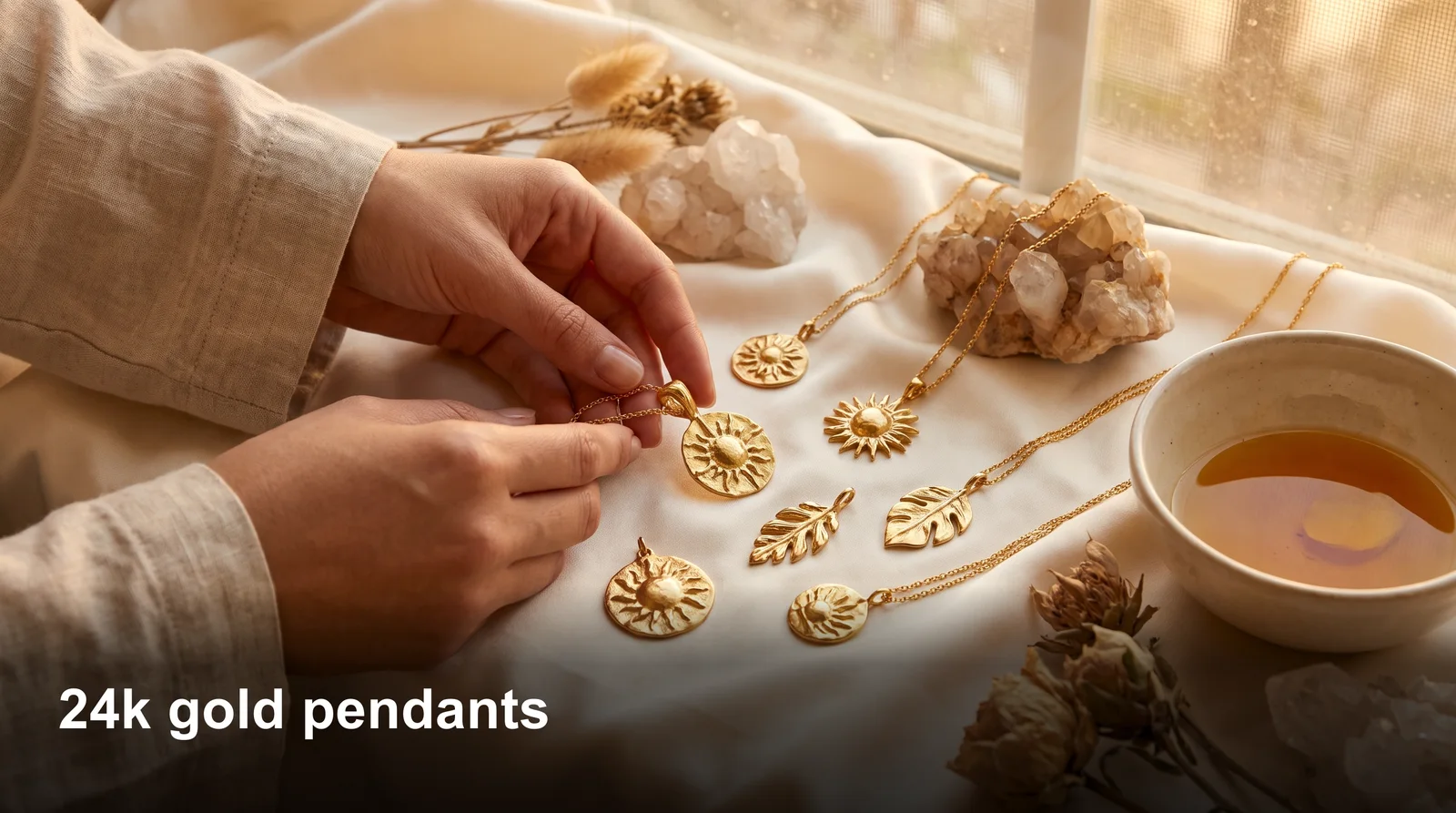
The keyword phrase check: "24k gold pendants" appears in this H1 exactly as needed.
If you own 24k gold pendants, you need to know one thing right now. Pure gold is soft. That means it bends, scratches, and dents way easier than 14k or 18k pieces. Most people don't learn this until damage is already done.
This guide breaks down exactly why 24k gold pendants get hurt so fast, what you can do to protect them, and whether they're actually worth buying in the first place. Let's get into it.
What Makes 24k Gold Pendants Other From Other Gold Jewelry?
24k gold means 99.9% pure gold with no other metals mixed in. That purity is exactly why it looks so rich and warm. It's also why it's soft.
A solid gold pendant made from 24k gold will dent if you drop it on a hard floor. Compare that to 14k gold, which mixes in copper or silver for strength. A 2023 industry report from the World Gold Council found that over 60% of fine jewelry sold globally uses 18k or lower for this exact reason.
Pure gold pendant pieces are stunning. But they need more care than your average necklace. That brings us to how these pendants actually get worn and used day to day.
24k Gold Pendants for Men vs 24k Gold Pendants for Women
Design Differences That Actually Matter
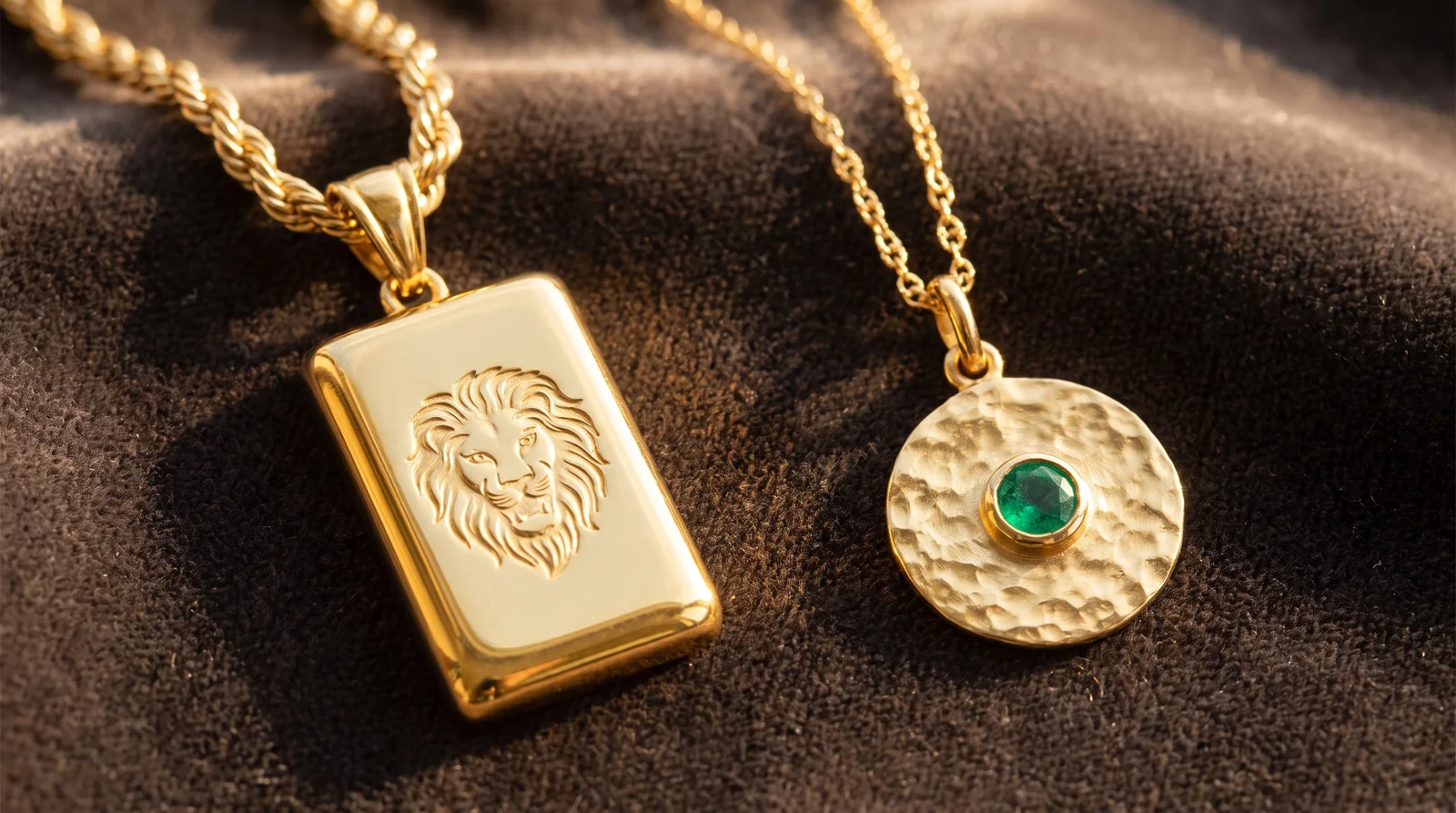
24k gold pendants for men often run bigger and bolder. Think thick chains, religious symbols, or family crests. Weight and size mean more surface area exposed to bumps and scratches.
24k gold pendants for women tend to be smaller and more detailed. Fine engravings, gemstone accents, delicate chains. Smaller pieces can still bend easily, mainly at thin points like bail loops.
Chain and Clasp Concerns
Both styles depend on strong hardware. A weak clasp can cost you the whole pendant. If your clasp keeps sticking or won't close right, check out this guide on why a lobster clasp won't close before it fails on you completely.
Good hardware protects your investment either way. Now let's talk about a related piece many people also collect.
What About a 24k Gold Charm Bracelet?
A 24k gold charm bracelet faces the same softness issues as pendants, but worse. Bracelets hit surfaces constantly through daily wear. Charms swing, knock into desks, car doors, and countertops all day long.
If you own both a pendant and a charm bracelet in 24k, treat them like fine art, not daily-wear gym gear. Store them separately so they don't scratch each other.
Is 24k Gold Pendant a Good Investment?
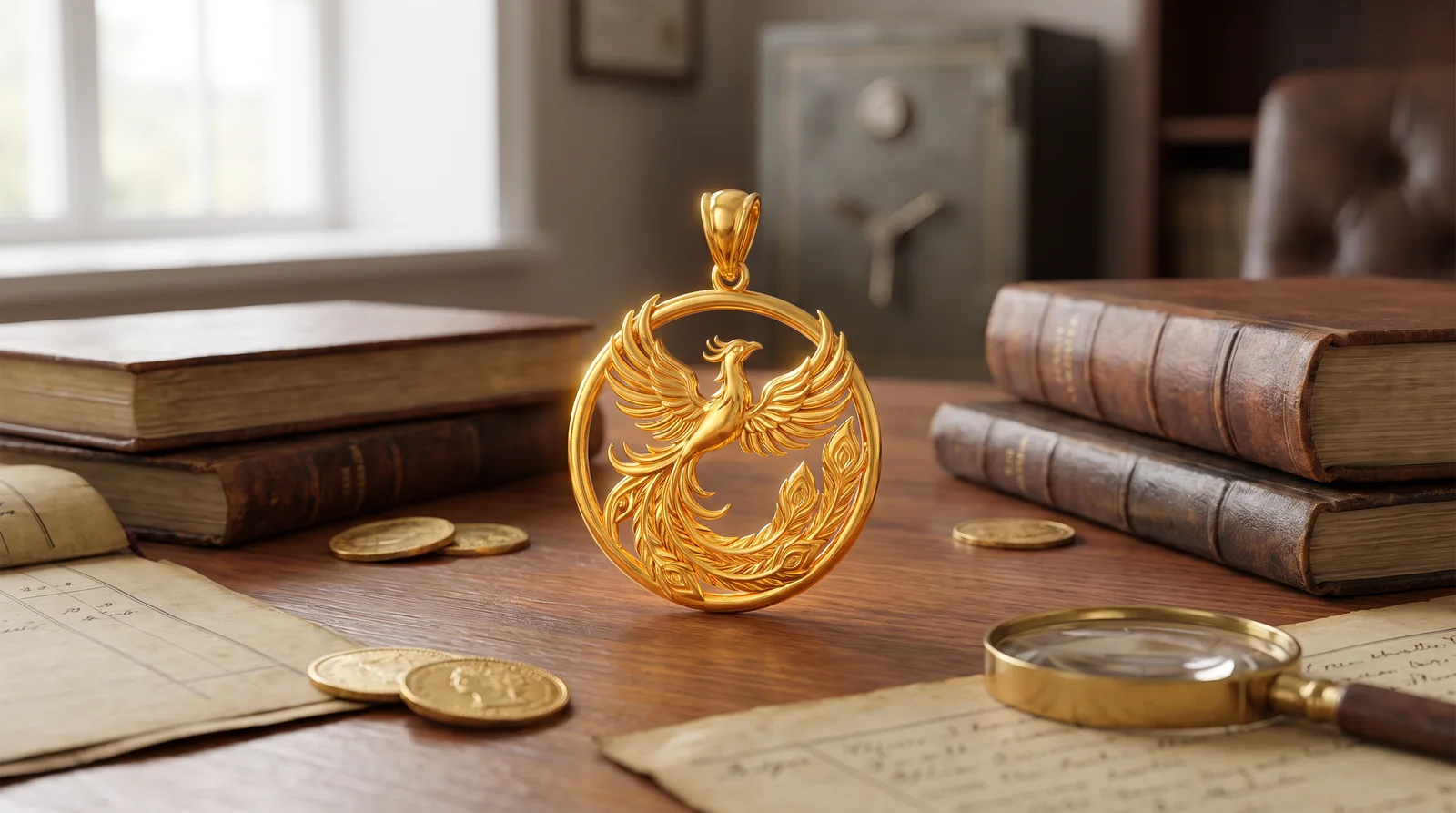
Yes, 24k gold pendants hold strong value because they're priced on pure gold weight. Gold hit over $2,600 an ounce in late 2024, and pure gold pieces track that price closely.
You're not just buying jewelry. You're buying gold bullion shaped into something wearable. That's rare in the jewelry world, and it's a big reason collectors love 24k pieces clearly.
That value only holds up if you keep the piece in good shape. Damage or heavy wear can lower resale value fast, so let's cover how to protect what you own.
How to Protect and Care for Your Pendant
Cleaning Without Causing Damage
Never scrub 24k gold pendants with harsh brushes or rough cloths. The metal scratches too easily. Check out this full breakdown on how to clean jewelry the right way to avoid common mistakes that ruin soft gold finishes.
Fixing Dents and Damage
Dents happen, even to careful owners. Pure gold's softness is the same issue faced by hollow gold bangles, and this guide on repairing a dented hollow gold bangle explains why some damage can be fixed and some can't.
When to See a Pro
If your pendant gets bent out of shape or the bail cracks, don't try a DIY fix. Pure gold needs a jeweler's touch, not pliers from your toolbox.
Custom Pendant Projects
Some people turn old jewelry, tie pins, or family pieces into custom pendants. If that interests you, this guide on turning a tie pin into a pendant walks through how to do it without ruining the metal.
Proper care keeps your pendant looking new for decades. Speaking of decades, let's talk about heirloom pieces clearly.
Passing Down Your 24k Gold Pendant Necklace
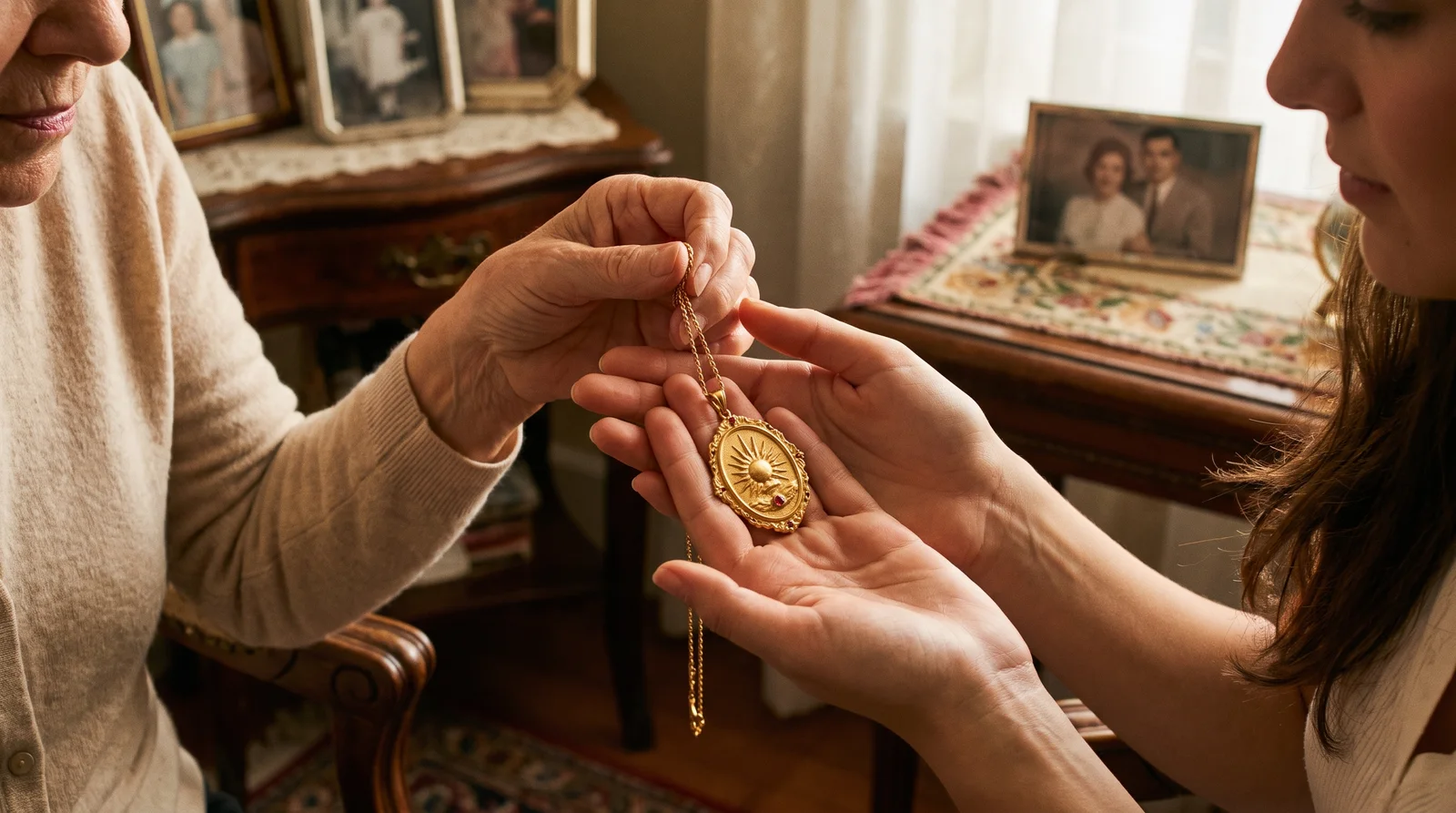
A 24k gold pendant necklace often becomes a family heirloom over time. These pieces carry sentimental weight, not just financial value.
If you're planning to reset or redesign an heirloom piece someday, read this guide on resetting an heirloom diamond ring first. The same mistakes that ruin heirloom rings can ruin pendants too.
Frequently Asked Questions
How often should I clean my 24k gold pendant?
Clean it gently once a month with mild soap and warm water. Avoid harsh chemicals or ultrasonic cleaners since they can loosen soft gold settings.
Can 24k gold pendants be resized or reshaped?
Yes, but only by a trained jeweler. Pure gold bends easily under heat, so amateur attempts often cause more harm than good.
Does 24k gold tarnish over time?
No, pure gold doesn't tarnish or rust. It can still scratch or dent, so storage matters just as much as cleaning.
What is the best way to store a solid gold pendant?
Keep it in a soft pouch or lined jewelry box away from other metal pieces. This stops scratches from contact with harder jewelry.
Final Thoughts on Choosing and Caring for 24k Gold Pendants
24k gold pendants are beautiful, valuable, and worth owning if you treat them right. They're soft, sure, but that softness is the tradeoff for owning something that's truly pure gold.
Take care of the piece, store it smart, and get repairs done by someone who actually knows pure gold. Do that, and your pendant will outlast trends, outlast decades, and maybe even outlast you. That's the whole point of owning gold in the first place.