What Is Custom Jewelry (And Why Most People Get It Totally Wrong)
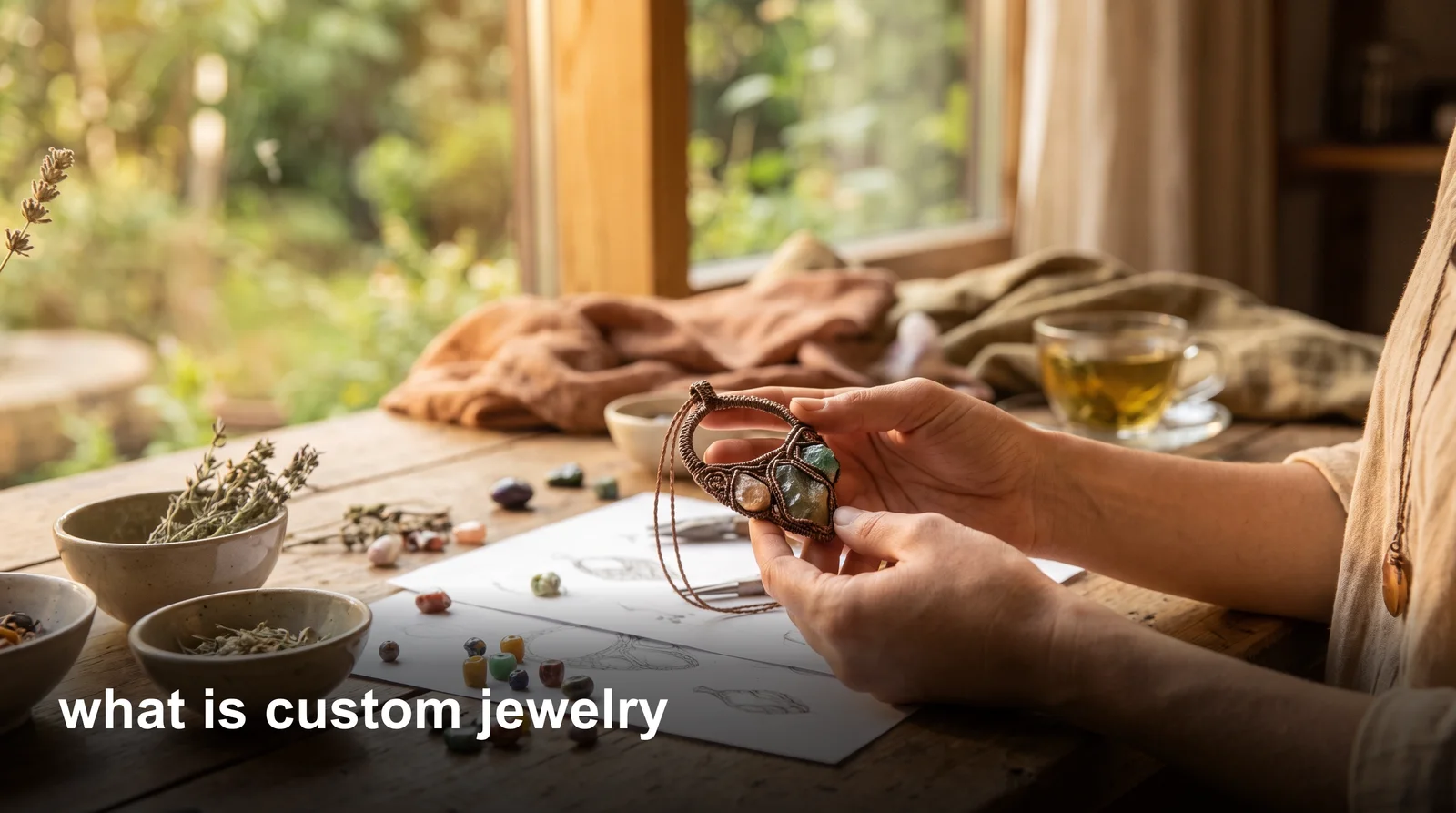
So what is custom jewelry, really? It's a piece made just for you, from scratch, based on your ideas. No template. No showcase copy. Just you, a jeweler, and a design that didn't exist before you asked for it.
That's the short answer. But there's a lot more to it, and most people confuse custom work with something else entirely. Let's fix that right now.
What Is Custom Jewelry, Exactly?
Custom jewelry is a piece built from the ground up to match your exact vision. You bring the idea. A jeweler brings the skill to make it real.
This isn't picking a ring from a case. It's not adding your initials to a necklace you found online. Custom means the design starts blank. You choose the metal, the stone, the shape, even the tiny details like prong style or engraving.
I've worked with clients who walked in with a sketch on a napkin. I've had others bring a photo of their grandmother's ring and ask for something similar but modern. Both are custom jobs. Both start the same way, with a conversation about what you actually want.
Custom vs Personalized Jewelry
Here's where people get tripped up. Custom vs personalized jewelry sounds like the same thing. It's not.
Personalized jewelry takes something that already exists and adds a detail. Think a name necklace with a preset font, or a birthstone charm added to a ready-made bracelet. The base design is fixed. You're just tweaking it.
Custom jewelry has no base design. Every part gets decided by you. If you want to see how personalization plays out in pricing, this piece on the real custom name necklace price in Toronto breaks down what shoppers actually pay once all the "personalized" options get added up.
Once you know the difference, the next question is obvious. How does the actual process work?
How Does Custom Jewelry Work From Start to Finish?
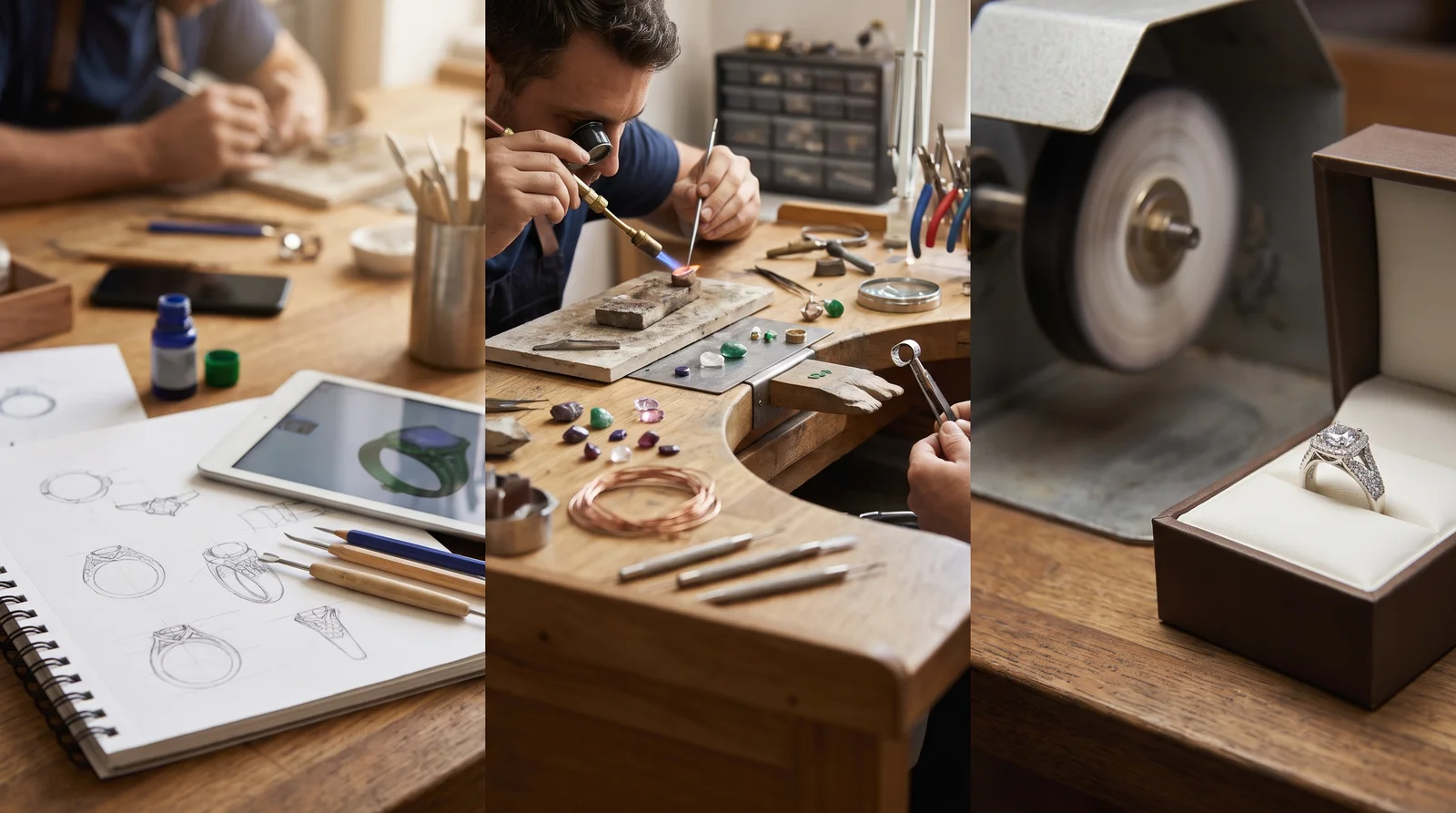
Custom jewelry work follows a clear path, and it's not as mysterious as people think. Most shops follow some version of the same five steps.
The Custom Jewelry Design Process Step by Step
First comes the consultation. You talk. The jeweler listens and asks questions about your style, budget, and timeline.
Next comes the sketch or digital render. This is your chance to see the idea on paper or screen before any metal gets touched. Then comes the wax model or 3D print, a physical version you can hold and check for size and shape.
After sign-off, the piece gets cast in metal. Finally, a jeweler sets the stones, polishes all, and does a final quality check before it reaches your hands.
Where Most Delays Happen
Delays usually happen at the sketch stage. Clients change their minds after seeing the first draft, and that's normal. A good jeweler builds in time for at least one round of revisions.
Stone sourcing can also slow things down, mainly with rare cuts or set carat weights. Knowing this upfront saves a lot of frustration later. Speaking of timelines, let's talk about how long this all actually takes.
How Long Does Custom Jewelry Take to Finish?
Most custom jewelry takes three to eight weeks from first meeting to final pickup. Simple pieces move faster. Complex ones take longer.
A basic custom pendant with one stone might take three weeks. A custom engagement ring design with a halo setting and side stones can take six to eight weeks, sometimes more if the diamond needs to be sourced separately.
Rush orders exist, but they usually cost more and limit your options. I always tell clients to start at least two months before they need the piece, mainly for engagement rings or anniversary gifts tied to a set date. That buffer gives room for revisions without the stress of a countdown clock.
Timing matters, but most people really want to know what all this costs. Let's get into real numbers.
How Much Does Custom Jewelry Cost?
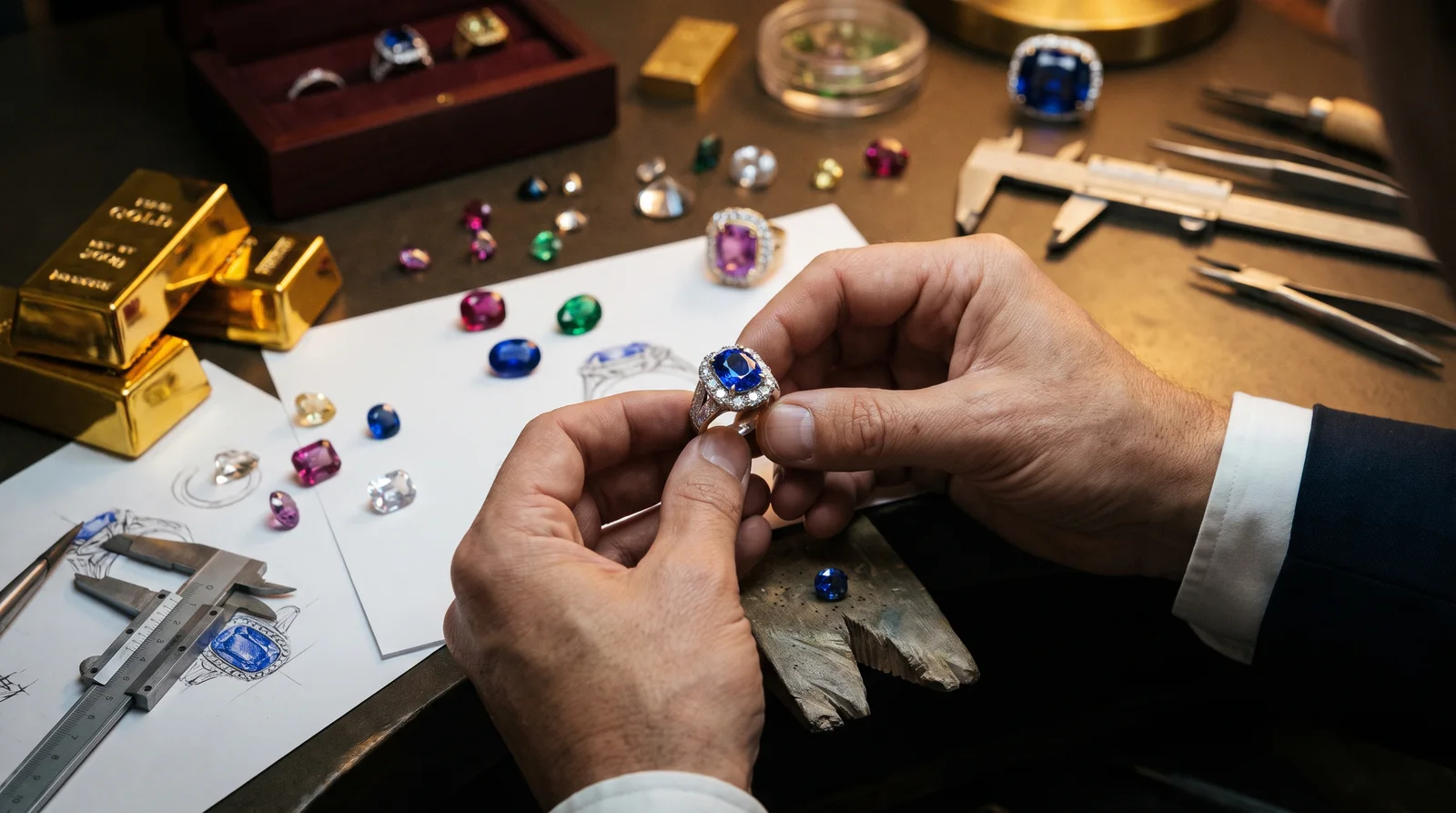
Custom jewelry cost depends on three things: metal, stones, and labor. There's no single flat price because every piece is other.
A simple custom pendant in sterling silver might run $200 to $400. Move to 14k gold with a lab diamond, and you're looking at $800 to $2,000. Custom engagement rings vary even more, often landing between $2,500 and $10,000 depending on the center stone.
A 2023 jewelry industry report found that custom pieces average about 20% more than off-the-shelf jewelry, but buyers report higher satisfaction because the fit and design match their exact taste. If you want a real breakdown of what goes into pricing a set piece, this guide on custom diamond pendant cost in Toronto shows the numbers most jewelers won't volunteer upfront.
Cost is only part of the equation though. The bigger question is whether custom is worth it at all.
What Are the Benefits of Custom Jewelry?
The benefits of custom jewelry come down to fit, meaning, and quality control. You get a piece that matches your life, not a stranger's idea of style.
You Get Exact Fit and Style
Custom pieces fit your hand, your neck, your budget, and your taste all at once. No compromise on stone shape or setting style just because it's what's in stock.
You Can Reuse Existing Stones or Metal
This is huge and often overlooked. Got an old tie pin sitting in a drawer? You can learn how to turn a tie pin into a pendant without ruining the original piece, keeping the sentimental value alive in a new form.
The same goes for heirloom stones. Resetting an heirloom diamond ring lets you honor a family piece while updating the style for daily wear. Just be careful, because there's one mistake that ruins grandma's stone more often than people realize, and it's usually rushing the resetting process without checking the stone's case first.
You Support Skilled Craftsmanship
Every custom piece supports an actual person's skill, not a factory line. That connection matters to a lot of buyers, mainly for milestone pieces like engagement rings or anniversary gifts.
Now let's look at one of the most popular custom groups out there, engagement rings.
Custom Engagement Ring Design: What Makes It Other?
Custom engagement ring design gives you full control over every detail of the ring, from the center stone to the band shape. This matters because an engagement ring gets worn every single day for years.
You choose the metal type, whether that's platinum, white gold, or rose gold. You pick the setting style, from classic prong to modern bezel. You decide on side stones, engraving, and even the profile height of the band.
A lot of clients also come in wanting to remount a diamond from a family piece into a new setting. If that's your case, it helps to know how much it costs to remount an old diamond into a new pendant or ring before you commit to a design. This keeps your budget realistic from day one.
With the full picture in place, let's answer a few quick questions people ask most often.
Frequently Asked Questions About Custom Jewelry
How does custom jewelry work if I don't have a design idea?
You don't need a finished idea to start. Most jewelers can build a design from a mood board, a Pinterest photo, or even just a color and stone preference you mention out loud.
Can I use my own diamond in a custom piece?
Yes, this is common practice. Jewelers can remount your existing diamond into a brand new setting, which often costs less than buying a new stone.
Does custom jewelry cost more than store-bought pieces?
Usually yes, by about 15% to 25% depending on complexity. You're paying for one-on-one design time and a piece built only for you.
What is the difference between custom and personalized jewelry again?
Custom starts with a blank design built around your ideas. Personalized jewelry takes an existing design and adds small details like initials or birthstones.
How long should I wait before my event to order custom jewelry?
Aim for at least two months before any big date. This gives time for revisions, stone sourcing, and any unexpected delays.
Ready to Start Your Own Custom Piece?
Custom jewelry isn't complicated once you know the steps. You bring the idea, a skilled jeweler brings the process, and together you end up with something no one else on earth owns.
Whether you're resetting a family stone, turning an old tie pin into something wearable, or designing an engagement ring from scratch, the path is the same. Talk to someone who knows the craft, ask about timelines and cost upfront, and don't be afraid to change your mind during the sketch phase. That's what it's there for.
If you've been thinking about a custom piece, now's a good time to reach out and start the conversation. The sooner you start, the sooner you're wearing something made just for you.