How to Turn Tie Pin Into Pendant Without Ruining It
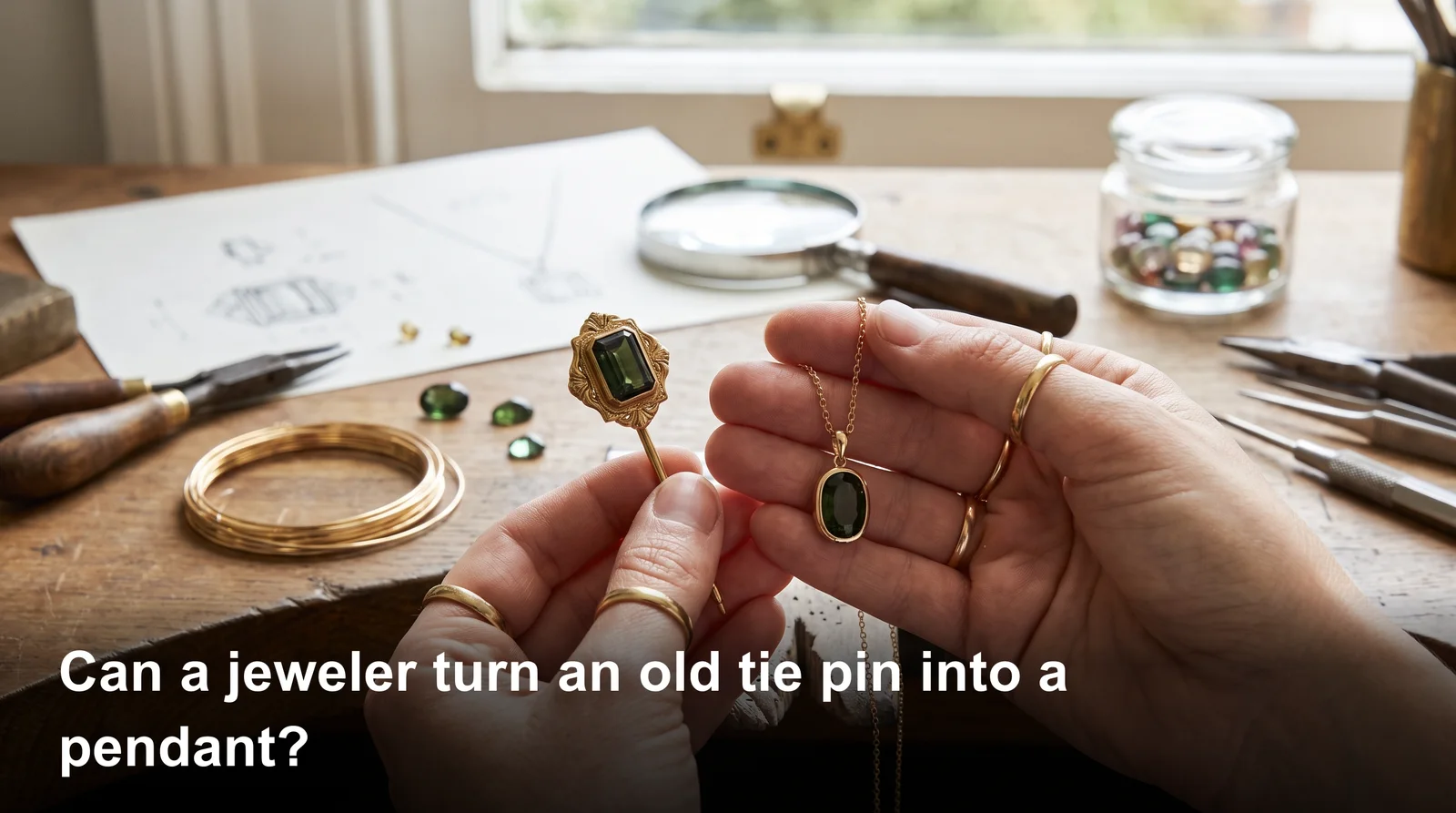
Yes, a skilled jeweler can turn a tie pin into a pendant. It's one of the most common conversions we do. The process is simpler than most people think, but a few small mistakes can ruin a piece that's been in your family for decades.
Your grandfather's tie pin doesn't have to sit in a drawer. With the right jeweler, it can become something you actually wear. Let's break down exactly how this works.
How Do You Turn a Tie Pin Into a Pendant?
You turn a tie pin into pendant form by removing the pin mechanism and adding a bail. A bail is the small loop that lets a chain pass through the piece. Most jewelers weld or solder this bail directly onto the back of the pin's head.
The stick part of the pin usually gets cut off or repurposed. Some jewelers save that metal for future repairs. Others melt it down and reuse it in a new setting.
This whole job usually takes one to two hours of actual bench work. But the planning before that matters more than the labor itself.
What Tools a Jeweler Uses for This Conversion
A jeweler needs a torch, solder, and a jump ring or bail to start. They'll also use a jeweler's saw to remove the pin post cleanly. Precision matters here because a sloppy cut can weaken the whole structure.
Most shops also use a polishing wheel at the end. This step brings back the shine that decades of storage can dull. It's a small step, but it makes a huge difference in the final look.
Why the Metal Type Changes the Process
Gold and platinum solder differently than silver does. A jeweler has to match the solder to the base metal exactly. If they don't, the bond can fail within months.
Older tie pins from the 1920s through the 1950s were often made with lower karat gold mixed with other alloys. That means your jeweler needs to test the metal first. Skipping this step is one of the biggest mistakes in any brooch to pendant conversion.
Once the metal is confirmed, the actual soldering can begin. But there's more to this than just heat and metal.
What Does It Cost to Convert a Tie Pin Into a Pendant?
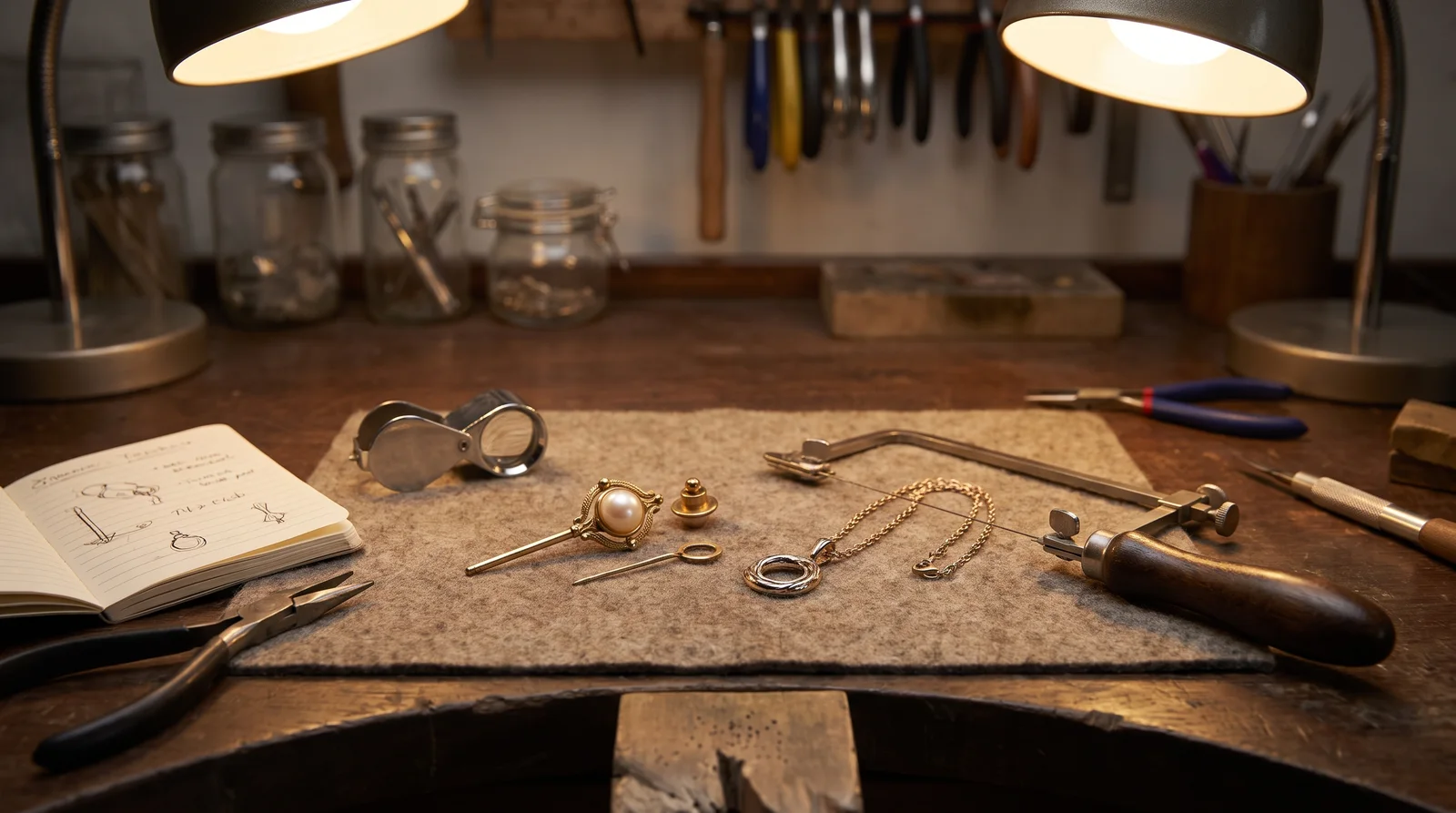
Most tie pin to pendant conversions cost between 75 and 250 dollars. The price depends on the metal, the stone, and the bail style you choose. Simple designs with basic bails sit on the lower end.
More detailed work, like hidden bails or custom mounts, costs more. If your piece has a stone that needs resetting, expect the price to climb. This is very similar to what we cover in our guide on ring resizing cost, where small changes can carry a wide price range depending on complexity.
Knowing the cost range helps you set expectations before you even walk into a shop. Next, let's talk about the actual technique jewelers use most often.
Why Solder Bail Onto Brooch Work Needs Real Skill
Soldering a bail onto a brooch or pin isn't a beginner task. The heat has to stay controlled or you risk damaging nearby stones. A rushed job can crack a stone that's survived a hundred years just fine.
This is one reason jewelry conversion jeweler experience matters so much. A shop that does this often will know exactly how much heat each metal can handle. That knowledge protects the piece you're trying to save.
Can Any Jeweler Handle a Pin to Pendant Converter Job?
Not every jeweler offers this service, and that's worth knowing upfront. Some shops only do repairs like sizing or cleaning. You want someone who clearly lists jewelry conversion work as part of their services.
Ask to see photos of past conversions before you commit. A good jeweler will have a portfolio ready to show you. This is the same care you'd want when resetting an heirloom diamond ring, since one wrong move can undo generations of sentimental value.
A jeweler with conversion experience will also check the setting for damage. That leads right into our next point about stones.
What Happens If the Tie Pin Has a Stone
If your tie pin has a stone, the setting needs a full inspection first. Old prongs can be worn thin from decades of wear. A jeweler should check this the same way they'd check prong retipping cost concerns on an old ring.
Loose stones are more common in vintage pieces than people realize. About 1 in 5 vintage jewelry pieces brought in for conversion has a stone that needs tightening first. Skipping this step risks losing the stone during the actual soldering work.
Signs Your Stone Might Already Be Loose
A stone that rattles slightly or looks tilted needs focus right away. You can also check by gently pressing the stone with a fingernail. If it shifts at all, don't wait to get it looked at.
Our breakdown on signs your diamond is loose covers this in more detail. It's worth reading before you hand over any heirloom piece for conversion.
How Do You Care for a Repurposed Pendant?
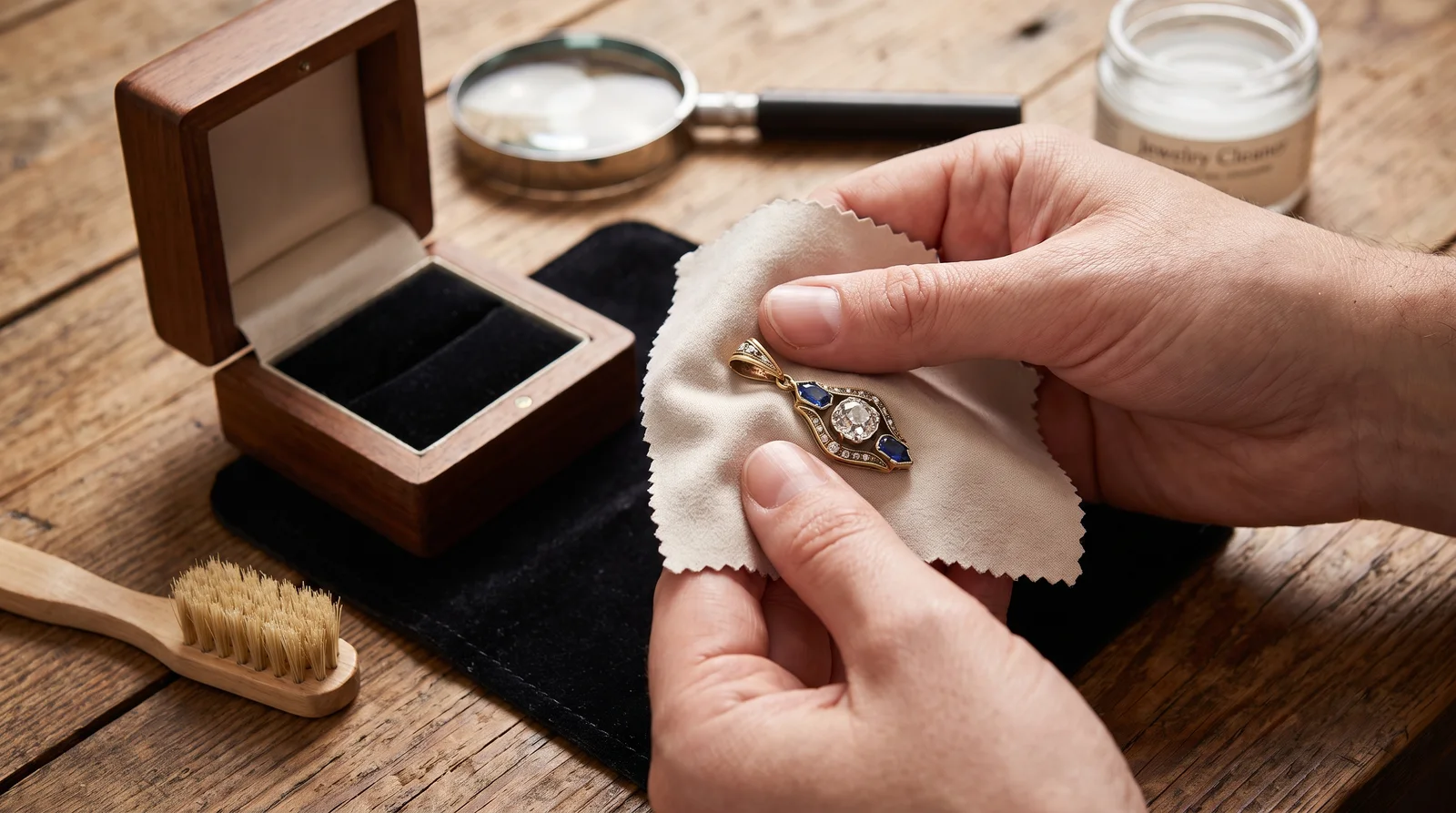
A repurposed pendant needs the same gentle care as any fine jewelry piece. Avoid harsh chemicals and ultrasonic cleaners unless your jeweler says it's safe. New solder joints can be more sensitive than the rest of the metal at first.
We always tell customers to check our guide on how to clean jewelry the right way before using anything at home. A wrong cleaning method can undo months of careful conversion work in seconds. Simple soap and warm water is usually the safest bet for the first few months.
Frequently Asked Questions
How long does it take to turn a tie pin into a pendant?
Most conversions take one to two weeks from drop off to pickup. The actual bench work only takes a couple hours. The wait time usually comes from scheduling and quality checks.
Can a stick pin become a necklace pendant too?
Yes, the process to convert stick pin to pendant is nearly identical to tie pin conversions. The main difference is the length and shape of the post being removed. Both use the same soldering and bail attachment method.
Does converting a pin damage the original metal?
A skilled jeweler won't damage the original metal during conversion. The pin post is cut cleanly and the rest stays intact. Any leftover metal can even be saved for future repairs.
Why do people repurpose old jewelry into pendants?
People repurpose old jewelry into pendants to keep family history close without leaving it in a drawer. A pendant gets worn far more often than a pin ever would. It turns a forgotten piece into something with daily meaning.
Bringing New Life to an Old Piece
Turning an old tie pin into something you can wear every day isn't complicated once you know the steps. The key is finding a jeweler who treats the process with real care, not just a quick solder job. Your grandfather's pin deserves better than a jewelry box.
If you've got a pin sitting around collecting dust, bring it in and let's talk about what it could become. Sometimes the best jewelry isn't bought new. It's the piece that's been waiting for a second chance.