The sapphire heat vs diffusion treatment buying guide that catches a costly mistake
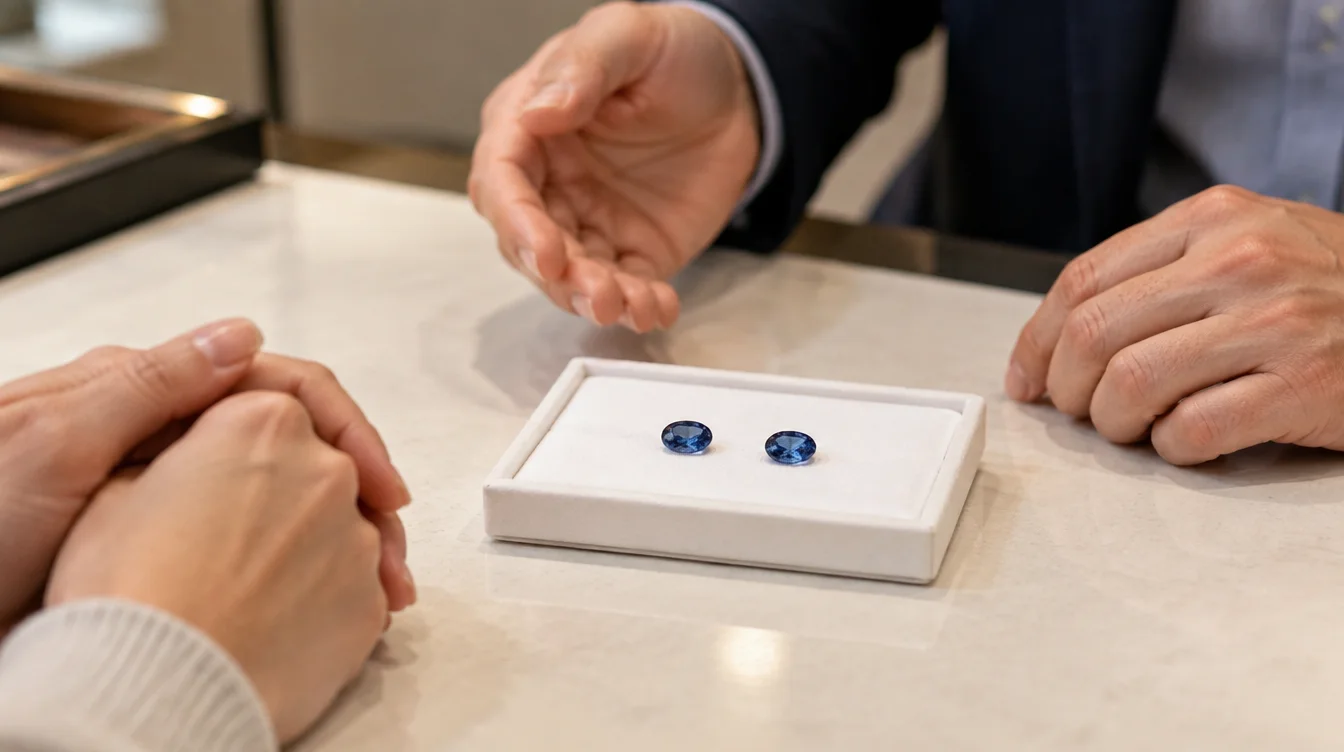
Choose a conventionally heated sapphire for lasting color without the cost of untreated rarity. A diffusion treated stone can also be a fair buy. Its treatment must be disclosed, and its price must reflect it. This sapphire heat vs diffusion treatment buying guide has one rule: get the treatment in writing before you buy. Do that even if the seller calls the stone simply “heated.”
Why does the sapphire heat vs diffusion treatment buying guide start with disclosure?
Disclosure tells you how the sapphire got its color. Conventional heat changes properties already in the stone. Diffusion uses heat and added elements to make or change color in its crystal structure. Both stones can be natural corundum. Yet “natural sapphire” does not tell you which treatment was used. That matters when you compare stones or plan repairs. The sapphire treatment overview from Rezagem Collection makes that distinction clear.
Ask the seller to put the treatment on the invoice. A conversation is not enough. If it says “heated,” ask if that means heat alone or includes diffusion. Then you can compare the stones fairly.
How do conventional heat and diffusion compare?
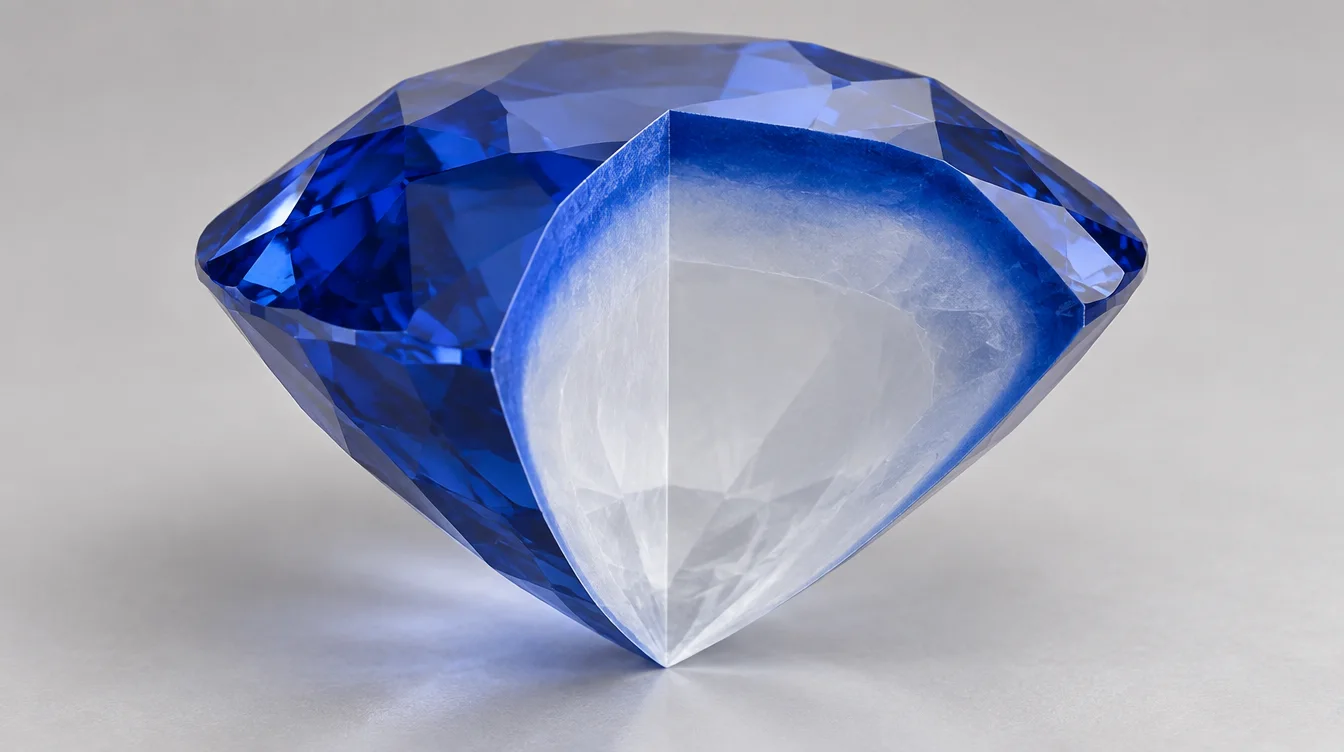
Heat treated vs diffusion treated sapphire describes how color changed. It does not tell you if the stone is genuine. Conventional heat may improve color or make some inclusions less visible. Diffusion adds elements that cause color during heating. Buyers should check the disclosure and how the market treats each stone. They should also ask what repolishing might change. The Natural Sapphire Company’s treatment overview describes both processes and how deeply color can reach.
What titanium diffusion can mean for future repairs
Titanium diffusion can leave strong blue color near the surface. If a diffusion treated sapphire is chipped and recut, polishing may remove some color. The result depends on how deep the color goes. It also depends on how much the cutter removes. Even a small polish is not always harmless. Tell the jeweler about the treatment before work begins.
Why beryllium diffusion needs its own question
Color in a beryllium treated sapphire can reach deeper than color from titanium diffusion. Beryllium has been used to make orange or golden hues, according to the same treatment overview. Deeper penetration does not tell you that every future cut will preserve the color. Ask which process was identified rather than treating all diffusion as a thin coating.
Appearance alone cannot answer those questions. Check the paperwork next.
What should a sapphire lab report actually say?

A sapphire lab report should identify the material. It should also state what the lab found about treatment, within the tests it performed. Read the exact words, including limits and comments. “No evidence of heat treatment” does not mean “never heated.” A finding of “heated” does not answer every question about added elements. If diffusion matters to you, ask if the lab tested for it. Check whether the report gives a clear result.
Check that the report belongs to the stone. Compare its weight and measurements with the seller’s details. Check the report photo if it has one. Use the issuing lab’s report lookup when available. If the listing and paperwork differ, ask why before paying. A report records findings on the stone examined. It does not set a fair price or predict how a jewel will look after repair.
Keep the report, invoice and written treatment statement together. Once the description is clear, you can judge the asking price on the right terms.
Which treatment makes sense for your budget?
A conventionally heated sapphire often suits a buyer who wants attractive color for wear. An unheated stone may suit someone who will pay more for rarity. A diffusion treated sapphire may fit a tighter budget. Its look, disclosure and price must still make sense. None is always the right buy. Compare color, cut, size, condition and treatment before comparing prices.
To compare heat treated vs diffusion treated sapphire, picture two stones. Both look equally pleasing in the same light. One invoice says conventional heat. The other says titanium diffusion. If their prices are close, ask what the diffusion stone offers you. Ask what a future repolish could change. This is an illustrative choice, not a claim about any quoted market price.
Heat treated sapphire value depends on how the stone looks, not just its label. An unattractive heated stone is not a bargain because diffusion stones exist. Treatment alone cannot settle heated vs unheated sapphire prices either. Fine unheated stones may cost more. Compare stones of similar quality before deciding if the extra cost is worth it. For a ring you often wear, its look and clear disclosure may matter more than an untreated claim.
A price helps only when the seller can explain it. Keep that in mind before paying.
What should you ask before paying?
Ask if the sapphire is natural or laboratory grown. Then ask for every known treatment by name. For a costly stone, request the sapphire lab report. Check that it matches the seller’s written description. If diffusion was used, ask if the seller knows which element was added. Also ask who should assess the stone before any recut or repolish.
A careful seller may not know every detail without further testing. That is better than a confident guess. If a treatment claim matters to the price and the paperwork leaves it unclear, make the sale conditional on suitable independent testing or choose another stone. These questions also answer the most common doubts buyers bring to the counter.
Common questions about treated sapphires
Quick checks may help you ask better questions. They cannot replace clear treatment disclosure. These answers can help.
How to tell if a sapphire is heat treated?
If you wonder how to tell if a sapphire is heat treated, do not trust color or a phone photo alone. Gemologists study features inside the stone and may need more tests. Ask for an independent report if treatment affects your choice. The Rezagem Collection guide explains why visual clues need care.
Can a diffusion treated sapphire still be natural?
Yes. A diffusion treated sapphire can be natural corundum whose color was later changed. “Natural” and “untreated” are separate claims, so ask for both in writing.
Does beryllium treated sapphire always lose color when polished?
No such rule follows from the treatment name. A beryllium treated sapphire may have deeper color penetration than a titanium diffused stone, but the result of polishing depends on the individual stone and the work done.
Why does heated vs unheated sapphire matter if both look good?
Heated vs unheated sapphire matters most when you are paying extra for rarity. If your priority is appearance for a set budget, compare the actual stones rather than assuming the untreated label wins. That brings the decision back to evidence, price and your plans for the jewel.
Buy the treatment you meant to buy
A lovely sapphire need not be untreated to deserve a place in your jewelry box. But its description should be as clear as its color. Before you commit, ask for the exact treatment wording, check the report against the stone and keep the seller’s answer on your invoice. If those pieces do not agree, pause the purchase. Another sapphire will come along.