How to restring gemstone bracelet with clasp Without Losing the Fit
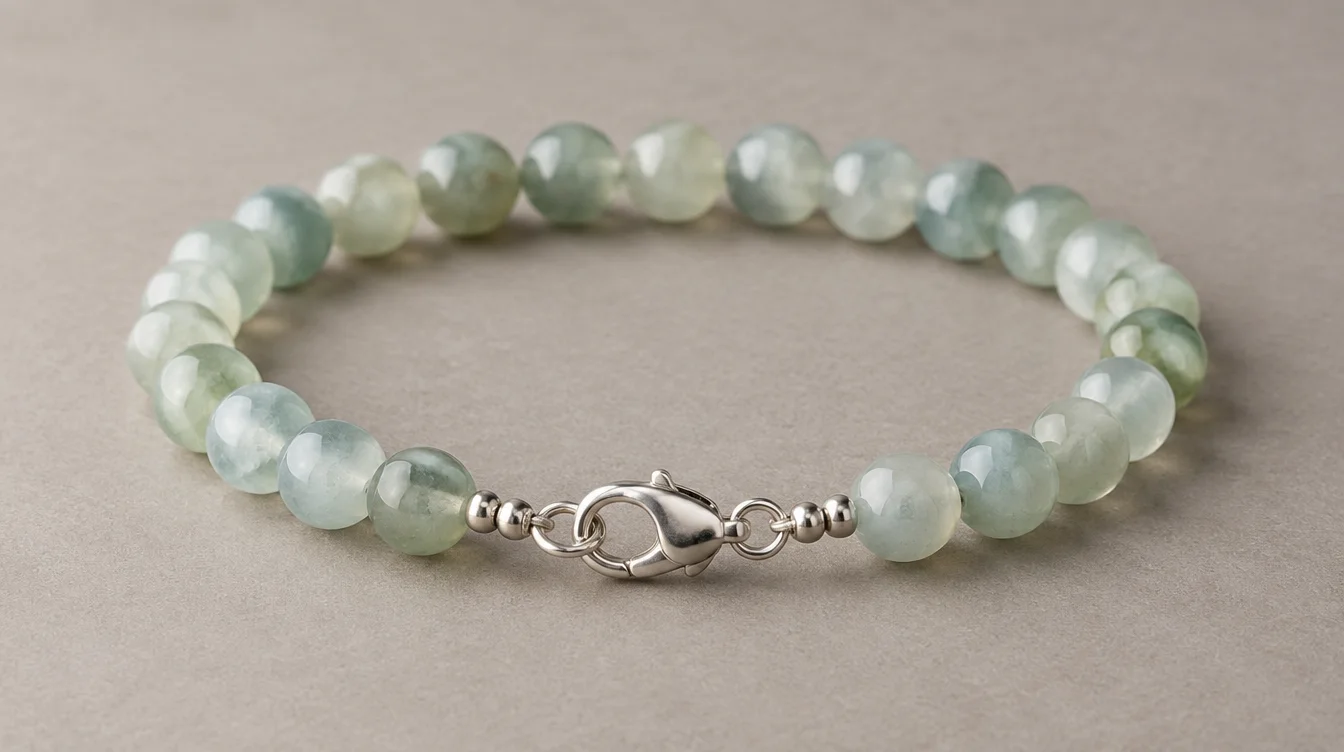
Yes, you can restring gemstone bracelet with clasp if the bead holes accept a suitable stringing material and the beads are sound. The clasp needs secure connections at both ends, and the new bracelet must be measured from end to end. A clasp cannot simply be tied onto the old elastic without changing how the bracelet fits and moves.
When does a clasp conversion make sense?
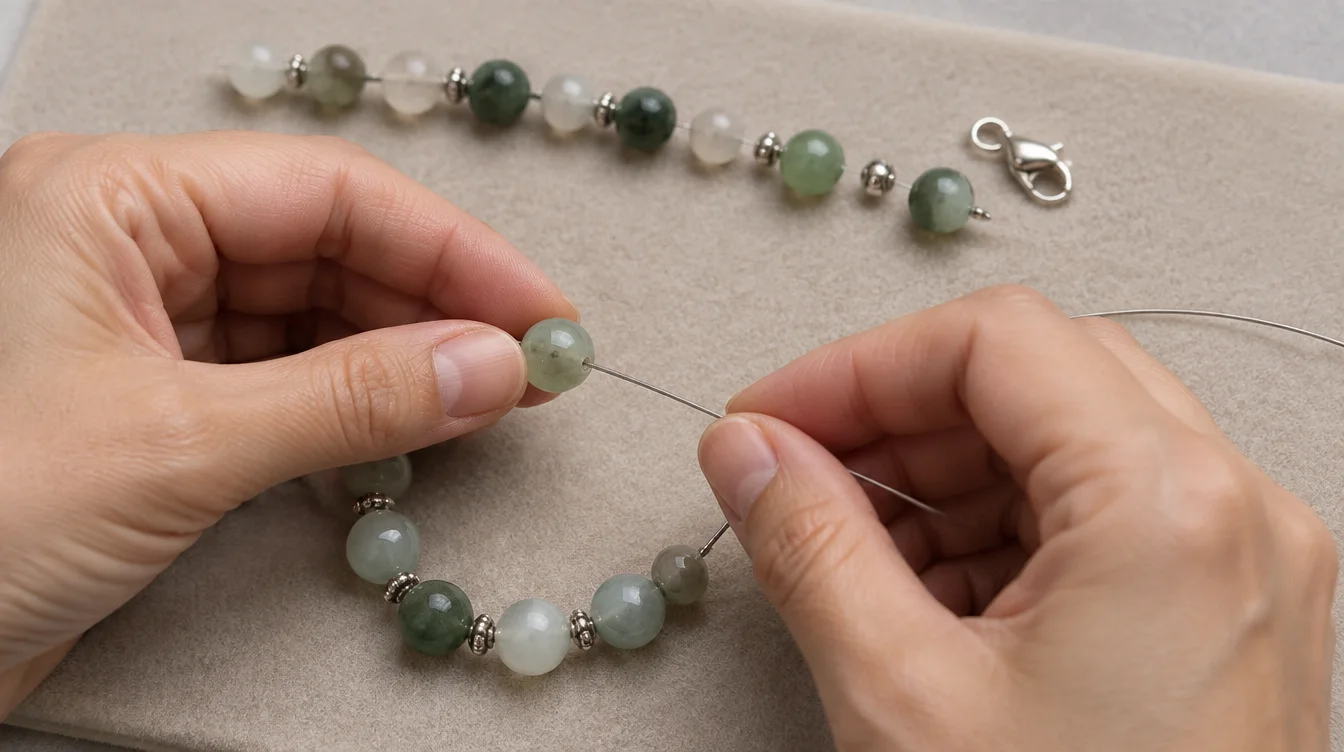
A clasp conversion makes sense when you want to keep the gemstones but no longer want to pull the bracelet over your hand. It is a rebuild, not a small stretch bracelet repair. The elastic comes out, the beads are checked, and a new strand is made with a closure.
Think about what bothered you. If only the elastic is worn, a new cord may suit you better. A clasp may help if the bracelet catches on your hand or feels tight when stretched. You will need to fasten it each time.
One repairer describes converting two stretch bracelets by removing the elastic, adjusting the size, restringing the beads, and adding sterling silver clasps. That example shows why gemstone bracelet restringing and fit belong in the same conversation. First, though, find out whether your beads can handle a new strand.
Which bead holes can take a new stringing material?
A clasp conversion is practical only if the bead holes can take a new strand. The material must pass through without force. Rough hole edges must not damage it. Check every bead, not just the first one.
Check the opening and the edges
Take a clear photo of each end bead before removing anything. Once the bracelet is apart, look for chips around the holes and feel for rough rims. A bead that slides onto wire may still have an edge that wears through it. In one maker’s account of broken stretch bracelets, sharp gemstone holes cut the elastic. It is a reason to inspect your beads, not proof that every gemstone bracelet will fail.
Check whether the design can bend
Round beads usually let the strand curve around your wrist. Long tubes, packed shapes, and large flat beads may resist that curve. If the bracelet already feels stiff, a less flexible strand may make it stiffer.
Do not enlarge a gemstone hole just to fit thicker wire without discussing the bead’s condition with a jeweler. A chipped, fragile, or treasured bead calls for more care than a standard spacer. Once the beads pass these checks, choose the strand that suits their weight and shape.
Should you choose beading wire or another material?
Flexible beading wire often suits a clasped gemstone bracelet, but not every design. In beading wire vs elastic cord, the main difference is how you wear it. Elastic stretches over your hand. Wire needs a clasp and keeps a more fixed length.
For gemstone bracelet restringing, ask the maker to test the wire with your beads. It should pass through each hole and curve without a sharp kink. Thick wire may not fit. Wire that is too fine for the bead weight and design may not be a sound choice either.
What does wire size depend on?
No single beading wire size for gemstone beads fits every bracelet. Hole diameter, bead weight, wire construction, and end fittings all matter. Holes can vary within one bracelet. The smallest usable hole sets a limit.
Thread or cord may suit some designs. Each needs a closure method made for that material. If you are unsure how the beads will hang, ask to see a short sample strand. Then check how its ends will attach.
How should the clasp ends be attached?
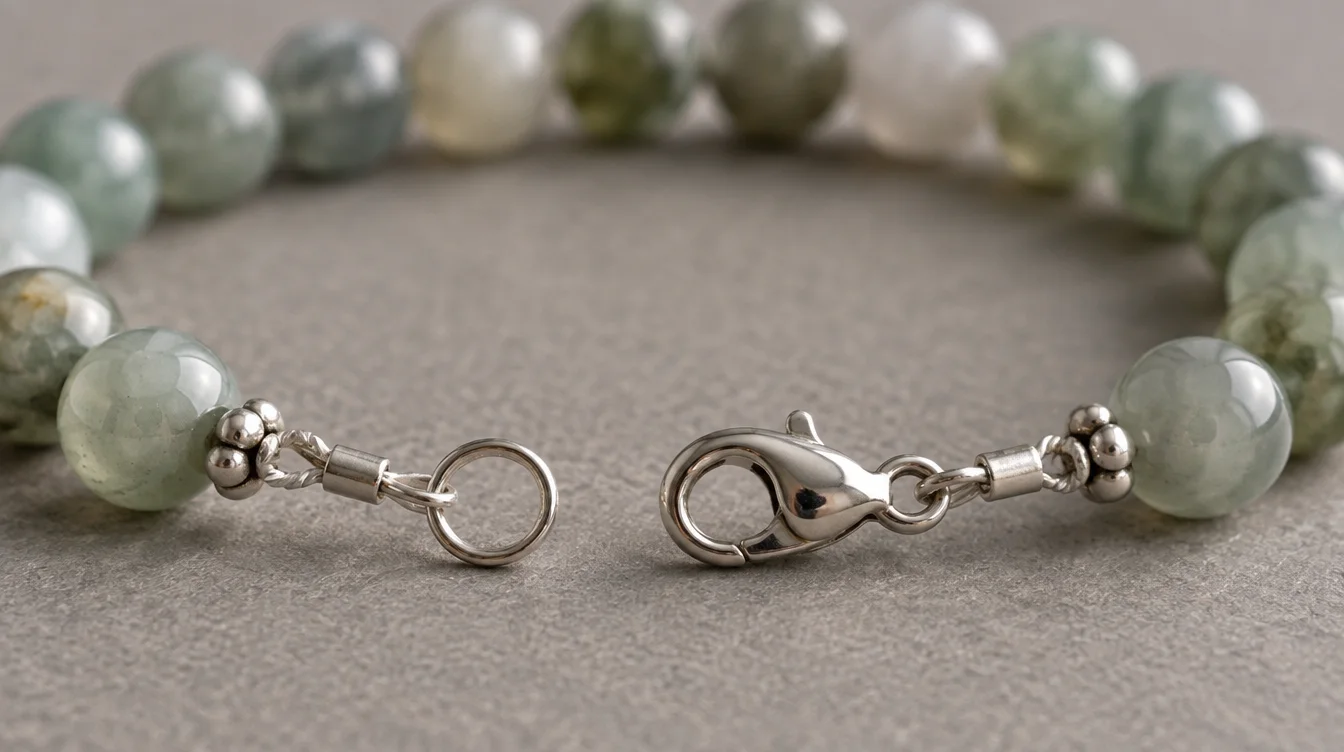
A clasp conversion needs two secure strand ends. A clasp joined to loose elastic knots is not enough. With suitable beading wire, a maker can form a loop at each end. A crimp made for that wire holds each loop. The crimp, loop, connecting ring, and clasp should work as one assembly.
Look beyond the clasp itself
A sturdy clasp cannot make up for a poor crimp or an open connecting ring. Ask how the end beads sit beside the fittings and whether the wire bends too sharply at either loop. Those small spaces take strain whenever you put the bracelet on.
Keep the end beads in mind
A large hole can slip toward a small crimp or end fitting. A suitable spacer may help separate the gemstone from the hardware, but it also adds length. Show the maker the bead order you want to keep before those parts are chosen.
Choose hardware you can use
The best clasp for beaded bracelet wear is one you can fasten with your other hand and trust to stay shut. A lobster clasp can be fiddly. A toggle may be easier to use, but it needs enough tension and the right fit to stay engaged. Try the closure on your wrist before approving the rebuild.
Secure ends matter only if the finished bracelet has room to sit well. Measure the full design before any bead is removed or added.
Why does the finished length change?
A clasp and its connections add length that elastic did not. The bracelet also loses the stretch that helped it pass over your hand. Check the fit on your wrist. Do not rely on the size of the relaxed elastic circle.
This is an illustrative layout, not a fit recommendation. Suppose 21 beads each take about 8 millimeters on a straight strand. The bead run is about 168 millimeters. Add a 15 millimeter clasp and two 5 millimeter end connections. The straight layout totals about 193 millimeters. Curved beads, gaps, and the closed clasp can change how the bracelet feels.
That calculation exposes an easy mistake: adding hardware without removing beads may leave the bracelet too loose. Removing one bead might disturb a color pattern or make the clasp sit off center. Have the maker lay out the bead order and test the closed length before finishing the ends.
If keeping every bead matters more than keeping the old fit, say so at the start. That preference shapes the final choice between conversion and another stretch bracelet repair.
Common questions about clasp conversions
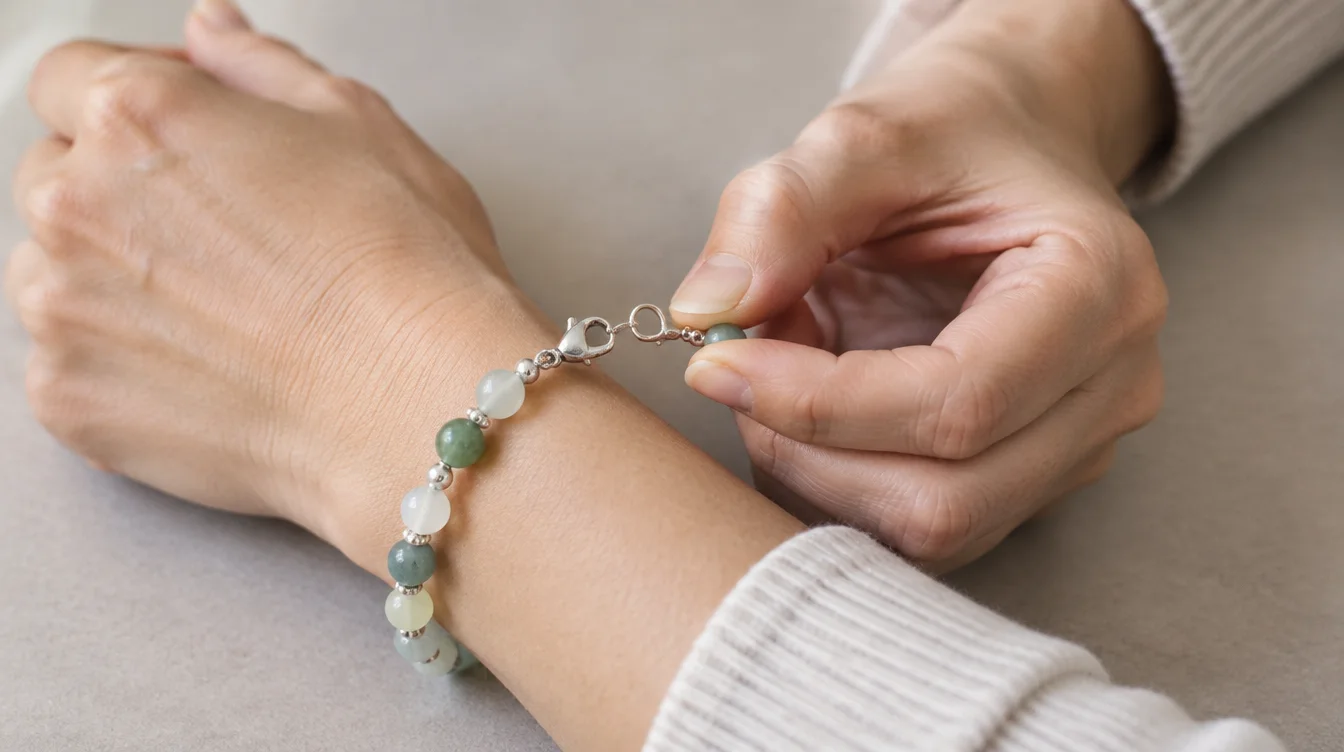
Most conversion questions come down to fit, materials, and daily use. These quick answers can help you decide what to ask a maker.
Can you add a clasp to a stretch bracelet without restringing it?
Usually, no. A lasting conversion needs a new strand with ends made for the clasp. If you ask, “can you add a clasp to a stretch bracelet,” expect the maker to check the beads and plan a rebuild.
What is the best clasp for beaded bracelet wear?
The best clasp for beaded bracelet wear depends on your hand movement, the fit, and the bead weight. Try fastening a sample yourself. It must be easy to use and stay closed during wear.
How do I choose a beading wire size for gemstone beads?
Choose beading wire size for gemstone beads by testing the smallest hole and the strand’s curve with the actual beads. Do not choose by bead diameter alone, since hole sizes can differ.
Does beading wire vs elastic cord change how the bracelet feels?
Yes. In beading wire vs elastic cord, wire keeps a set length while elastic gives as your hand passes through. That difference is why the clasped version needs a fresh fit check.
If those answers point toward a rebuild, bring the whole bracelet to the maker, including any loose beads.
Make the conversion decision with the beads in hand
You can restring gemstone bracelet with clasp if the holes are sound, the strand bends well, and the closure suits your wrist and hands. Before work starts, ask about the material, end attachments, bead layout, and closed length. If the holes are rough or the design will not curve well, new elastic may suit you better. Bring every bead to a jeweler or experienced bead repairer. Ask for those checks before you accept a conversion quote.