Choosing niobium or titanium for sensitive ears? The post matters more than the color
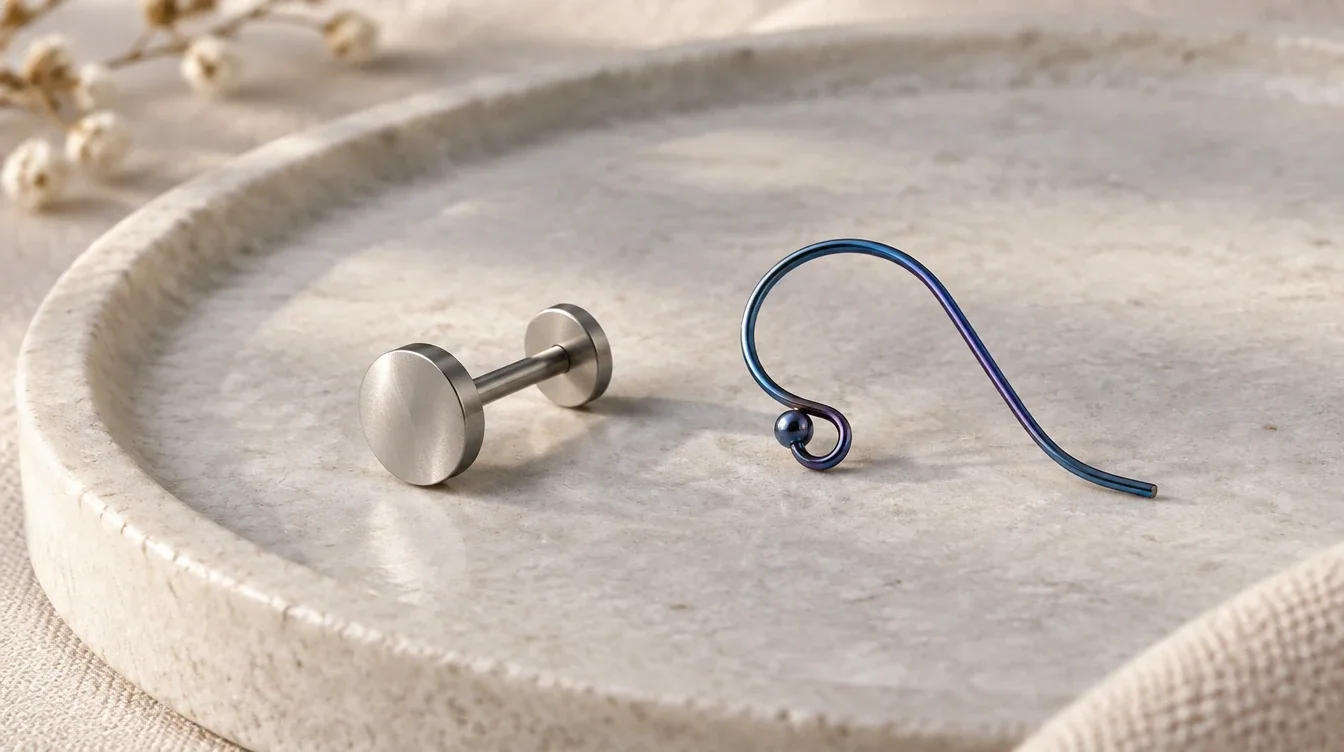
For most new or easily irritated piercings, start with documented implant grade titanium. Choose a smooth style that fits well. Niobium is also a sound choice if a trusted maker names its material. The design must suit your piercing, too. When choosing niobium or titanium for sensitive ears, check every part that touches skin. Neither metal can make a tight post or an unrelated allergy harmless.
How to choose niobium or titanium for sensitive ears
First, check whether your piercing is healing or healed. Then compare the finished earrings. A healing piercing leaves less room to guess about fit, finish and material. A healed piercing may give you more choice of shape, as long as your ear tolerates it.
Ask a professional piercer to show you titanium jewelry. It should have a stated implant specification. The sensitive ears material guide names ASTM F136 titanium and ASTM F67 commercially pure titanium as specified options. A listing that says only “titanium” gives you less to check.
Niobium may suit you if you like its feel or a trusted maker’s design. It is not a lesser choice just because more piercing studios use titanium. Still, a listing that says only “niobium” leaves gaps. Ask about the post, back, finish and fit.
Two pairs may look alike from the front. One has an identified titanium post and back. The other has a niobium front, but its seller cannot name the post material. The first pair gives you more to judge, even if you prefer the second design. The part inside your piercing matters most.
Why the metal touching your piercing matters most
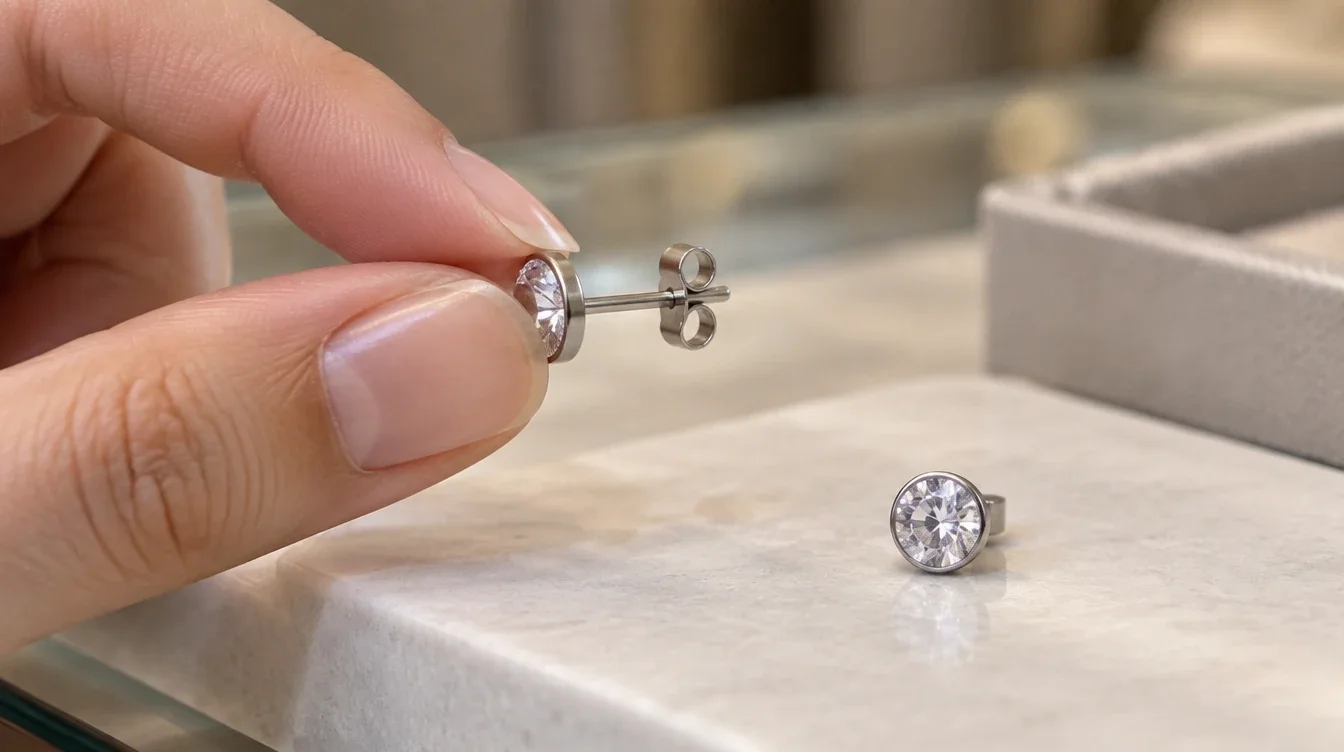
The front does not tell you what sits inside your piercing. Check the post or wearable section, the back and any surface against your ear. Decorative parts may use a different metal from the post. Ask about each part instead of relying on one broad material label.
A blue stud may be sold as “titanium earrings.” Is the post titanium, or only the blue front? Does the back match? If another metal part joins the front to the post, ask what it is. A good seller should be able to explain the finished piece in plain words.
Check niobium earrings for sensitive ears the same way. A hook may be one continuous wire. If so, you may have enough detail to judge its material. A stud with a separate post needs more detail. Do not assume every part is niobium just because the listing names it once.
Check finishes, too. A coating may separate your skin from the metal beneath it when earrings are new. That does not tell you what may touch your ear once the surface wears. The sensitive earrings overview notes that worn plating and unnamed parts can cause problems. Pressure and rough posts can, too.
A clear material claim helps you compare earrings. It does not prove that a finished pair will feel good on your ears. Fit can change that answer, especially while a piercing heals.
What changes when a piercing is new or healing?
For a new piercing, put a suitable build and professional fit ahead of color or shape. The jewelry needs room for the tissue. Its wearable surface should be smooth. It should stay steady during normal wear. Metal is only part of the choice.
Why titanium is the easier starting point
Documented implant grade titanium earrings give you a clear specification to ask for. The piercer’s guide to sensitive ears favors implant grade titanium for new piercings when it meets a recognized standard. The guide also stresses finish, threading, wearable surface and fit. A qualified piercer can help you choose the whole piece.
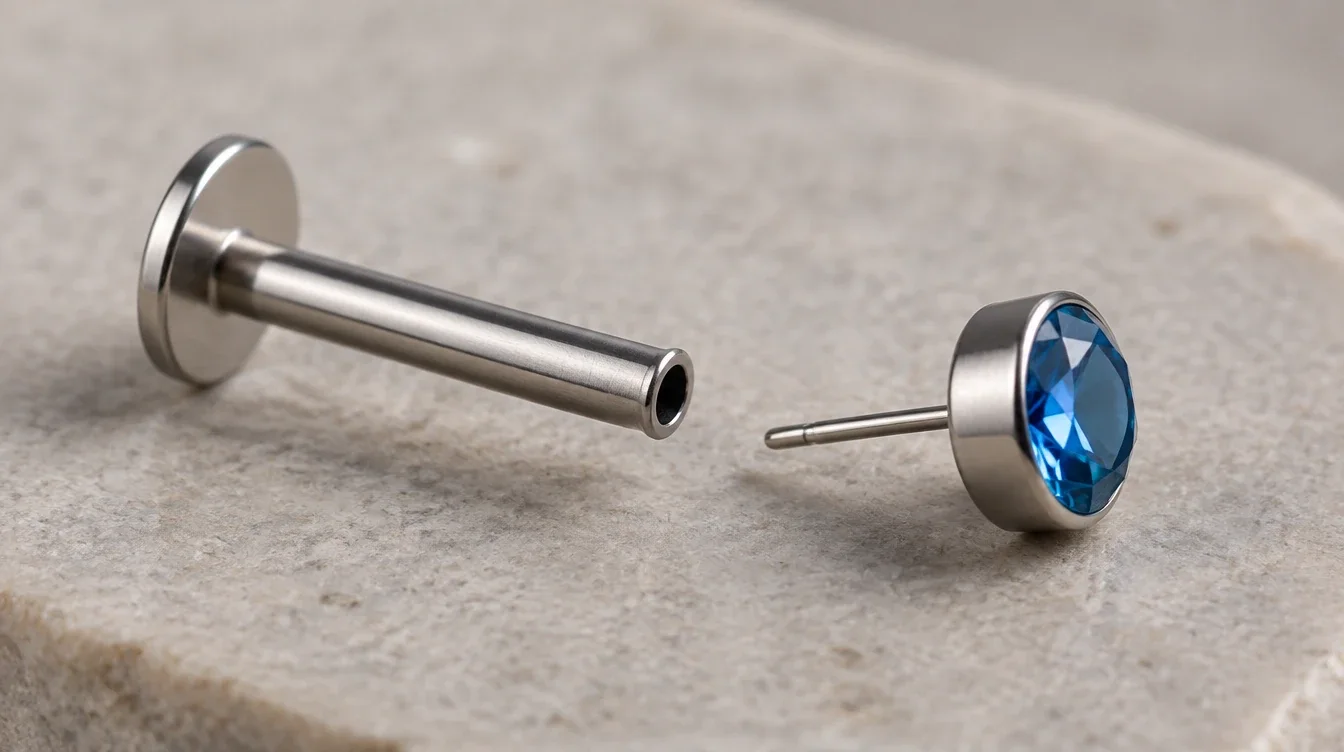
Titanium is practical when weight matters. A small lobe stud may feel much the same in either metal. Weight may stand out more in a larger piece or one worn in cartilage. Compare finished earrings, not just metal names.
When niobium can make sense
Niobium may suit a new piercing in the right design. Do not choose it on material alone. The same piercer’s guide describes it as an option for established piercings and, in the right style, for many new ones. Ask your piercer if the piece suits your placement and stage of healing.
Keep that distinction in mind when shopping online. A niobium wire earring may appeal to you, but a hook is not always right for a new piercing. Shape and movement matter. If you cannot confirm those details, ask your piercer before buying.
For the best earrings for new piercings, a metal name is not enough. Choose a documented piece with a good finish that a skilled piercer finds suitable. Once the piercing has fully healed, test how it feels in daily wear.
How do titanium and niobium compare for daily comfort?
Titanium is usually the lighter choice for a finished earring. Niobium may offer a design you cannot find in titanium. Weight is only one part of comfort. Size, balance, post length and back pressure may matter more. The weight gap between two simple studs may be small.
Weight depends on the whole design
The piercer’s guide describes niobium as heavier and softer than titanium. That does not mean every niobium earring feels heavy. A small niobium hook differs from a large titanium drop. Compare the pieces you would wear.
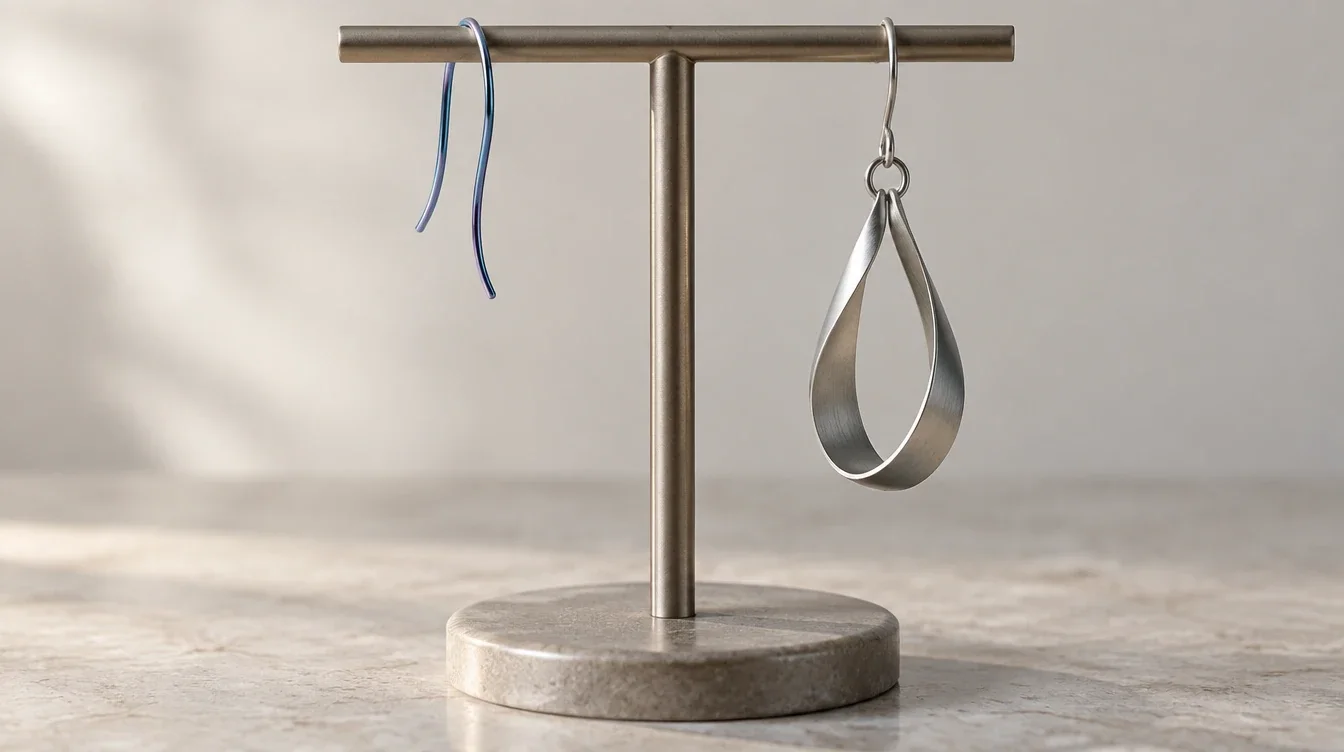
Compare a tiny niobium stud with a broad titanium hoop. The metal name alone cannot tell you which will tug more. The hoop’s size and movement may matter more. With two similar studs, the metal difference may be easier to feel.
If your lobes feel sore after a full day, find where it hurts. Does the earring pull down or press from behind? A lighter front may reduce pulling. Moving the back may ease pressure. Neither will fix a post that is too short.
Shape and finish deserve equal attention
A smooth post should pass through a healed piercing without scraping. Once worn, the jewelry should sit without a back digging into the lobe. For a healing piercing, let your piercer assess the needed room rather than trying to achieve a close fit yourself.
Threaded or threadless jewelry needs a secure connection. If a top feels loose, do not twist or bend it in a sore piercing. Have someone check the piece. Better fit should improve comfort; force will not.
Even the best metal for sensitive ears will not help if the earring pinches. Compare the post, back and front as one piece. Then consider how each metal holds up to the way you wear jewelry.
Which metal suits your preferred earring style?
Choose titanium for a light, durable everyday piece. Consider niobium if a trusted maker has a design that suits your healed ear. For a healing piercing, ask your piercer to approve the piece. Both metals come in colored styles. But color alone should not guide what you buy.
Niobium’s softness can suit formed wire designs. Handle a delicate piece with care. Titanium is often used in small piercing jewelry. These pieces hold their shape during regular wear. Neither trait tells you if a handmade or factory made earring has a good finish.
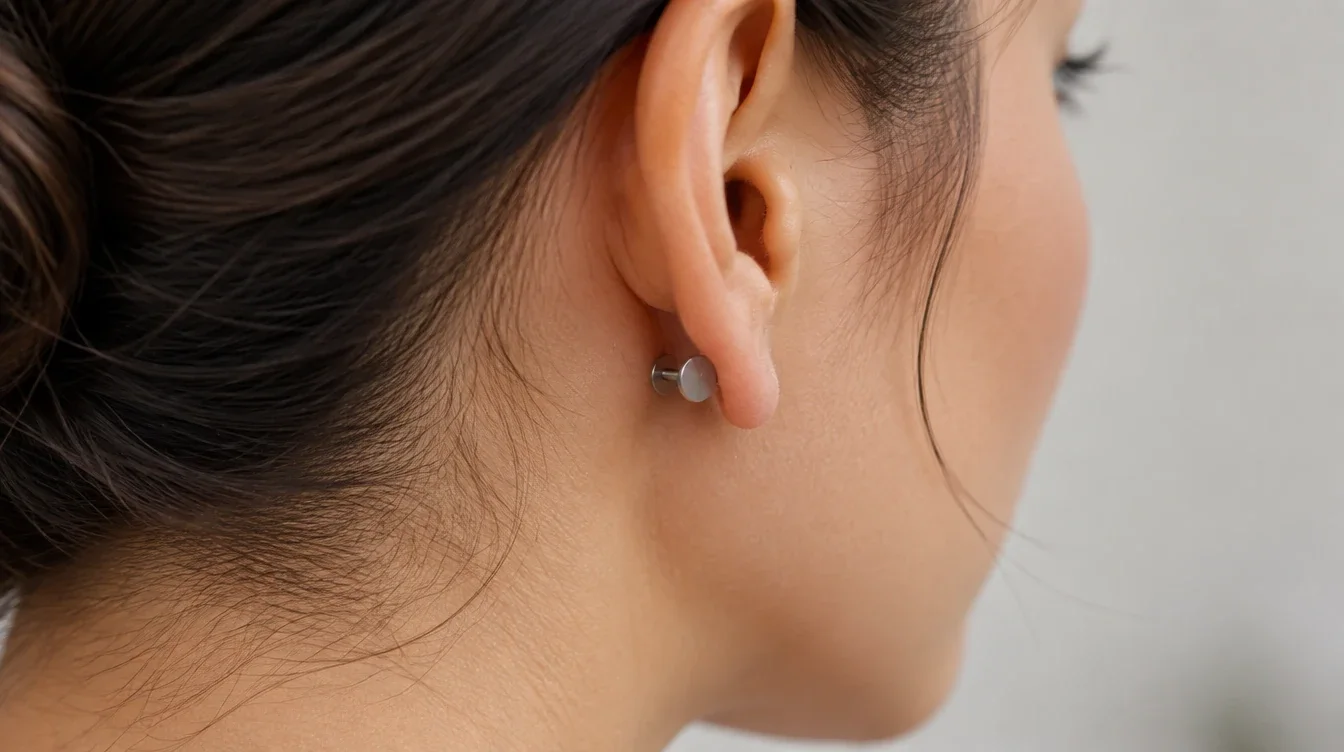
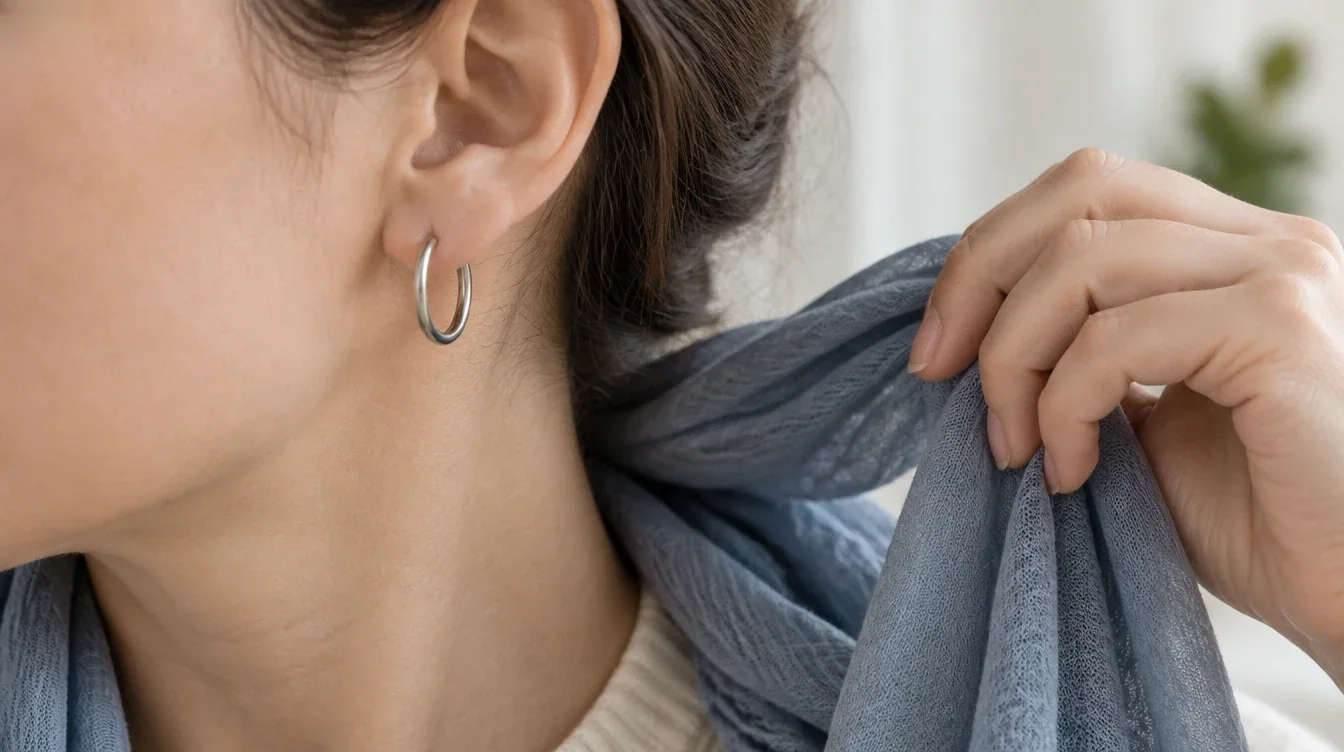
Look at the shape you plan to wear. A small stud sits close to the ear. A hoop moves and may catch on hair or a scarf. A long drop can pull on the piercing, even with a light hook. These are design tradeoffs, not allergy ratings.
For colored earrings, ask how the color was made. The piercer’s guide says titanium and niobium can be anodized. This changes their surface color without paint or plating. Ask if the colored area is anodized. Also ask if another finish sits on the wearable part. Neither answer promises how the color will age.
Niobium earrings for sensitive ears may appeal if you like a well made design. Check every part that touches skin. Implant grade titanium earrings may appeal when a simple style has a documented specification. That style must also fit. Looks matter, but the pair must suit your ear.
What should a product listing tell you?
A useful listing should name the wearable post and back materials. Calling the pair “hypoallergenic” is not enough. It should describe the finish and give sizes. You can check those sizes with a piercer if needed. If a key detail is missing, ask before buying.
Read beyond the headline material
“Titanium front” does not mean “titanium post.” “Niobium earrings” may describe the hooks, the decorative wire, or both. Ask directly: “What material touches the piercing and the back of my ear?” Ask for the answer in writing if the listing is vague.
For titanium, a named material standard says more than an adjective. ASTM F136 names a specified titanium alloy used for implants. ASTM F67 names commercially pure titanium, as the material comparison explains. A listing claim is not independent proof. Ask the maker what documents support it.
“Implant grade” does not mean every earring will suit every person. The term names the material specification. A rough edge or wrong length can still cause trouble. So can your own sensitivity.
Check the actual wearable dimensions
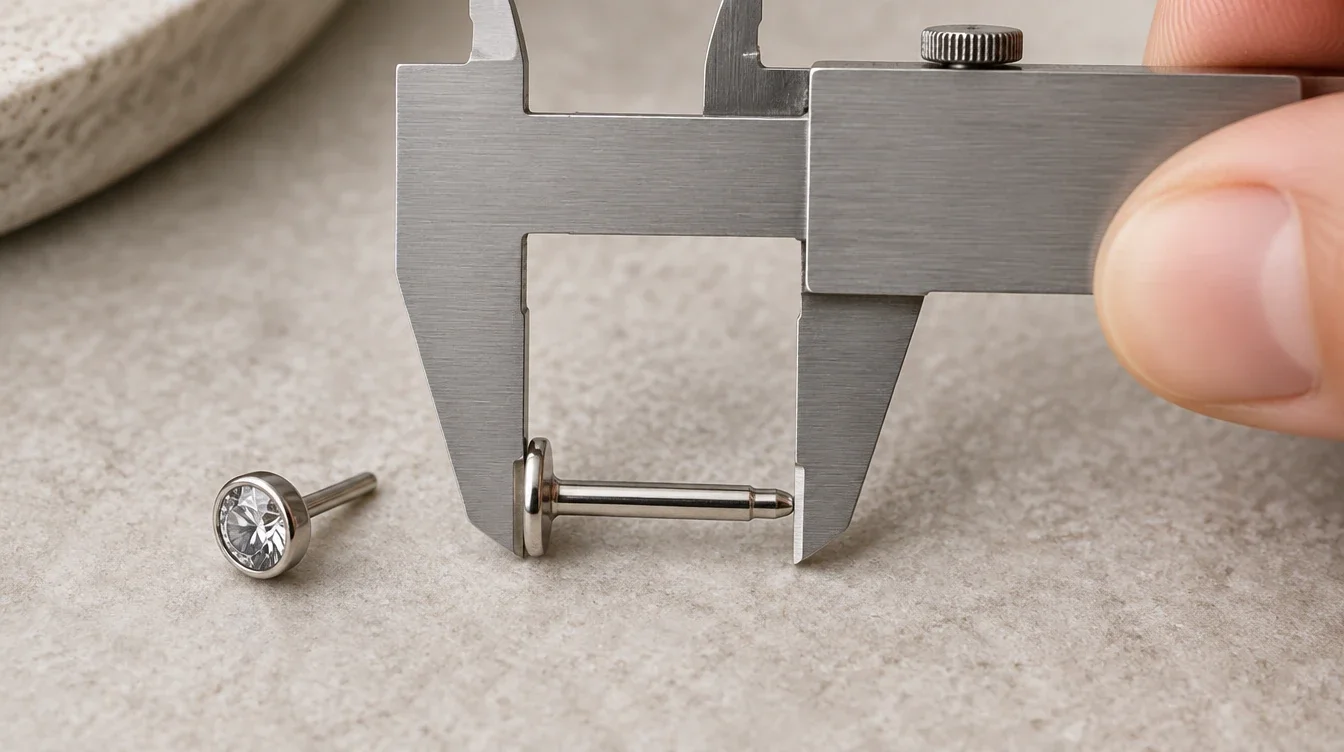
Ask about post thickness and wearable length when buying a stud or other piercing jewelry. A piece that looks small in a photo may not fit your piercing. Do not guess from the front diameter, and do not force a post that feels too wide.
For a healing piercing, your piercer can match those sizes to your ear and any swelling. For a healed lobe, compare them with a pair you wear with ease. If a seller cannot give basic sizes, consider one who can.
These questions make choosing niobium or titanium for sensitive ears easier. You can compare two finished pairs rather than two marketing claims. That helps if nickel has caused trouble before.
What if you suspect a nickel allergy?
If you suspect nickel allergy, look for named skin contact materials. Ask a clinician about testing instead of judging from one reaction. Nickel is a common jewelry concern, but soreness does not prove an allergy. Tight backs, rubbing and product buildup can feel similar.
When shopping for earrings for nickel allergy, watch for vague terms. “Surgical steel” does not mean nickel free. The doctor’s guide to safe metals notes that 316L steel contains nickel. It may be a less reliable choice for someone who knows they react to it.
Titanium and niobium piercing jewelry from trusted sources can help you avoid nickel in the named metal. That does not rule out an unknown back, solder or decorative finding. Check every part that touches your skin.
If one pair bothers you but another does not, note what each contains. Note where it hurts: under the back, around the hole, or where a large front touches your lobe. This may help a clinician or piercer ask better questions. It cannot replace patch testing for an allergy.
If your ear already hurts, pause before buying another pair. First, find out what needs attention.
How can you tell whether the issue is metal or fit?
Symptoms alone often cannot show whether metal, fit or something else is to blame. Look for clues, but do not diagnose yourself. Itching where metal touches skin differs from a deep mark left by a tight back.
Check pressure and movement first
A tight back can make your lobe tender even if the post material suits you. A post that is too long may move, catch hair or shift during sleep. The piercer’s discussion of fit names both short and long posts as possible causes of trouble.
Do not force a tight back closer or keep changing jewelry in a new piercing. Ask your piercer to check the fit. With a healed lobe, remove an uncomfortable pair. Check its post for damage before wearing it again.
Consider what else touched your ear
Hair products, skin products and moisture can gather near an earring back. Headphones, a phone or a scarf may add friction. If one shape hurts while another in the same metal feels fine, check the design.
An allergy is still possible. Something other than nickel could cause it. If reactions keep coming back, ask a clinician about patch testing. That is better than trying one “hypoallergenic” pair after another.
Know when to seek care
A new piercing needs medical care if pain grows or it feels very hot. Spreading redness, pus or fever also call for care. Do not treat those signs as ordinary sensitivity. The earring irritation guide explains how allergy and pressure differ from signs that may suggest infection.

If a healing piercing worries you, ask a clinician or professional piercer for advice. Do this before removing its jewelry. What you buy next depends on the cause. Once you know it, you can choose with that cause in mind.
A practical way to compare two pairs before buying
Compare two pairs in this order: contact materials, fit, finish, weight and intended use. This is a shopping guide, not a medical score. It helps you spot missing facts, even when you like the color.
Start with what you can verify
Pair A is a small titanium stud. Its maker names the post and back materials. The listing also states a titanium specification and gives the wearable sizes. Pair B is a niobium stud in a color you prefer. Its listing does not name the post or back materials. Pair A is easier to judge today. That says nothing bad about niobium. Pair B lacks key details.
Now suppose Pair B’s seller confirms its skin contact parts are niobium. The seller also gives its sizes and explains the finish. The choice becomes closer. If your piercing is healed and both pieces fit, look and weight may decide it. If it is healing, ask your piercer which whole piece suits that spot.
Let your use change the answer
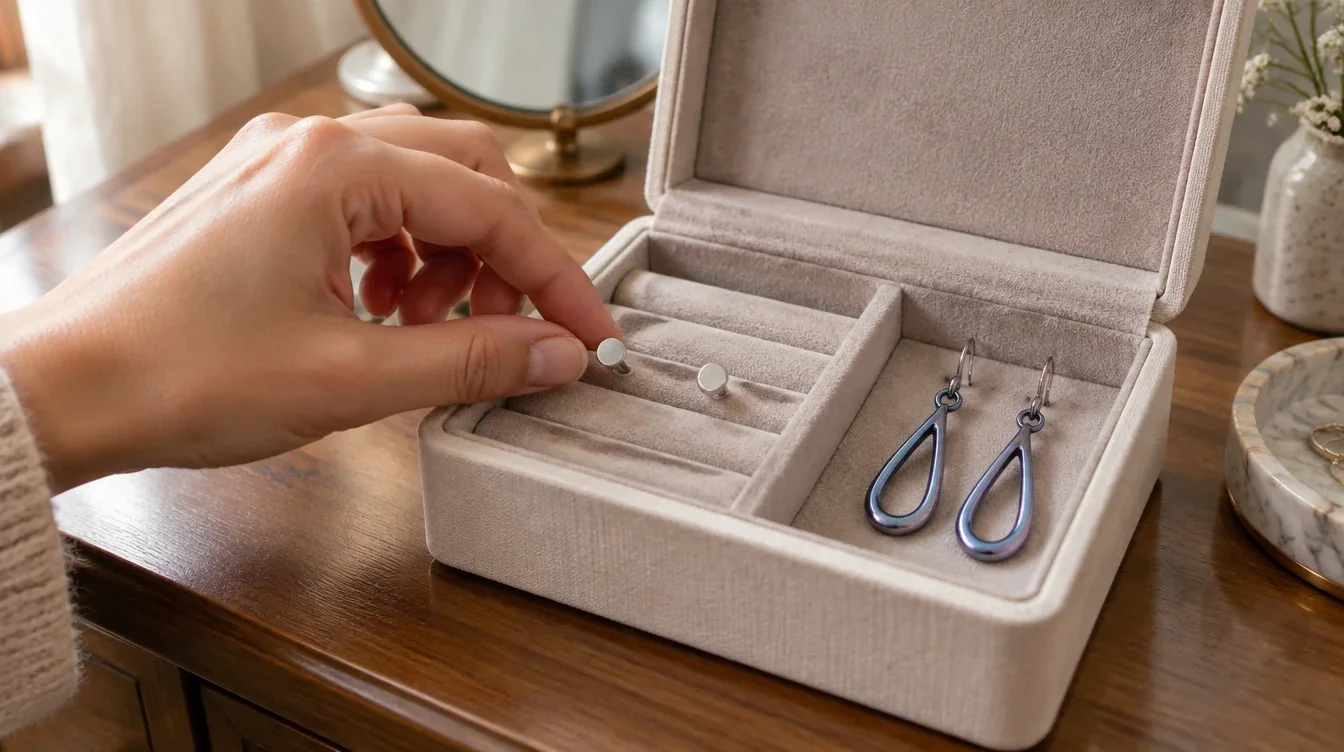
A small daily stud serves a different purpose from a large weekend drop. If you sleep in earrings, you may want a low profile and a back that does not press. For evening wear, design may matter more. That assumes your piercing is healed and the pair feels comfortable.
Do not treat “lightweight” as a cure for every sore ear. A light stud can still pinch. A heavier piece may feel fine for a short event but not for a full workday. Compare comfort based on how you will wear the earrings.
Choosing niobium or titanium for sensitive ears is easier when you judge the exact pair, not a category. Before checkout, ask what you still do not know about the finished jewelry. A short set of questions will do more work than another label on the box.
What should you ask a seller or piercer?
Ask for clear facts about material, contact points, size and fit for your piercing. You do not need a technical speech. You need enough detail to judge the whole piece.
Start with the post and back: “What are they made from?” Ask if the material claim covers the full wearable surface. For titanium, ask which specification the maker claims and what supports it. For niobium, ask who made the jewelry. Ask if another metal touches your ear.
Then ask for post thickness and wearable length. Tell your piercer if the hole is new, healing or long healed. Mention past reactions and shapes that bother you. A listing photo may help, but it may not show the finish or how the piece sits on your ear.
If your concern is earrings for nickel allergy, ask the seller to identify every skin contact component rather than offering a general assurance. If the answer stays vague, keep looking. A precise product description will not guarantee comfort, but it lets you make a reasoned choice.
There is no need to reject a design you like simply because you have not seen its material details yet. Ask first. When the answers are clear, the remaining questions are usually the ones people raise most often.
Frequently asked questions about sensitive pierced ears

These answers cover common buying questions. Is your piercing new or causing trouble? Ask a qualified professional to check your ear and the jewelry.
Is niobium hypoallergenic?
People asking “is niobium hypoallergenic” want to know if it may suit ears that react. Niobium is common in sensitive ear jewelry. Still, no material can promise that each finished earring will suit everyone. Check its post, back, finish and fit.
Can titanium earrings still irritate my ears?
Yes, titanium earrings can still irritate your ears. Even a well specified titanium post may hurt if it is rough or too short. A tight back can also cause pain. If irritation lasts, ask a piercer to check the fit. Seek medical advice if symptoms suggest allergy or infection.
What are the best earrings for new piercings?
The best earrings for new piercings are smooth and suit the piercing. A professional piercer should fit them. A material claim alone is not enough. Documented implant grade titanium is a clear starting point. Your piercer may also consider a niobium design that suits your piercing.
Does “surgical steel” mean it is safe for nickel allergy?
No. Surgical steel can contain nickel. Its name alone is not enough if you have a known nickel allergy. Ask for the exact material. Base your choice on your diagnosis and the finished jewelry. Do not rely on the word “surgical.”
How do I choose the best metal for sensitive ears?
The best metal for sensitive ears depends on your known triggers. It also depends on whether your piercing has healed. The parts that touch your skin matter, too. Use those points to compare specified titanium with niobium jewelry from trusted sources. Check fit and finish before buying.
A product page can narrow your choice. Whether the pair works depends on your ear, piercing and the whole earring.
Choose the pair you can understand and wear comfortably

For sensitive pierced ears, a clearly specified titanium earring that fits well is the simplest first choice. This matters most while a piercing heals. Niobium can also make sense if its maker names the skin contact parts. The design must suit your ear, too. Neither choice excuses an unknown post or a back that hurts.
Ask the seller what touches your skin. Ask your piercer if the size and style suit your placement. If reactions keep returning, seek medical advice instead of buying more pairs that claim to be safe. Once you have those answers, choose the earrings you want to wear.