Why a laser drilled diamond vs fracture filled diamond label can change your choice
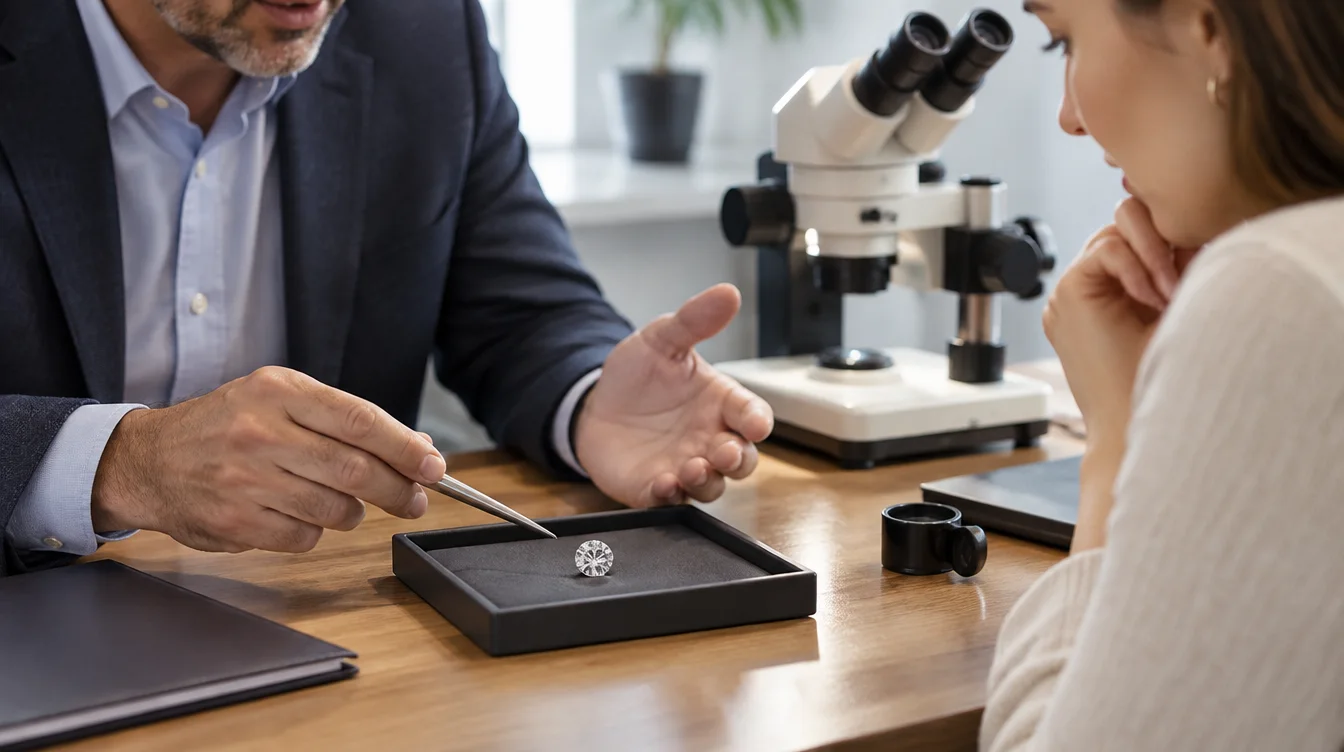
Choose a laser drilled diamond over a fracture filled diamond if you want fewer cleaning and repair limits. One stone may have both treatments, though. Ask for written details before you pay. In a laser drilled diamond vs fracture filled diamond comparison, looks alone cannot tell you how to care for the stone.
What does laser drilled diamond vs fracture filled diamond mean?
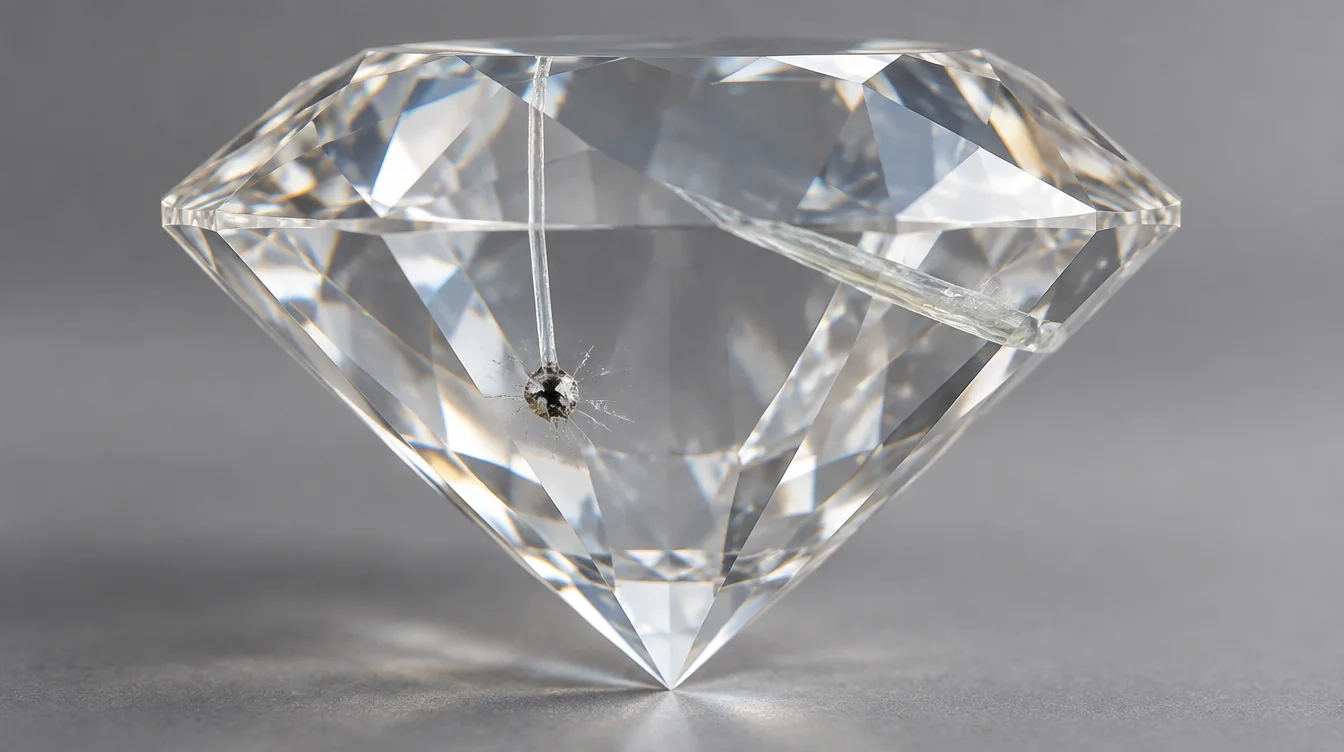
Laser drilling makes a tiny channel to reach a dark inclusion. Fracture filling hides part of a surface reaching fracture. Each changes the diamond’s look in a different way. That matters once you take the ring home.
Laser drilling changes the stone itself
A laser makes a narrow channel from the surface to an inclusion. Treatment can then reach and lighten the dark material. The channel stays, even if the inclusion looks less clear. Ask the jeweler to show you the channel under magnification. A face up photo may hide a feature seen from the side. These details appear in Uniglo Diamonds’ treatment guide.
Fracture filling changes what you can see
A filler placed in a surface reaching fracture reduces its visibility. It does not remove the fracture. That difference matters because the appearance now depends partly on material inside the diamond, not just on the diamond itself. A filled stone may look clean across a counter and still need special handling later. The treatment and its care limits are discussed in the Skyjems glass filling overview.
Can one diamond have both treatments?
Yes. A laser channel can also be filled, so “laser drilled” does not rule out fracture filling. Ask whether any channel or fracture contains filler. That single question can change your care plan.
Once you know what was done, the next job is to make sure the sale records say the same thing.
What should diamond treatment disclosure tell you?
Diamond treatment disclosure should name each treatment on the stone and connect that information to the diamond you are buying. “Clarity enhanced” is too broad on its own. It does not tell you whether the stone was drilled, filled, or treated in both ways.
Match the seller’s words to the paperwork
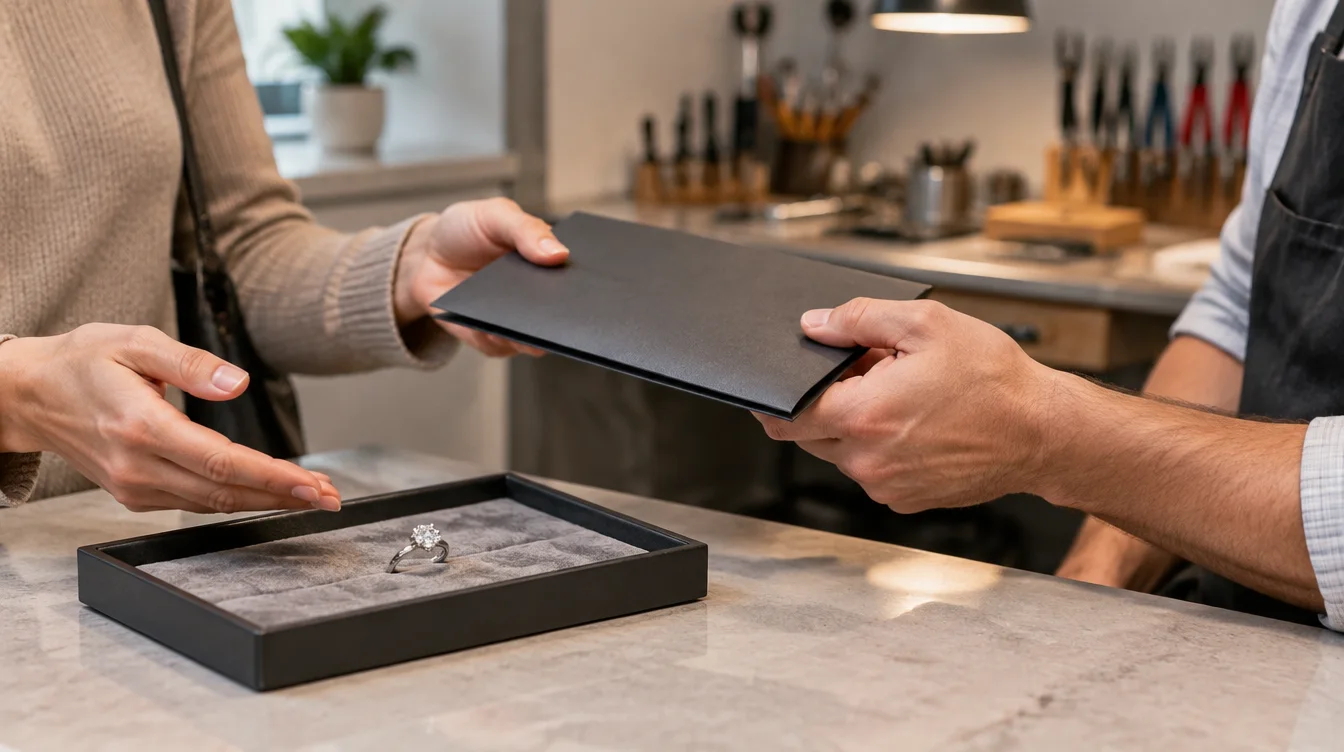
Ask for a written description before you pay. It should name laser drilling and fracture filling separately, if used. Keep it with your receipt, report, and care advice. If the ring has several diamonds, ask which one was treated. A note that says only “enhanced diamonds” may leave a future jeweler guessing.
Natural origin is a separate matter. A diamond can form in the earth and later receive a clarity treatment. A listing that says “natural diamond” does not mean “untreated.” Uniglo Diamonds explains this distinction and advises you to check the treatment wording with the stone’s other details.
Check what a report actually covers
Read the full lab document, not just the seller’s grade summary. Match the report number and measurements to the stone on offer. Then read its comments and treatment details. Ask what the lab did and did not assess. Some labs do not issue standard grading reports for fracture filled diamonds. Still, a missing report does not prove a stone is untreated. Diamond Source notes that labs have different grading policies for filled stones.
If the seller cannot put the treatment status in writing, pause the purchase. Clear records also help the person who will clean or repair the ring.
How do cleaning and repairs change?

Laser drilled diamonds and fracture filled diamonds may need different care. A drilled channel is a lasting change. Some cleaning or repair methods can affect filler but not the diamond itself. Tell the jeweler about every treatment before work starts on the setting.
Routine cleaning starts with the treatment record
Wondering how to clean clarity enhanced diamonds? First, check for filler. Ask the seller how to care for the stone. Share that advice with your jeweler. Do not assume an ultrasonic cleaner, steam cleaner, or strong solution is safe for a filled stone. Cleaning can affect filler, according to Uniglo Diamonds’ guide.
If a stone is described only as laser drilled, ask whether its channel was filled. Once the jeweler checks for filler and inspects the setting, they can advise on cleaning. Do not test a method at home based on a vague label.
Repair heat deserves a separate conversation
Ring sizing, setting work, and other repairs may involve heat. Heat can damage filler, so tell the jeweler before work starts. Ask if the stone must be removed. Ask who pays if the treatment needs care afterward. Get any promise to restore the filling in writing. Ask what that promise covers. The Diamond Source treatment overview says laser drilling lasts, but filling should not be treated as permanent.
Care is only part of the choice. The price must also suit the stone you will own.
Are clarity enhanced diamonds worth it for your purchase?
Are clarity enhanced diamonds worth it? They can be if you like the stone, accept its treatment, and pay a price that reflects it. A lower price alone is no bargain if the other stone is untreated or the seller cannot explain future care.
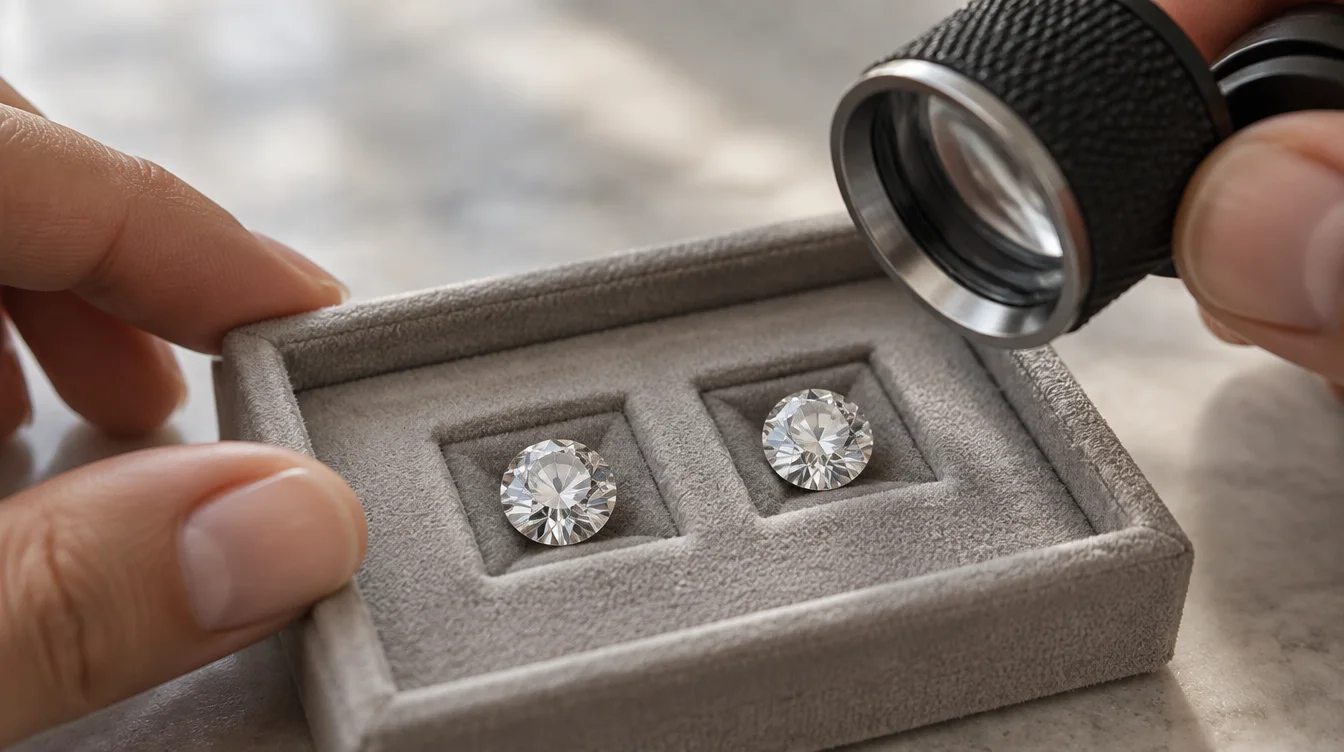
Picture two center stones that look equally clear in the same light. One was laser drilled. The other has a filled fracture. If both fit your budget, compare their records, care limits, and return terms. Look at each under magnification, too. Similar photos do not prove equal value. Your Diamond Guys advises comparing treated stones with untreated stones that look alike. It also says to weigh care and resale concerns.
Laser drilled diamonds may suit buyers who accept a permanent channel seen under magnification. They may prefer to avoid filler care. Fracture filled diamonds may suit buyers who like their current look. Those buyers must accept more limits on care, repair, and resale. For a ring you plan to wear often, compare an untreated stone that looks clean to your eye. Your choice rests on use, price, and how much uncertainty you accept.
To make that judgment, compare offers on the same terms rather than letting an attractive photo lead.
How can you compare offers without a false bargain?
Compare each diamond’s treatment, visible appearance, documents, and future care before you compare asking prices. Start with stones of similar size and shape. View them in ordinary light, not only under bright display lights, and ask to see the treated feature under magnification.
Suppose a seller calls a filled diamond “the same as” an untreated stone because both look clear. Ask what happens if the filling changes or the ring needs repair. The answer should cover the seller’s policy, not just how the stone looks now. For a drilled diamond, ask where the channel is and whether it contains filler. Write down both answers before you leave.
A useful quote should make the treatment status plain. It should also state any return period and treatment warranty. Without those terms, you cannot judge what the lower price buys you. Those questions lead to a few common final checks.
Questions buyers ask before choosing
These answers address questions that can change your choice.
Can laser drilled vs fracture filled diamonds look the same?
Yes, they can look similar without the same treatment or care needs. Ask to view each stone under magnification and read its written treatment description.
Does laser drilling mean a diamond contains filler?
No. Laser drilling and fracture filling are different treatments, but one diamond can have both. Ask if its drill channel or any fracture contains filler.
How to clean clarity enhanced diamonds safely?
Check whether the diamond contains filler before you choose a cleaning method. Follow the seller’s advice for that treatment. Tell your jeweler before professional cleaning.
Why does disclosure matter after the sale?
A future jeweler needs the treatment record before cleaning or repair. A later buyer may ask what was done, too. Keep the written disclosure with the ring’s documents.
With those answers in hand, the choice should feel less like a guess.
Choose the stone whose care fits your life
For a laser drilled diamond vs fracture filled diamond choice, start with full disclosure. If you want a treated stone, see the feature and learn its care needs. Keep the seller’s promises in writing. Walk away from a vague “clarity enhanced” label. Ask for the records before you buy, not when the ring needs repair.