So is sphene good for rings? What a Protective Setting Cannot Fix
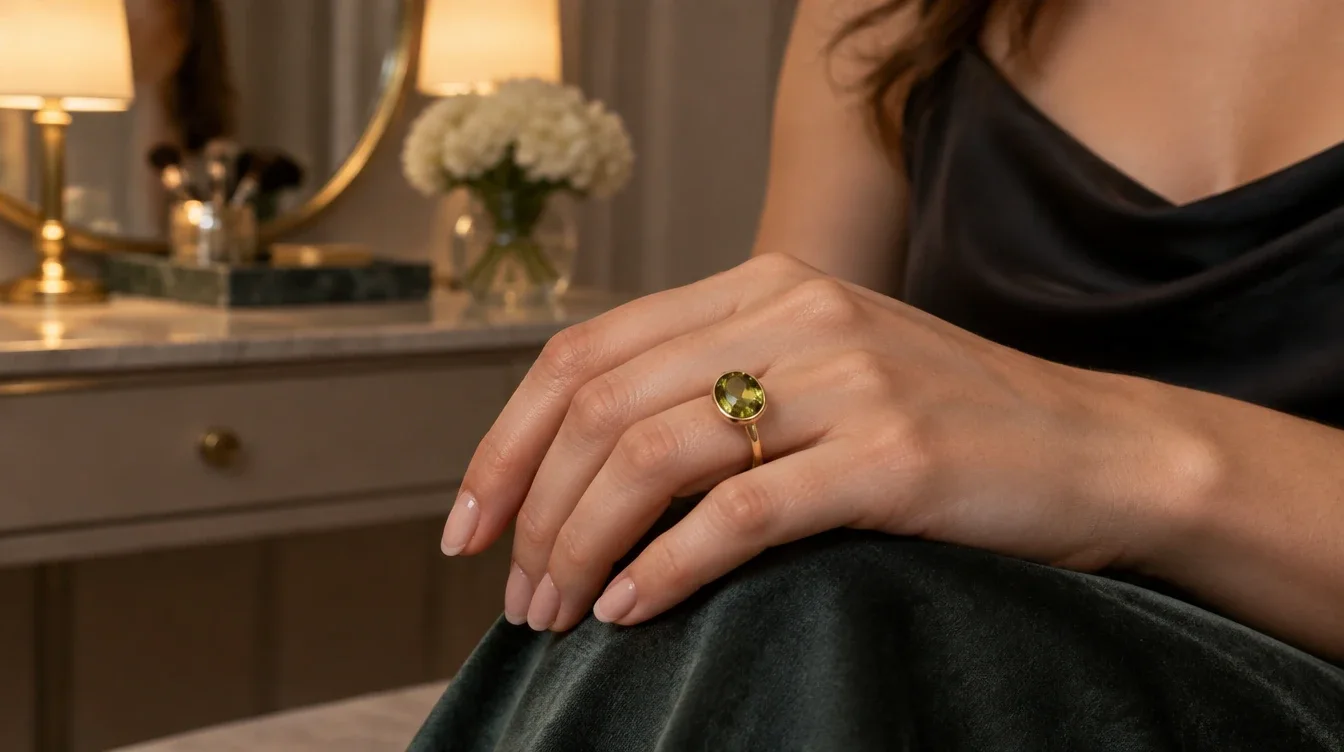
Sphene can suit a carefully worn occasional ring, but it is a poor choice for a ring you expect to leave on all day. If you are asking “is sphene good for rings,” the answer rests on your wear habits, the stone’s condition, and its setting. GemSelect’s buying guide supports ring use with suitable design and care, rather than treating sphene as an easy everyday stone.
Why sphene needs more care than its sparkle suggests
Sphene needs care because it has limited resistance to scratches and impact. Its bright look does not show how well it will withstand a bump against a countertop.
Also called titanite, sphene appeals to people who want a gem with character. Green and yellow stones can look striking as a ring center. But a sphene ring needs a different routine from a plain band.
Scratches and chips are separate problems
Published sphene hardness is about 5 to 5.5 on the Mohs scale, according to Natural Gemstones’ durability explanation. That source also explains that sphene can chip and crack. Hardness relates to scratches; toughness relates to damage from impact.
Ask two separate questions before buying. Will rubbing against harder material scratch the surface? Could a knock harm the stone even if its surface looks clean?
For sphene ring durability, both questions matter. A ring might avoid a hard blow yet show surface wear. Another could look untouched until one awkward knock causes damage.
No wear schedule can promise a fixed number of safe outings. The supplied sources give no measured lifespan for a sphene ring. Contact with hard surfaces matters more than an estimate based on time.
Heat and chemicals add another limit
Natural Gemstones’ care advice warns against high heat, acids, and harsh chemicals. Remove sphene before cleaning or messy work. Do not test what the stone can withstand.
These limits become easier to judge when you picture a normal day.
When is sphene good for rings in real life?
Sphene best suits rings worn for chosen, gentle activities. Take the ring off before rough tasks. Calling a ring “occasional wear” only helps if you say what those occasions involve.
You might only dine out or move furniture now and then. But those events place very different demands on a stone.
A quiet outing can be a reasonable match
Here is an example of an evening routine. You finish cooking and get dressed. Then you put on your sphene ring and leave for dinner. Back home, the ring goes into its own compartment before you wash dishes.
That plan limits contact while letting you enjoy the ring. Some risk remains, since accidents can happen during gentle wear. The aim is to avoid needless contact, not promise full protection.
Ask yourself whether removal feels natural or annoying. If you already change jewelry for different activities, sphene may fit your habits. If taking off a ring feels like a chore, the ownership experience may disappoint you.
A desk job does not settle the question
An office day may include carrying bags or opening heavy doors. You might also move boxes. “I work at a desk” tells a jeweler less than a clear account of those tasks.
When asking “can you wear sphene every day,” separate wearing frequency from exposure. Brief, careful wear each day is not the same as keeping a ring on through every task. Still, I would not choose sphene for a ring expected to cope with a full daily routine.
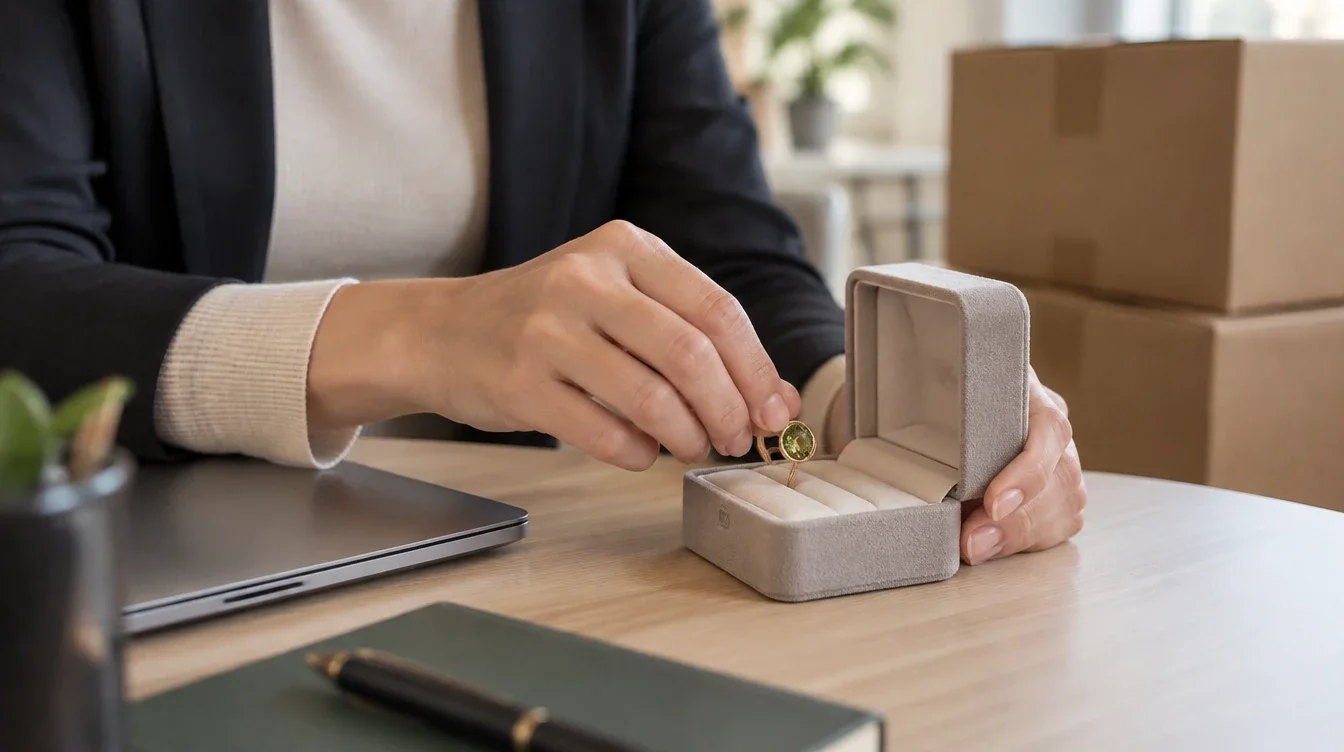
Try a simple habit check before buying. For several days, notice when your current ring touches hard objects. Note when you would need to take it off. Check whether you have somewhere safe to put it.
Use what you notice to choose a ring or pendant before the setting.
Choose the ring or pendant before commissioning either
A sphene pendant is generally the more forgiving choice when you want the gem without exposing it to routine hand contact. The durability FAQ recommends pendants and earrings over rings because they face less wear.
Compare both choices by the same three needs. Can you see the stone, protect it, and manage its care? A ring puts sphene where you can watch it move. A pendant keeps it away from your working hands. Both still need gentle handling and separate storage.
Choose a ring when seeing it matters most
Choose a ring if you most enjoy seeing the gem on your hand. Accept its limits before paying for the mount. Do not buy it just hoping you will stop bumping things.
For an engagement piece, first ask how the person plans to wear it. Some people welcome a special ring just for outings. Others want a symbol they can wear through a normal day.
Neither choice is wrong, but sphene better suits the first. Take extra care with surprise gifts. You may be happy to care for a delicate gem. The person receiving it may not feel the same.
Choose a pendant when hand contact is the problem
A pendant may suit someone who loves sphene but works with their hands. It does not make the gemstone tough. It changes where the stone sits and what it may touch.
Imagine someone who wants to wear sphene at family gatherings. They also always help prepare food. A pendant may call for fewer changes to that routine than a ring. This is an example, not a promise that pendants are safe for every task.

If you still want a ring, consider how much its design can protect it.
What a protective setting can and cannot do
A protective setting can shield parts of a sphene. It cannot make the exposed gemstone resist every scratch or blow. Natural Gemstones describes bezel settings as a way to protect the gem’s edges from contact.
The best setting for a sphene ring must suit the stone itself. A photo you like is not enough. Ask the jeweler to show where metal gives cover. Check where the gem remains exposed too.
Look at coverage from the side
A view from above can hide key details. Ask for a side view before you approve the design. Check how far the stone rises and which edges stay open. Ask whether the mount suits the stone’s condition.
A bezel protects an edge, not the whole top
A bezel surrounds the stone with a rim of metal. That cover helps protect the edge but does not make the mineral harder. The visible top still needs care.
So, is sphene good for rings once you add a bezel? It can make more sense for a ring worn now and then. The basic wear limits still apply. Do not buy a delicate gem based on a setting’s name alone.
Ask what remains exposed
Prongs and partial bezels leave different areas open. Rather than choosing by label, ask the setter to point out the exposed areas on your proposed design. Then consider how those areas might meet objects during wear.
If the jeweler cannot assess the stone before making a recommendation, keep the design provisional. A drawing cannot reveal every condition issue in a loose gem.
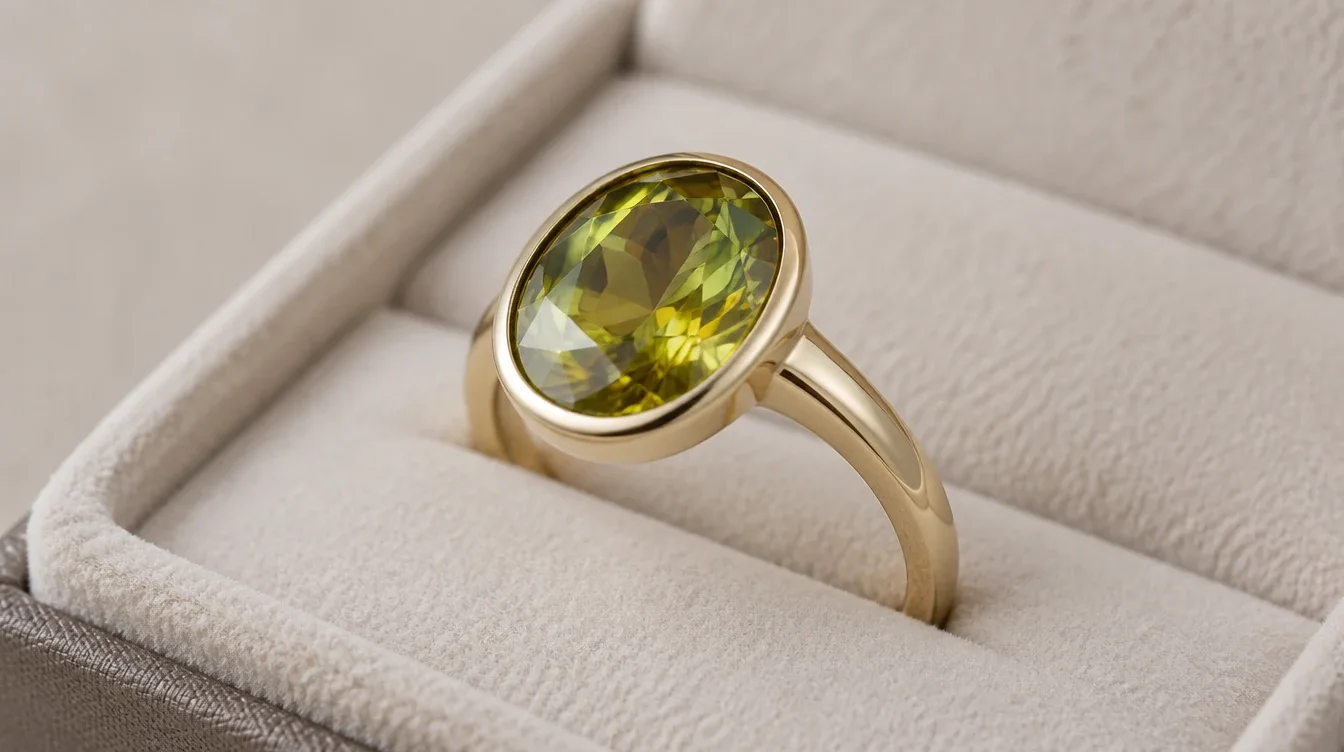
Keep appearance and protection in the same discussion
You may prefer a spare mount that shows more of the stone. Tell the jeweler, but ask what protection you would lose. Before choosing more cover, ask to see how it changes the look.
More metal does not replace the need to remove the ring. Protective design and careful wear work together. The sphene still needs to be checked before it is set.
What to check before buying the loose sphene
Before buying sphene for a ring, have the stone’s condition checked. Ask whether it suits the planned mount. A bright sales video shows how it looks. It cannot answer every durability question.
GemSelect recommends checking clarity, proportions, symmetry, and polish, including visible abrasion. Use that guidance to ask specific questions rather than requesting a vague quality grade.
Separate attractive inclusions from condition concerns
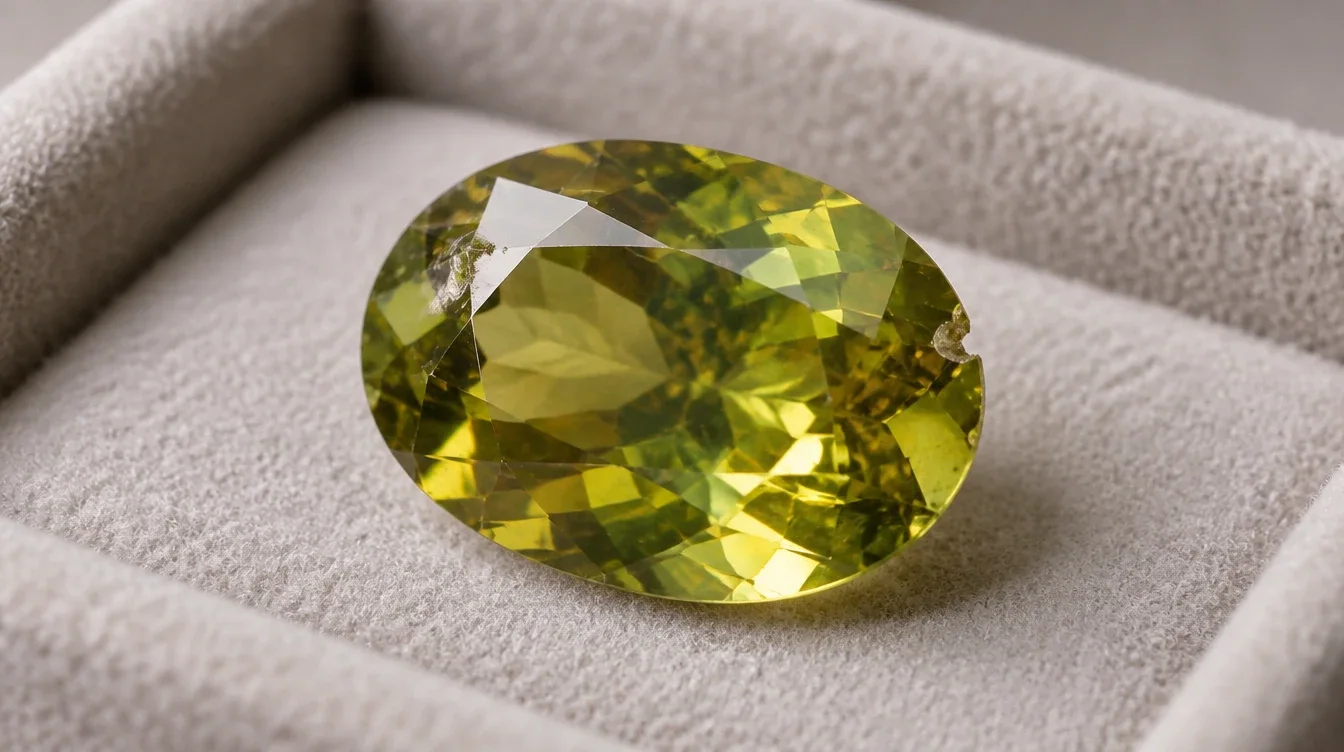
Ask whether the stone has existing chips, worn facet edges, or visible fractures. Request clear views of the sides as well as the top. A seller should be able to describe what you are buying.
Not every visible inclusion makes a stone unsuitable. However, the supplied durability discussion names inclusions and fissures as factors that can affect the risk of damage. Ask a gemologist or experienced setter to check where they are and what they mean.
Do not assume a clean looking stone is tough enough for daily wear. Its appearance does not erase the limits associated with sphene hardness. Equally, do not diagnose a fracture from one enlarged phone image.
Make the purchase conditional on a workable plan
Before paying, ask about the return terms. Can your jeweler inspect the loose gem within that time? Get any disclosed treatments in writing. Keep the stone description with your purchase records.

For sphene ring durability, the useful question is not simply whether someone can mount it. Ask whether they recommend mounting that particular stone for your stated use. Those are different judgments.
Ask who is responsible for the stone during setting. Read the terms too. Do not assume your purchase receipt covers accidental damage during later work.
Once the stone and mount suit each other, plan a care routine you can keep.
How to care for sphene without adding damage
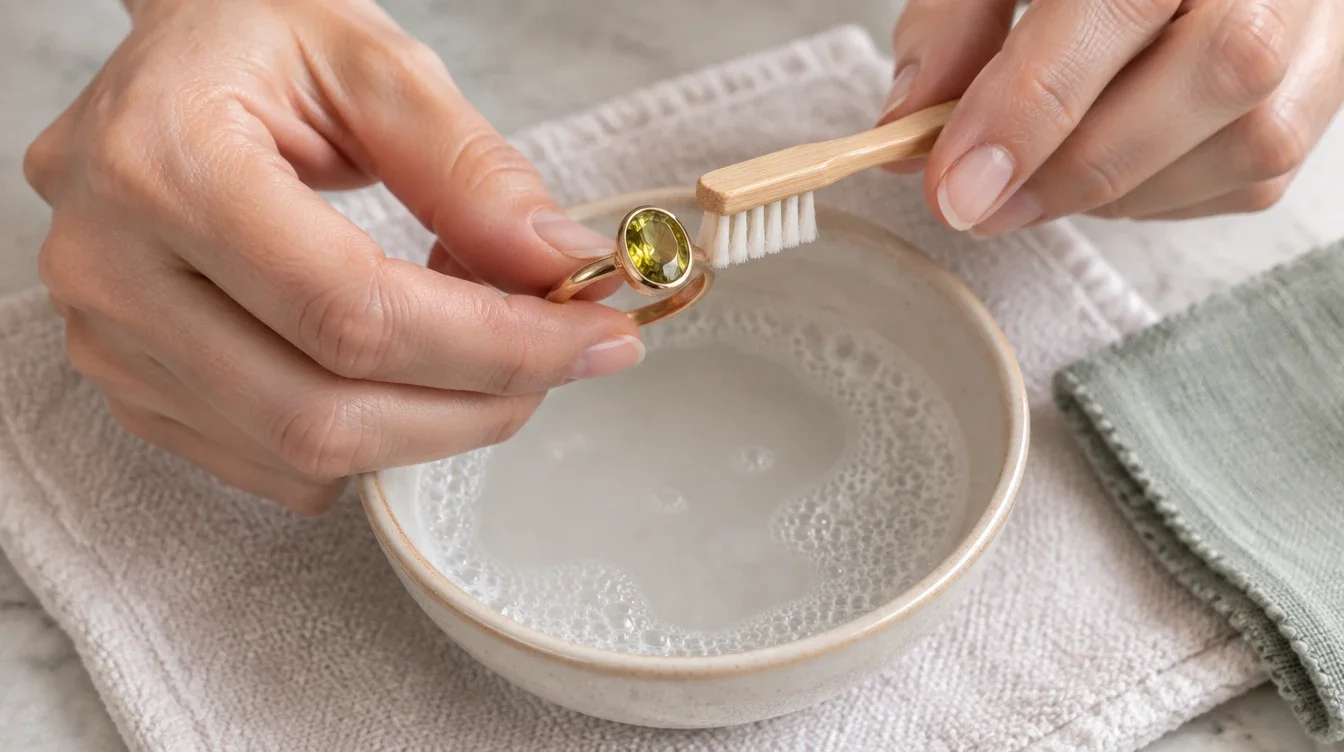
Clean sphene gently and store it away from harder stones. The supplied care guidance recommends mild soap, lukewarm water, and a soft brush. It advises against ultrasonic and steam cleaners.
Keep cleaning simple
When deciding how to clean sphene jewelry, first check that the piece seems sound. Stop if you see a chip, notice movement, or suspect damage. Ask your jeweler to check it before cleaning.
For an intact ring, use a small bowl rather than working over an open drain. Clean gently with mild soapy water and a soft brush. Rinse carefully and pat dry with a soft cloth without rubbing hard.
Do not pick at stubborn dirt with a pin or stiff brush. Ask for help instead. Before handing over the piece, tell the cleaner the stone is sphene. Do this even if only the metal needs cleaning.
Give the ring a consistent resting place
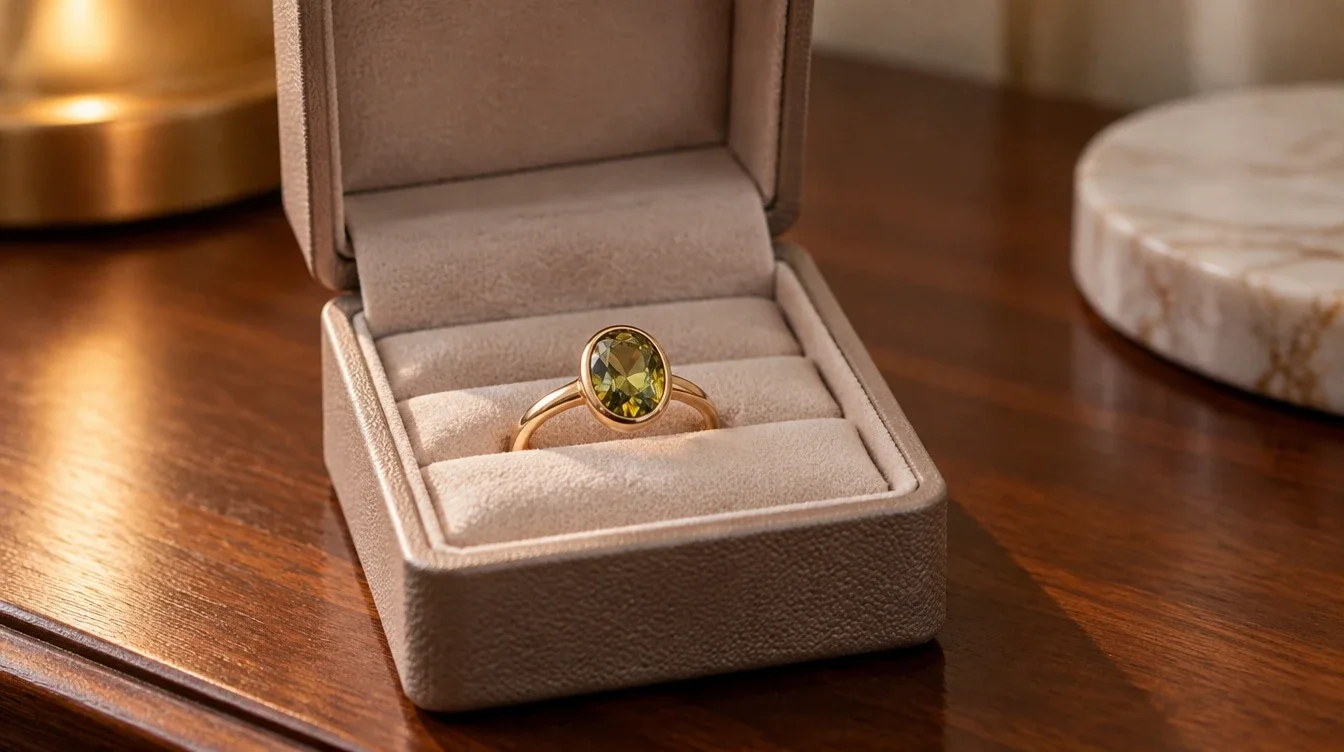
Store sphene on its own so it cannot rub against other stones. Give it a padded compartment. Do not toss the ring into a handbag pocket with keys or loose jewelry.
A storage spot helps you remember to take the ring off. Keep a suitable box where you usually remove your jewelry. For outings, use a small protective case instead of a tissue.
If you are still wondering “is sphene good for rings,” think about keeping these habits for years. The care should feel doable, not like a daily chore you resent.
A few more answers can help you decide what to expect.
Common questions before choosing a sphene ring
Choosing a sphene ring comes down to wear habits, setting protection, and care. These answers explain the limits as well as the choices.
How often can you wear sphene every day?
No source supplied here establishes a safe daily time limit for sphene. Brief gentle wear differs from continuous use, but neither comes with a guarantee against damage.
What is the best setting for a sphene ring?
A bezel is worth discussing because it covers the edge, as described in the supplied setting advice. Have the stone assessed before choosing a design. No setting can protect every exposed surface.
How do I learn how to clean sphene jewelry safely?
Ask your jeweler to show you gentle cleaning on your finished piece. Use mild soap and lukewarm water as described above. Let a professional handle trapped dirt or suspected damage.
Does choosing a pendant remove all the risk?
A sphene pendant reduces routine hand contact. It still needs care around knocks, harsh chemicals, and storage. Choose it to change what the stone meets, not to make it stronger.
With those limits clear, you can choose the form you will enjoy most.
Choose the sphene piece you will enjoy wearing
A sphene ring can suit wear now and then if you accept its care needs. Choose a pendant when less hand contact matters more than seeing the gem on your finger.
Neither choice requires apologizing for loving a delicate stone. The mistake is buying it for a job it cannot reliably do.
Before ordering your piece, bring your sphene or its listing to Fulop Jewelry. Tell us when you want to wear it. Describe what your hands do and which care habits you can keep. Before choosing a ring, ask for a stone assessment. Discuss how the design can help protect it too.