Why is Argentium silver worth it for some everyday pieces but not others?
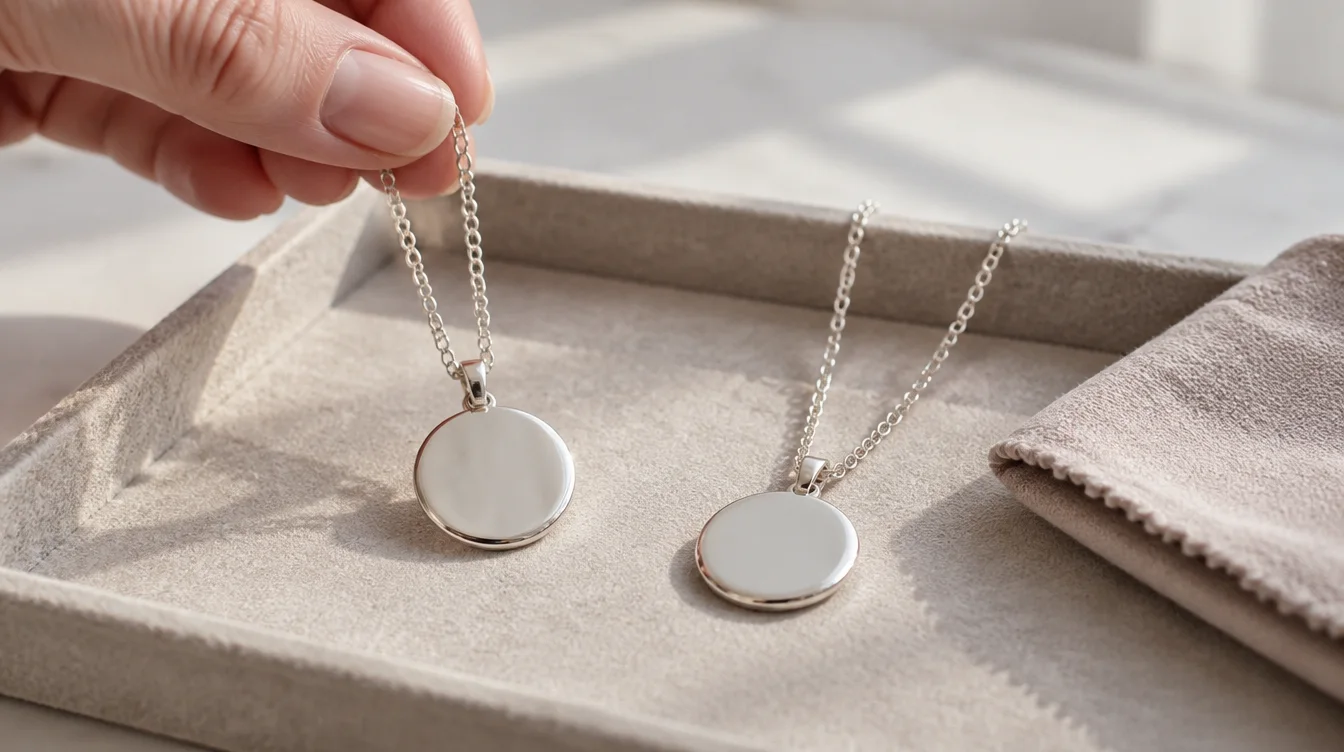
My answer to “is Argentium silver worth it” is yes if you dislike polishing silver and the seller can explain the price gap. Choose conventional sterling if you do not mind some upkeep or would rather spend that money on sturdier construction. Neither alloy makes a thin ring immune to scratches or a weak clasp less likely to fail.
What are you paying for with Argentium silver?
You are mainly paying for an alloy sold for greater tarnish resistance. That does not mean every part of the jewelry is better. Conventional 925 sterling contains 92.5% silver, as explained in this guide to 925 sterling silver. Argentium is a distinct branded alloy. Its name alone does not tell you the silver content or how the piece was made.
Ask the seller for the alloy specification in writing. Then check whether you are comparing like with like: two solid rings of similar weight, for example, rather than a solid Argentium ring and a hollow sterling one. A higher price may reflect the design, finish or labor as well as the metal.
That distinction matters most when you decide what kind of wear you want the premium to prevent.
Is Argentium silver worth it for tarnish resistance?
Argentium may appeal to you if you dislike tarnish care. But “tarnish resistant” does not mean “never needs care.” Does Argentium silver tarnish? It can. Air, moisture, skin products and storage all vary. No seller can promise the same lasting finish for every piece.
Think about your habits. Say a sterling necklace sits unworn for months. If you hate cleaning it before each outing, less upkeep has value. If you wipe it after wear and keep it away from moisture, the difference may matter less.
Ask what the seller means by tarnish resistance. Does the piece have a surface coating? A coating can change its look and care needs. It also makes it harder to judge what benefit comes from the alloy itself.
Less tarnish work is useful, but it says little about knocks and scratches.
How does Argentium silver durability compare with sterling?
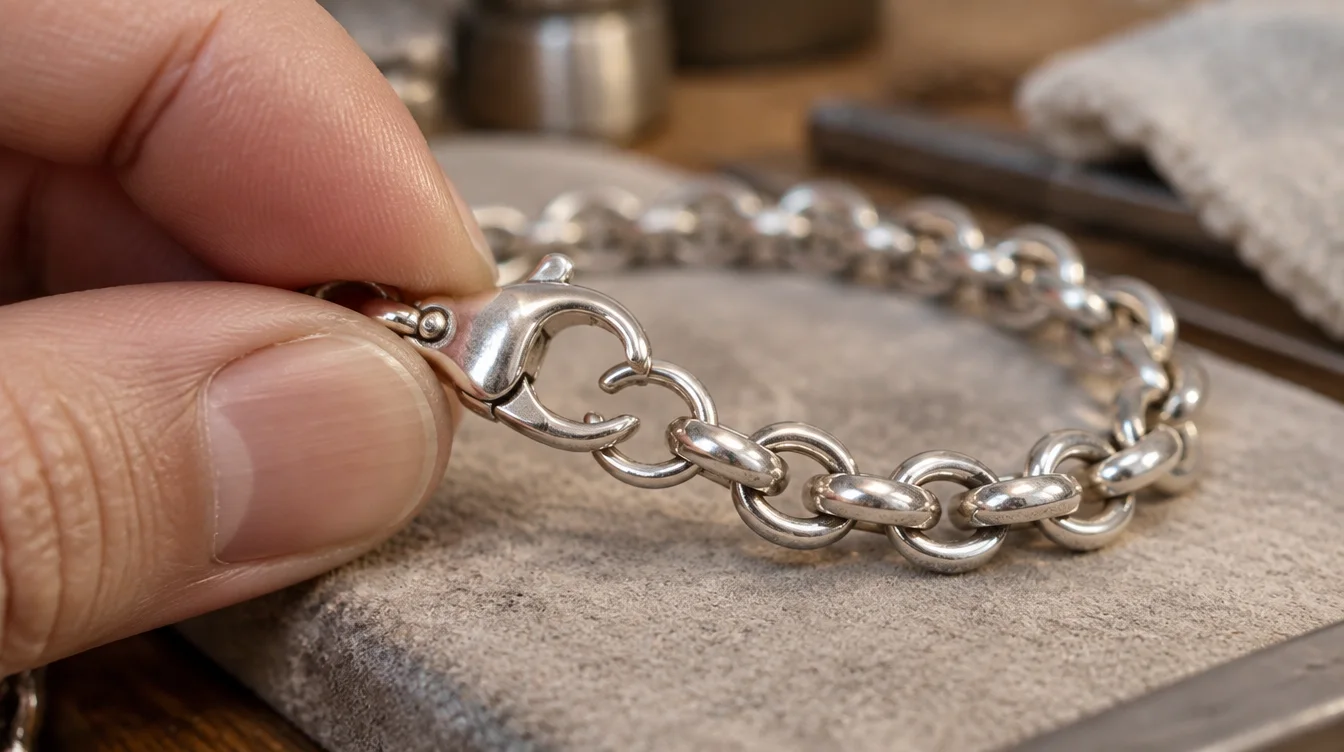
Argentium silver durability depends on the whole piece, not just the alloy. A broad, solid band faces different risks from a thin band. That is true even when both use the same metal. Clasp size, chain thickness and stone settings also matter in daily wear.
Tarnish and scratches are different problems
Tarnish changes the surface color. Scratches and dents change the surface itself. A metal that needs less polishing can still pick up marks when it rubs against keys, countertops or other jewelry. Do not treat a tarnish claim as proof of better scratch resistance.
Where construction matters most
For a ring, check the band’s thickness and any thin spots near the setting. For a bracelet, check the clasp and links. Those parts may matter more than the alloy if the piece snags on clothes or hits a desk each day.
What to ask about repairs
Before buying an expensive piece, ask about repairs. Can the seller or a local jeweler resize it, solder it or replace its parts? Ask what repair metal they would use. Could the repair leave a visible color difference? A written policy tells you more than a claim that the piece is “built to last.”
Once you know how the piece is made, you can judge the premium against your own routine.
Can you wear Argentium silver every day without fuss?
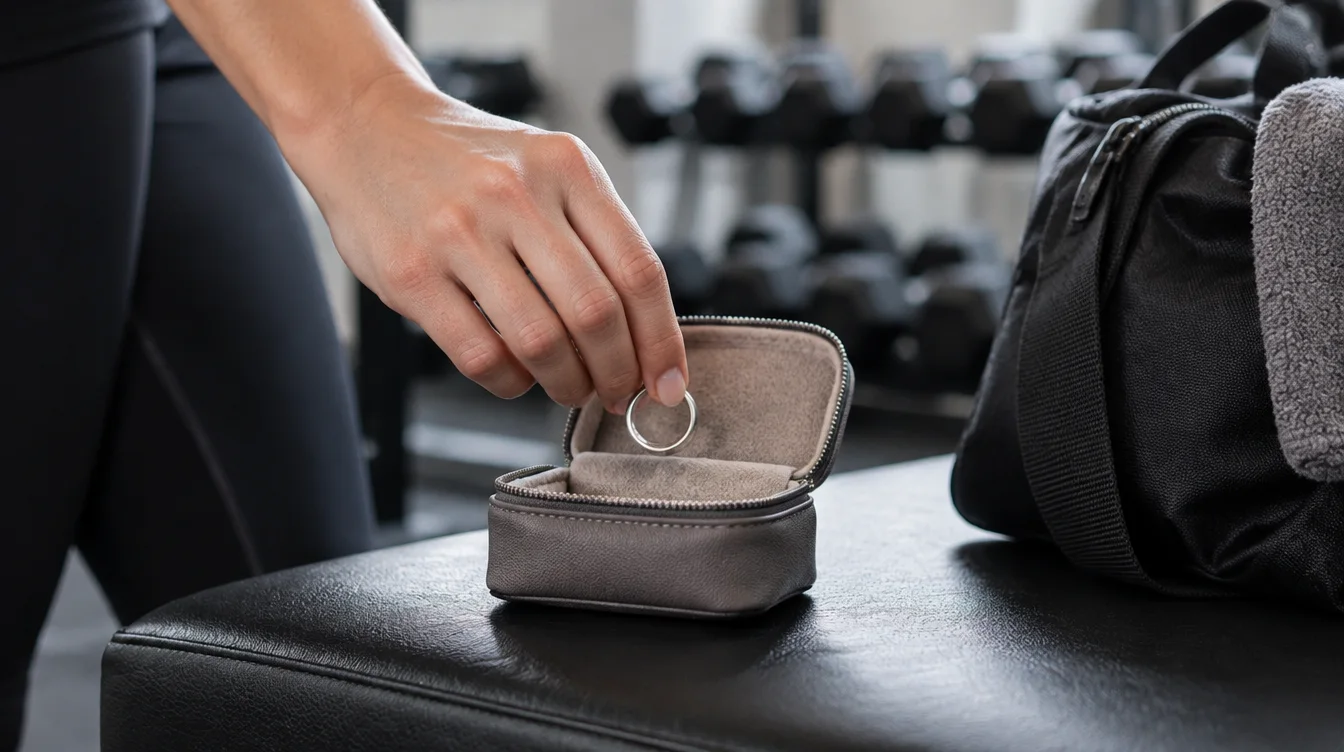
Yes, you can wear Argentium silver every day. But the piece and your activities matter. A simple pendant faces less impact than a ring worn while lifting weights. Remove jewelry before anything that could bend it, strike it or snag its setting.
Everyday wear does not mean constant wear. Remove a delicate piece before rough chores. Wipe it before storage. That habit can help you see whether lower upkeep makes a real difference.
Think about skin contact, too. Is Argentium silver hypoallergenic? Do not assume any metal is safe for everyone. If jewelry has caused a reaction, ask the seller for full alloy and solder details. Check those details against any metal you know causes a reaction.
Comfort is personal. You can compare prices more directly.
How should you judge the Argentium price premium?
Compare actual quotes for pieces with similar weight and build. Then ask if the extra cost is worth the benefit to you. No single percentage makes Argentium a good or bad buy. Design, maker, weight and repair support all affect price. No current price range was available to verify for this article.
This example is a calculation, not a market price. Suppose a sterling pendant costs $80. A similar Argentium pendant costs $100 in the same currency. You pay $20 more, or 25% of the sterling price. Consider it if easier upkeep is worth $20 to you. But a weaker clasp could still make the cheaper pendant a better buy.
For an everyday ring, I would put its build and repair options ahead of a tarnish claim. For a pendant worn less often, I would focus more on its finish and cleaning needs. Compare each pair on those terms, not on the alloy name alone.
A few common questions can help settle the choice before checkout.
Questions buyers ask before choosing
The answers depend on the piece. Its finish, construction and disclosed alloy all matter.
Does Argentium silver tarnish?
Yes, it can. Asking “does Argentium silver tarnish” still makes sense when a seller claims tarnish resistance. Less upkeep may be a benefit. It does not mean the piece will never discolor.
Is Argentium silver hypoallergenic?
No alloy is safe for every sensitive wearer. If you ask “is Argentium silver hypoallergenic,” request full metal details from the seller. Ask about solder and coatings, too. Check all of it against your known sensitivities.
How to clean Argentium silver?
For how to clean Argentium silver, start with the seller’s care instructions for your exact piece. A soft cloth is a gentle first step. Stones, coatings and glued parts may need different care.
Can you wear Argentium silver every day?
Many designs are meant for daily wear. Still, the alloy cannot protect a fragile setting or clasp. Choose a piece that suits your routine. Remove it before activities likely to cause damage.
Those answers bring the decision back to the jewelry you will actually wear.
Choose the piece, not just the silver name
Argentium earns its premium when you value less tarnish care. The piece should also be well made, fairly priced and repairable. Conventional sterling makes sense if you accept some cleaning and find a stronger piece for the money.
Before you order, ask for the alloy specification and any coating details. Get a clear repair policy, too. Then compare two similar pieces side by side. That tells you more than the name on the product page.