How to Sell a Lab Grown Diamond Without Mistaking Store Credit for Cash
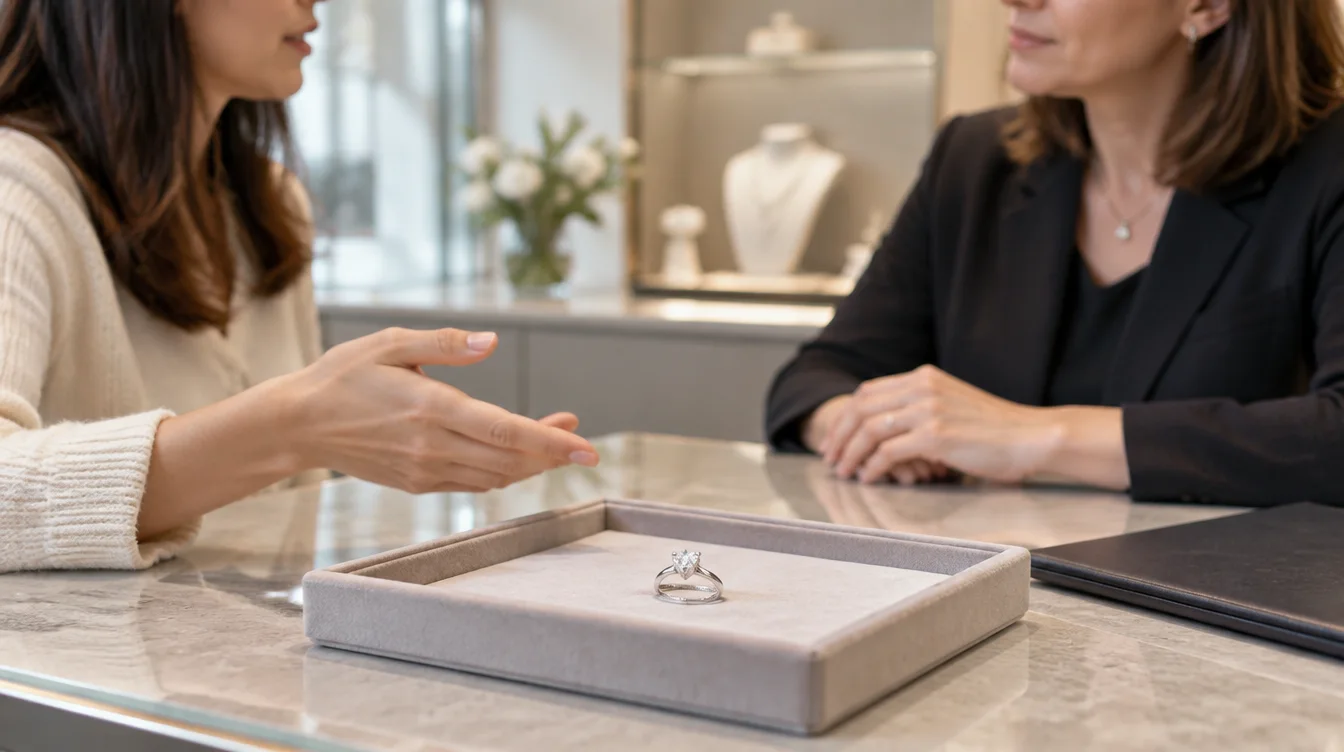
To learn how to sell a lab grown diamond, get a cash offer first. Then compare it with net consignment proceeds and trade credit you can use. A higher stated value may not put more money in your pocket. Buyer acceptance, fees, payment terms and any required new purchase can change which offer works for you.
How to Sell a Lab Grown Diamond When You Already Own One
Start by deciding what you want to sell: the loose diamond, the whole ring, or the diamond and setting as separate parts. That choice shapes which buyers will consider it and what each offer covers.
If the diamond is set, leave it in place while you seek quotes. Ask if each offer includes the metal and side stones. If a buyer wants the centre stone removed, ask who pays and who bears the risk of damage. Get those terms in writing before anyone touches the ring.
Gather the grading report, original receipt and any written purchase or upgrade policy. Note the report number. Check that it matches the stone where possible. A report lists the diamond’s recorded traits. It does not promise that a buyer will pay the receipt price or the amount on an insurance appraisal.
Next, ask who buys lab grown diamonds in your area before making a trip. Tell each business the stone’s origin, carat weight and whether it is mounted. Some buyers may decline lab grown stones outright, as the Liori Diamonds resale discussion notes. Acceptance is a question to ask, not something to assume from a sign that says “we buy diamonds.”
Once you know what you are selling and which buyers will consider it, compare the three main routes on equal terms.
Where to Sell Lab Grown Diamonds for Cash, Consignment or Credit
Where to sell lab grown diamonds depends on your goal. Do you need money now, have time to wait, or want another piece of jewelry? Cash offers, consignment and trade credit meet different needs. Compare what you keep, how long it takes and what each choice requires.
Cash offers give you a firm answer
A jeweler or diamond buyer may offer to buy the piece after an inspection. If you accept, the sale can be simpler than finding a private buyer. Ask if the quote is final and when you will be paid. Also ask if the offer could change after the stone leaves your sight.
Do not judge a cash offer against what you paid years ago. A buyer has to decide what the piece can sell for now. The PrimeStyle resale discussion points out that a used lab grown stone competes with newly sold stones. That helps explain a low offer, though it cannot tell you what your particular diamond will fetch.
Seek more than one quote if time allows. A refusal from one shop is not a valuation from the whole market. When asking who buys lab grown diamonds, confirm whether the business buys loose stones, complete rings or both.
Consignment may pay more, but only after a sale
To sell diamond ring on consignment means leaving it with a seller who markets it. The seller takes an agreed fee when it sells. You may receive more than an immediate cash offer. You may also wait without a sale. An asking price is not money you have earned.
Before handing over the ring, agree on the listing price, minimum sale price and commission. Ask about charges for photos, cleaning, insurance, returns and withdrawal. Find out when you get paid. Also ask what happens if a buyer returns the piece.
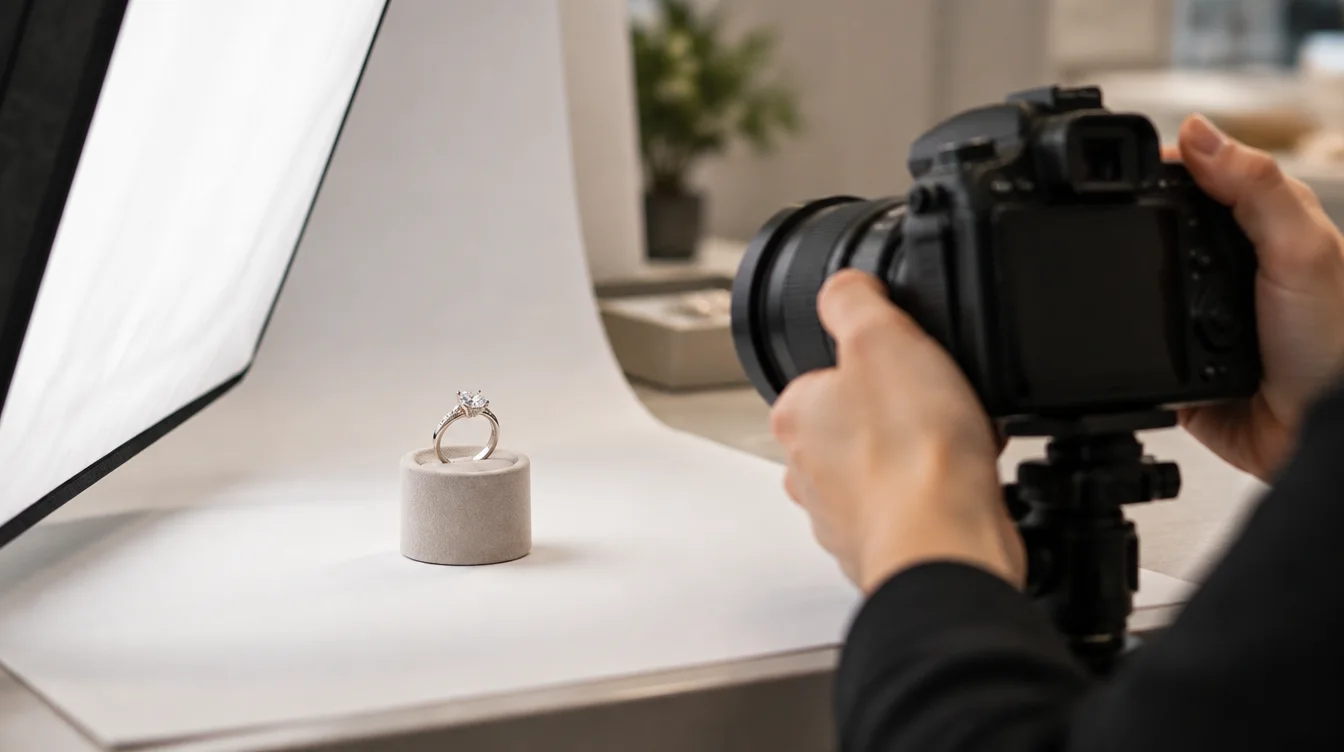
Choose a seller who will describe the diamond as lab grown. Ask how they verify the stone and record its condition at intake. If the ring does not sell, know when and how you can collect it.
A decision to sell diamond ring on consignment makes most sense if you can wait. The likely extra proceeds must also make the fees and uncertainty worthwhile. If you need a fixed amount by a set date, a firm cash offer may suit you better.
Trade credit can help with an upgrade, not a cash need
A lab grown diamond trade in may offer more stated credit than a cash buyer offers. Yet the credit often applies only to an eligible purchase from the same retailer. Ask which items qualify. Check if you must spend a minimum amount or lose unused credit.
Read the original policy rather than relying on the phrase “full value.” The La Joya trade credit discussion describes upgrade plans that require a new purchase at twice the original price. That is an example of a restriction to check, not a rule for every store or policy.
If you were going to buy the new item anyway, useful credit can beat a cash offer. If you must spend money you had not planned to spend, the larger credit figure may be a poor deal. The next step is to put actual amounts beside those terms.
Compare Net Proceeds, Not the Biggest Number on the Page
Compare what you receive after fees and conditions, not the headline offer. Use the same currency for each option. Keep cash and credit separate.
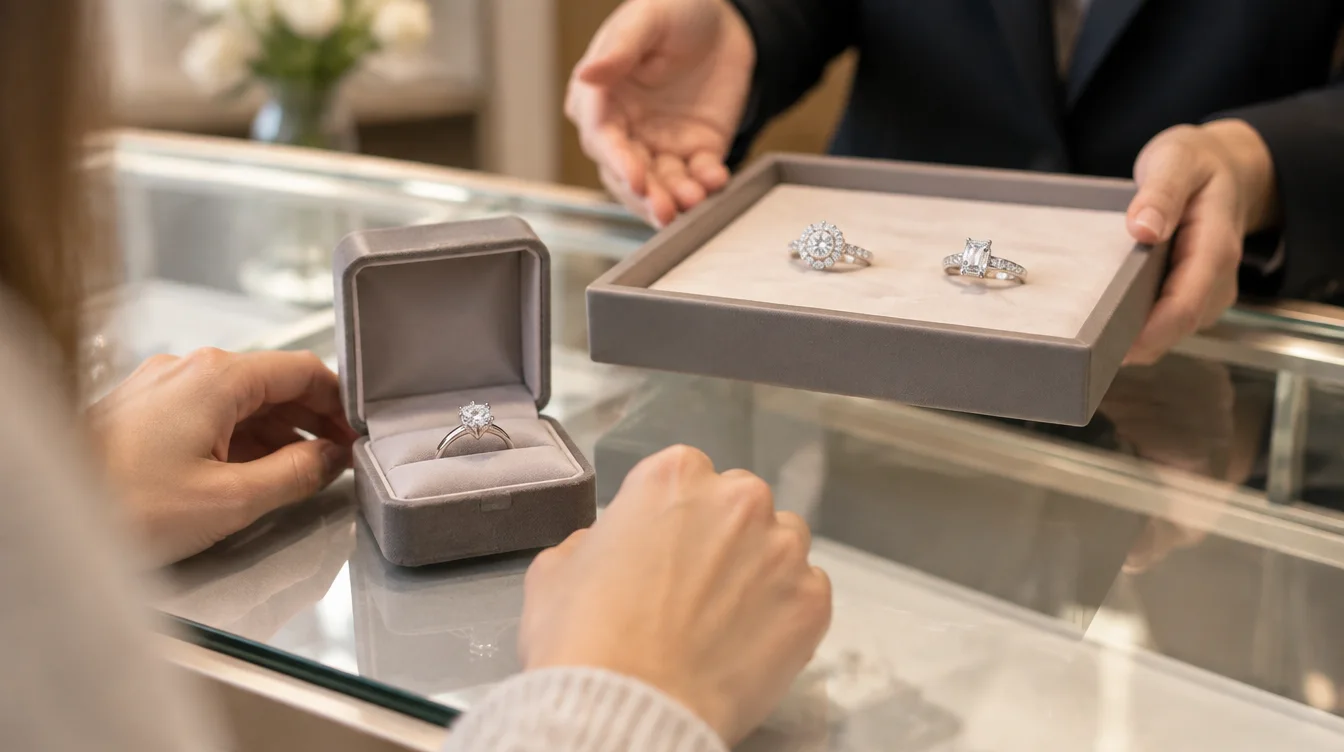
Here is an illustrative calculation, not a market quote. Assume you own a lab grown diamond ring. You receive a firm cash offer of CAD 450 for the complete ring. A consignment shop suggests a CAD 750 sale price. It charges a 25% commission and a CAD 30 intake fee. If the ring sells at that price, you receive CAD 532.50. That is CAD 82.50 more than the cash offer, but only after a sale and any agreed return period.
Now assume a retailer offers CAD 800 in trade credit toward a CAD 2,400 eligible ring. You would still pay CAD 1,600, before any applicable tax or other charges. The CAD 800 credit is useful if you already wanted that ring at that price. It cannot pay a bill. If a similar ring costs less elsewhere, compare your total outlay there too.
Compare the stone and the whole ring as separate items. Suppose a cash buyer offers CAD 450 in all. That includes CAD 300 for the centre diamond and CAD 150 for the setting and other materials. Another buyer might want only the diamond. Compare that quote with CAD 300, not CAD 450. Subtract any removal fee.
Lab grown diamond resale value is hard to state as one reliable share of the original price. The supplied resale discussions give different figures. Their excerpts do not set a rate for your stone. Size, grading, condition, setting and buyer demand can affect an offer. So can the current price of a comparable new stone. A real quote with clear terms tells you more than a broad percentage.
Once you have the numbers, check each buyer’s terms before sending or leaving your jewelry.
Check the Paperwork and Protect the Sale
A safe sale starts with a clear record of the diamond. Get written terms for inspection, return and payment. Good paperwork helps prevent disputes, even if it does not raise the offer.
Record exactly what you hand over
Keep a copy of the grading report and receipt. Photograph the ring from several angles. Include any visible marks on the band. If the diamond has a readable report inscription, ask the buyer to note it on the intake form. Do not assume a phone photo will show a tiny inscription.
The receipt should describe the item, its reported origin and any documents you include. It should also state why you handed it over. Is it for an evaluation, consignment or an agreed sale? Those are different transactions.
For a mounted stone, ask if the buyer can quote without removing it. Some traits may be harder to inspect while a diamond remains set. If removal is required, agree on the fee and handling first. Also confirm how every component will be returned.
Set payment terms before shipping or leaving the store
If you ship the piece, confirm the recipient’s legal business name and address. Ask what shipping cover applies and who bears the risk in transit. Find out how the piece will be returned if you decline an offer. Keep the tracking record and an item description.
For a private sale, meet in a suitable public business setting if an inspection is needed. Do not release the ring based on a payment screenshot. First, confirm cleared funds through your own bank or payment account. Payment methods and protection vary, so read the service terms you plan to use.
Check any lab grown diamond buyback promise in writing. Find the policy and confirm that your exact item qualifies. Ask if you will get cash, store credit or an exchange allowance. A promotional claim is not a completed offer.
With the risks covered, choosing a route becomes a matter of priorities rather than guesswork.
Choose the Route That Fits Your Goal
Choose cash if you need a definite payout. Choose consignment if you can wait for a possible higher net amount. Choose trade credit only if you want an eligible purchase. No route wins for every owner.
For a fast sale, check the payment and item terms before you accept a firm cash offer. Get a quote from at least one buyer who accepts lab grown diamonds. Compare it with any offer from the original retailer. An immediate offer may be modest, but you know what you will receive.
For a higher possible payout, ask a consignment seller about past sales of similar lab grown pieces. A proposed asking price does not prove what yours will sell for. Set a minimum price that leaves enough after commission and fees to justify the wait. Agree on a date to review the listing or take the ring back.
For an upgrade, compare two total costs. First, price the new piece after trade credit. Then price a similar piece elsewhere after taking a cash offer. A lab grown diamond trade in helps only if the purchase still makes sense on its own. Ask if taxes, design work or setting charges fall outside the credit.
If no buyer wants the loose centre stone, ask for a separate offer on the whole ring or its setting. One buyer’s lack of interest in the stone does not settle what every part is worth. You can also keep the ring if the available proceeds do not meet your needs.
The remaining questions are often about reports, buybacks and the choice to sell now or wait.
Frequently Asked Questions About Selling a Lab Grown Diamond
These answers cover common points that can change a sale. For a decision on your own piece, rely on written offers and terms.
How do I find where to sell lab grown diamonds near me?
Contact local jewelers and diamond buyers before you visit. Give them the grading details. Ask if they buy lab grown stones outright, take rings on consignment or offer only store credit.
Can I sell a lab grown diamond without its grading report?
You can ask for an offer, but the buyer may need to inspect the stone and may decline it. Tell the buyer what documents you have, and ask whether any testing or removal fee applies before agreeing.
Does a lab grown diamond buyback guarantee cash?
No. A lab grown diamond buyback may mean cash, limited store credit or an exchange under a specific policy. Check your original paperwork and get the current offer in writing.
What changes lab grown diamond resale value most when I sell?
Buyer acceptance and the current price of comparable stones can have a large effect. The diamond’s recorded traits, condition, setting and documents also matter. Only real offers show how a buyer weighs them.
How long should I wait for a better consignment offer?
Set a review date with the seller before listing the piece. If there is little interest by then, compare a revised net price with your firm cash option and any withdrawal fee.
Those answers are most useful when you put them next to the offers you can get today.
Make the Offer Work for You
Learning how to sell a lab grown diamond means asking each buyer the same clear questions. What exactly are they taking? What will you receive, and when? What happens if the sale falls through?
Start with your documents. Request firm cash quotes for the stone and the whole ring. Compare them with a written consignment agreement and any trade policy that applies. Focus on net proceeds and what you plan to spend, not the largest advertised number.
If you have a lab grown diamond ring to sell, bring its report, receipt and any upgrade terms to a jeweler you trust. Ask for separate, written options before you agree to a sale. Then choose what meets your needs: cash now, a chance at more later, or credit toward a piece you already planned to buy.