How to pair gemstones for a toi et moi ring without one stealing the show
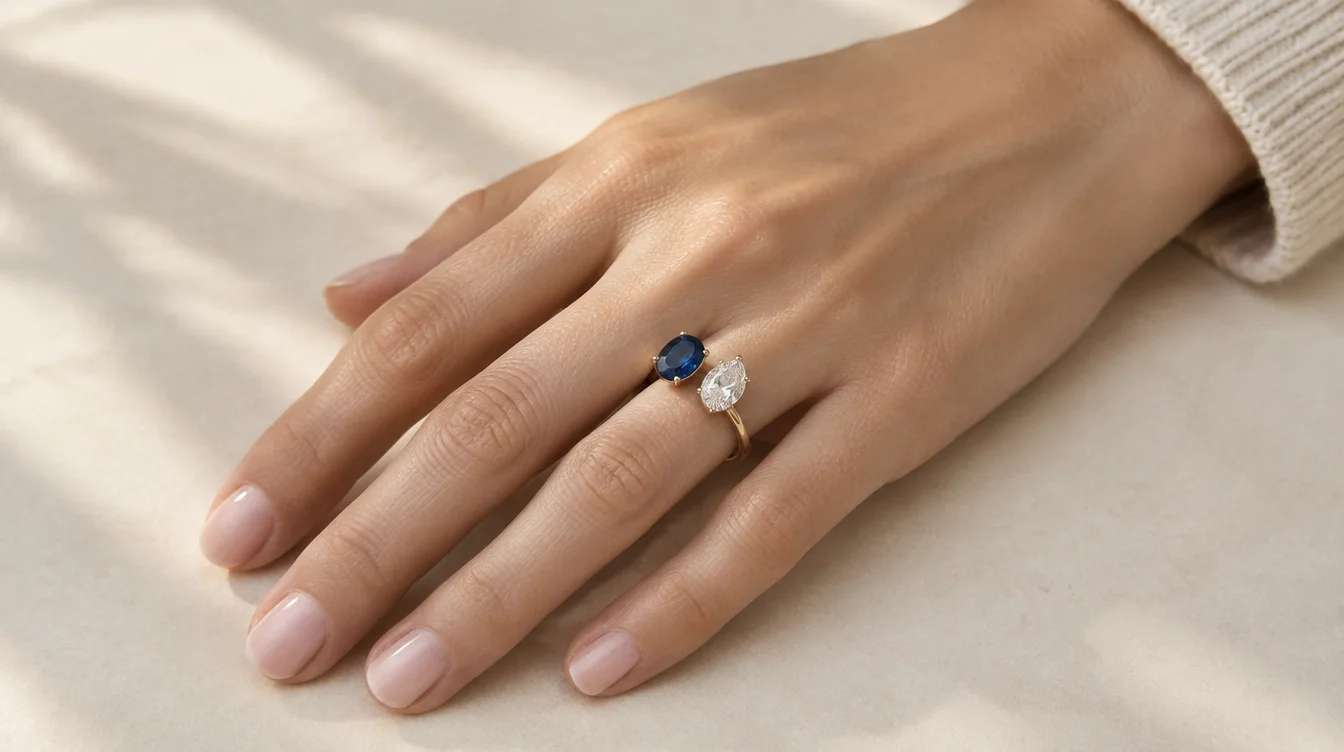
To pair two gemstones well, compare how they look together from above, not just their carat weights. That is the key to how to pair gemstones for a toi et moi ring: each stone should hold your eye without crowding the other. Check color, outline, light and placement side by side. If you plan to wear the ring often, choose stones whose care needs also suit your routine.
Start with two focal points, not one center stone
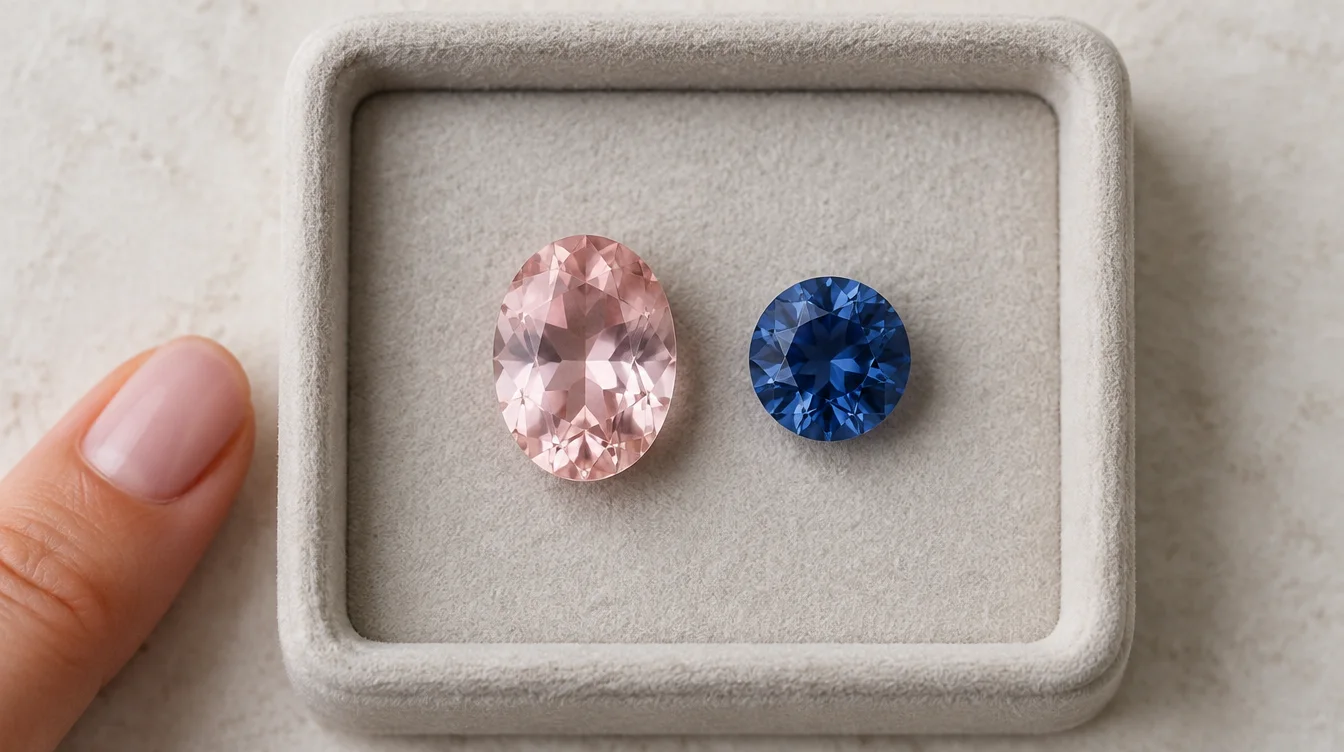
A toi et moi ring works when both gemstones feel like part of the main design. They need not match, but neither should look like an afterthought. Place your two candidates beside each other before you judge either one alone. A gem that looks modest in a tray may have a strong color or outline once paired.
Ask yourself where your eye lands first, then where it goes next. A slight lead is fine. If one stone holds all your attention, change its size, color or angle before you settle for a much smaller partner. Sotheby’s notes that successful pairs can differ in weight, shape and color while still feeling balanced through their proportions and setting in its discussion of toi et moi rings.
Meaning can guide the choice too, but appearance still matters. Two birthstones may tell your story and yet need a change in cut or scale to sit well together. Once you know both stones deserve a place, compare their colors in the light where you will wear the ring.
How to pair gemstones for a toi et moi ring by color
The best color pairing gives each gemstone a clear role without making the other look dull. When deciding how to choose stones for a toi et moi ring, view them together under daylight and ordinary indoor light. A color match that looks calm at a bright counter may look quite different at home.
Compare contrast, not just color names
For toi et moi ring color combinations, start with light and dark. A pale stone beside a deep blue sapphire has a clear contrast. Two medium toned gems may blend, even if one is pink and the other is green. If you want both colors to read at a glance, try changing the shade or the gap between the stones.
Also look for a color cast in the lighter gem. Next to a cool white stone, a warm white diamond may appear more tinted than it does alone. That does not make the pair wrong. It tells you to see the actual stones together before buying them.
Decide what should carry the color
A sapphire and diamond toi et moi ring gives color to one stone and bright contrast to the other. It suits someone who wants a clear difference between the gems. Two colored stones suit a more playful ring, but their tones need a little more care. One vivid stone beside a muted one can make the muted color seem weak.
Try matching the mood rather than forcing a match. A soft pink gem and a pale blue gem can feel gentle together. A rich ruby color beside a deep blue may need more space or a lighter metal setting so both outlines remain clear. Color is only one part of that decision. Next, look at the shapes those colors occupy.
Choose shapes that make room for each other
Good toi et moi ring shapes form a pleasing outline as a pair, not merely two attractive outlines alone. Set the stones close together on a plain background. Rotate each one and notice the space between them. An awkward gap can make a thoughtful pairing look accidental.
Soft curves or sharp contrast
An oval and a pear often give the eye an easy path from one curve to the next. Two pears can look calm and matched when their tips face inward. A round stone can soften a more angular partner. None of these pairings is a rule. The actual proportions and placement decide the result.
A pear and emerald cut toi et moi ring makes its contrast part of the design. The pear has a point and a curved side; the emerald cut has a straighter outline. It suits someone who wants the stones to remain distinct. If that contrast feels too busy, try two rounded shapes or two cuts with similar outlines.
Check the meeting point
The place where the stones nearly touch draws attention. Do their edges meet neatly, or does one seem to press into the other? A slight change in angle can ease a cramped look without changing either gem. Ask to see a sketch or model from above, then check it on a hand. From there, judge how much space each stone claims.
Judge size by what you see from above
Face up dimensions tell you more about visual balance than carat weight alone. Carat measures weight, while the ring shows you each gem’s visible length and width. Different materials and cuts can carry that weight differently, as Sotheby’s explains in its guide to gemstone proportions. Ask for measurements in millimeters and compare the stones from above.
Use a simple outline test
For a simple illustration, suppose one stone measures 8 by 6 millimeters and another measures 7 by 5 millimeters. Their length by width boxes measure 48 and 35 square millimeters. Those boxes are not the gems’ true visible areas, especially if one is pear shaped. They show why a small change in both dimensions can be easy to see.
Cut paper outlines at the listed lengths and widths, or ask the jeweler to place the actual gems together. Look at the pair from arm’s length, then up close. Does one stone still register as a focal point when you stop studying it? If not, adjust the smaller gem’s spread, color or position before assuming you need more carat weight.
Width matters on the hand, too. A broad pair may span more of the finger than you expect from a close photograph. Once the overall footprint feels right, compare how the two gems handle light.
Compare sparkle and orientation as a pair
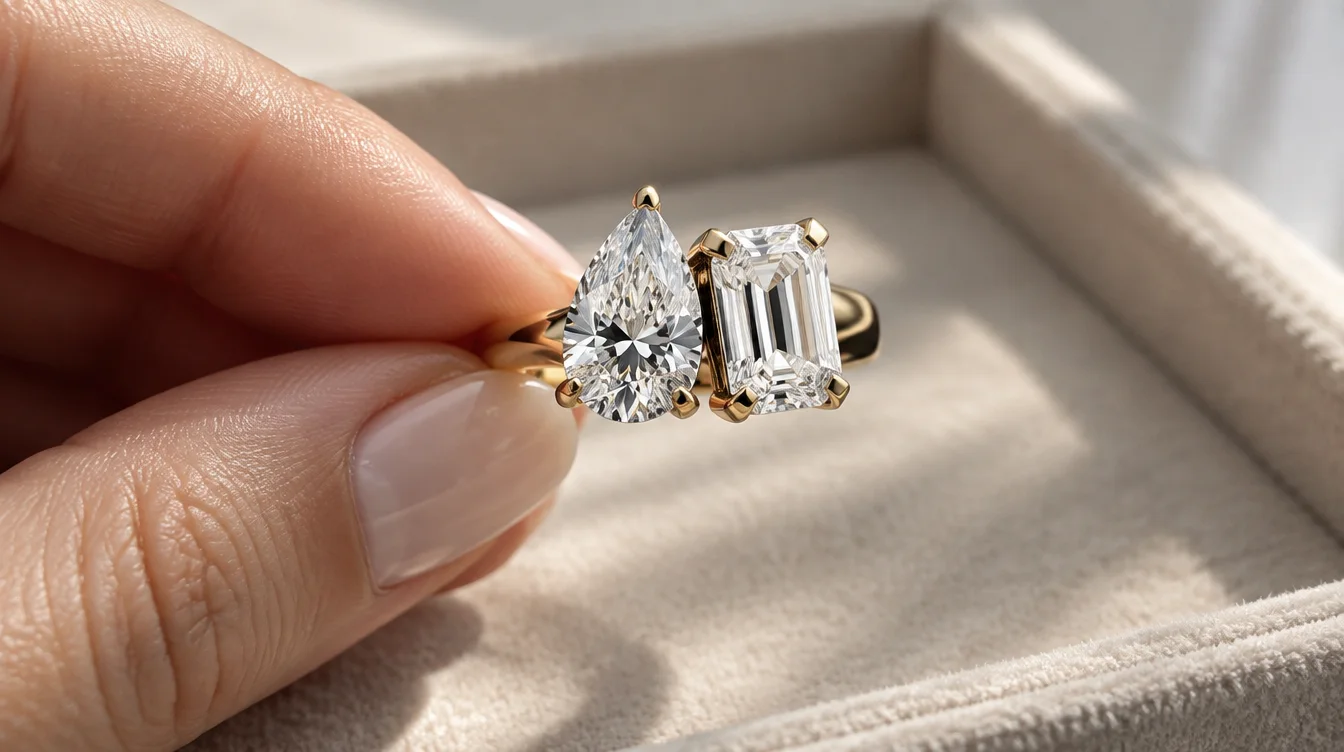
Two gemstones do not need the same sparkle, but their different light patterns should look intentional. A brilliant cut can show lively flashes beside the quieter reflections of an emerald cut. That contrast is part of the appeal of a pear and emerald cut toi et moi ring. If the lively stone seems to erase its partner, try a stronger color or a more open placement for the quieter one.
Turn the pair together
Keep the stones side by side as you move them under normal light. Do not judge one under a spotlight and the other near a window. Check them straight on and at the slight angles you will see while wearing the ring. You are looking for a pair you enjoy across those views, not a perfect moment in one photo.
Watch the angle of each long stone
A pear tip can point toward its partner or lead away from it. An oval may sit upright, lean inward or cross the finger at a slant. Small turns change the ring’s sense of movement. Ask the jeweler which positions leave room for secure settings without losing the shape you like.
Look at the space between settings
Gemstones are not set as bare outlines. Prongs and other setting parts occupy space near the meeting point. Have the proposed settings shown in the design, so the finished ring does not look more crowded than the loose stones did. After the visual checks, there is one practical test left.
Match wear and care to your real routine
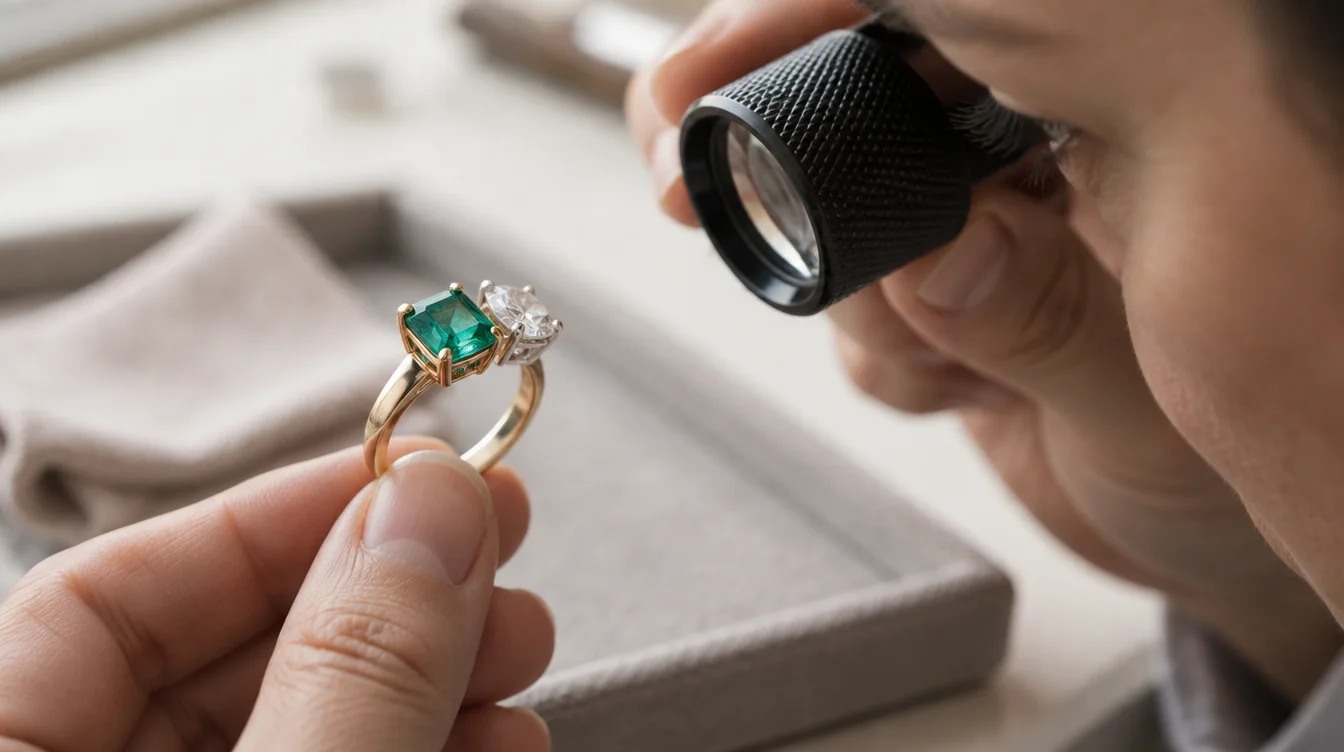
A beautiful pair is worth choosing only if its care needs fit how you will wear the ring. A toi et moi birthstone ring can carry personal meaning, but meaning does not make every gem equally suited to frequent hand wear. Tell your jeweler whether the ring is for daily wear, occasional wear or a special event.
If one candidate is an emerald gemstone and the other is a diamond, ask about the emerald’s condition, any disclosed treatment, the planned setting and cleaning advice for the finished ring. An emerald gemstone is not the same thing as an emerald cut diamond. The distinction matters when weighing stones for the same ring; the emerald and diamond ring guide goes deeper into that choice.
Check both gems for vulnerable points or exposed edges in the proposed layout. Ask how you should clean the complete ring, since one stone’s care needs may set the limit for the pair. If you would rather not adjust your habits, ask for another gem in the color you love. Now you can make the choice with the whole ring in mind.
Make the final choice with one side by side test
The simplest way to decide is to compare two complete pairings under the same conditions. Use the same lighting, finger view and approximate setting for each. Changing several things at once makes it hard to tell why you prefer one.
First, name what each pairing does well. Perhaps the sapphire and diamond toi et moi ring has clearer color contrast, while two colored gems tell a more personal story. Then note what each pairing gives up. Does the sapphire dominate? Do the colored gems blur together from a distance? A choice gets easier when you can describe the tradeoff.
Next, check the pair at a glance. Can you see two focal points? Does the outline suit your hand? Will the planned settings protect the edges and leave each gem visible? Finally, ask whether the care advice fits your routine. That is how to pair gemstones for a toi et moi ring without choosing beauty at the expense of wearability.
If both options pass, choose the one you keep wanting to look at. If neither passes, change one variable at a time. These common questions can help narrow that next change.
Questions buyers ask before choosing two stones
Most last minute doubts come down to size, shape, color or meaning. The answers are clearer when you judge the actual pair rather than a category of gems.
Do the two gemstones need the same carat weight?
No. Compare their visible dimensions and the way they sit together instead. Equal weights can look unequal when the cuts or gemstone materials differ.
Can two different birthstones look balanced?
Yes, a toi et moi birthstone ring can balance two different colors. Adjust the shades, sizes or angles if one stone draws all the attention, and check whether both gems suit the ring’s wear schedule.
What if I like two very different cuts?
Different toi et moi ring shapes can work well when their outlines meet neatly and both remain easy to see. Try several orientations before changing the gemstones themselves.
How do I choose between a matched pair and a contrasting pair?
Matched gems give a calmer, more even look. Contrast gives each stone a stronger identity, but asks for more care with size and placement. Use the look you enjoy on your hand as the deciding test.
Those answers should help you judge the ring as one piece.
Choose the pair you love wearing together
Knowing how to pair gemstones for a toi et moi ring means judging both stones together. See them side by side, from above and on your hand. Compare their color, size, shape and light. Then talk through the setting and care with your jeweler.
Bring your two favorite pairings to that conversation. Ask to see each in the proposed layout before you commit. The right pair will feel like two gemstones you chose on purpose, together.