How Many Sizes Can a Ring Be Sized Down Before You Wreck It
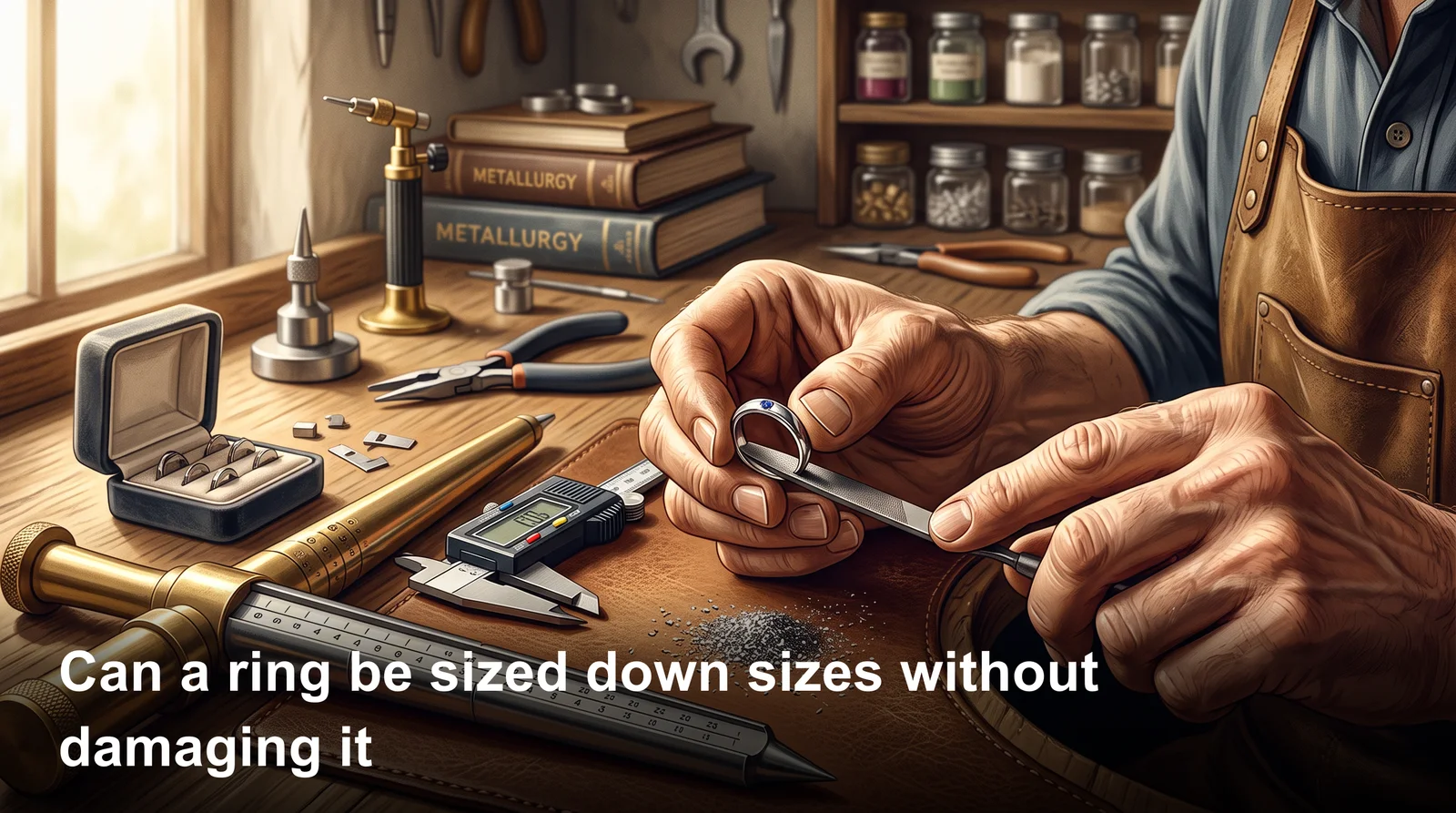
Your ring spins on your finger. It slides off in cold water. So you ask the obvious question. How many sizes can a ring be sized down without ruining it? Here's the short answer. Most rings handle two full sizes down with no trouble. Some plain bands can go further. A few can't move at all. I've spent years around jewelers' benches. I've seen rings saved and I've seen rings destroyed.
Two sizes is the safe working limit for a stone set ring. Plain gold or silver bands can often drop three or even four sizes. Eternity bands and tension settings usually can't be sized at all. The metal type, the setting style, and the band width all change the math. Let's break down what really decides it.
So How Many Sizes Can a Ring Be Sized Down Safely
Most rings can safely come down two full sizes. That's the number nearly every bench jeweler will quote you. Past that point, the shape and stone security start to suffer.
Think about what's happening. To shrink a ring, the jeweler cuts out a piece of metal. Then they close the gap and solder it shut. Remove too much and the round shape distorts. Stones sit closer together than they were designed to sit.
Plain Metal Bands Have the Most Room
A plain band with no stones is the easiest job in the shop. Gold, silver, and platinum bands can drop three to four sizes. I've seen a skilled jeweler take a wide gold band down five sizes. The result looked factory fresh.
Width matters here too. A 2mm band shrinks easily. An 8mm men's band needs far more metal removed for the same size change. Wide bands also fit tighter, so people often need less of a change than they think.
Stone Set Rings Have Far Less Room
Once stones enter the picture, your limit drops fast. A solitaire with a plain shank still handles two sizes. A ring with stones running halfway down the band handles one, maybe two.
Heat is the enemy. Some gems crack under a torch. Emeralds, opals, and pearls can't take it. The jeweler has to pull stones first or use a laser welder.
Pave and Channel Settings Are the Tightest Cases
Pave bands hold dozens of tiny stones in shared beads. Shrinking the band pushes those beads closer. Stones start to rub. Some pop loose within months.
Channel settings behave the same way. Squeeze the channel and the walls bow inward. A good jeweler will tell you one size max. Some will refuse outright.
Grasp the limit's one thing. Knowing what happens at the bench helps you judge whether the work is worth it.
What a Jeweler Actually Does to Shrink Your Ring
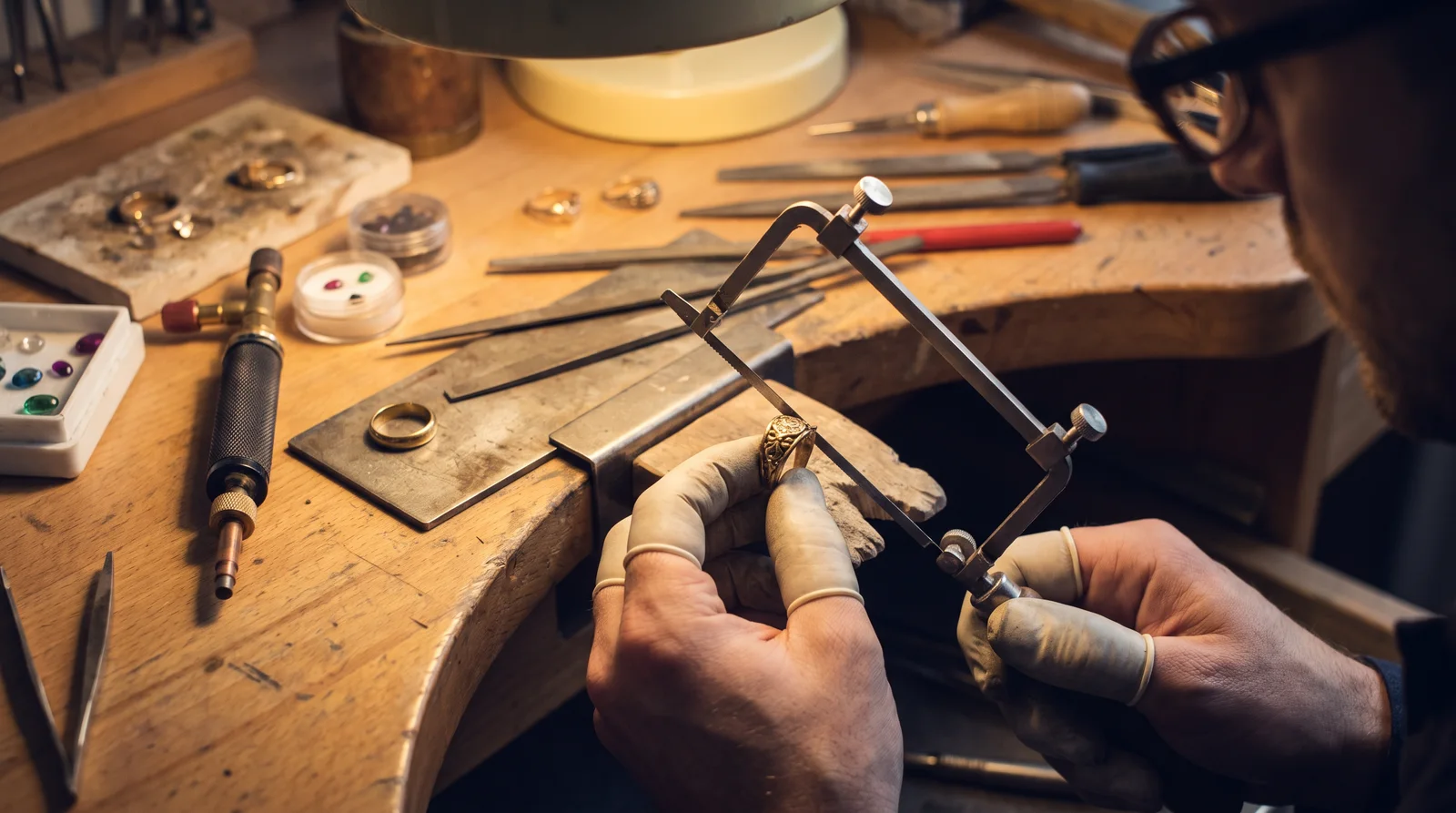
A jeweler shrinks your ring by cutting out metal and rejoining the ends. That's the standard method for almost every ring. All else is a variation on it.
The Cut and Solder Method
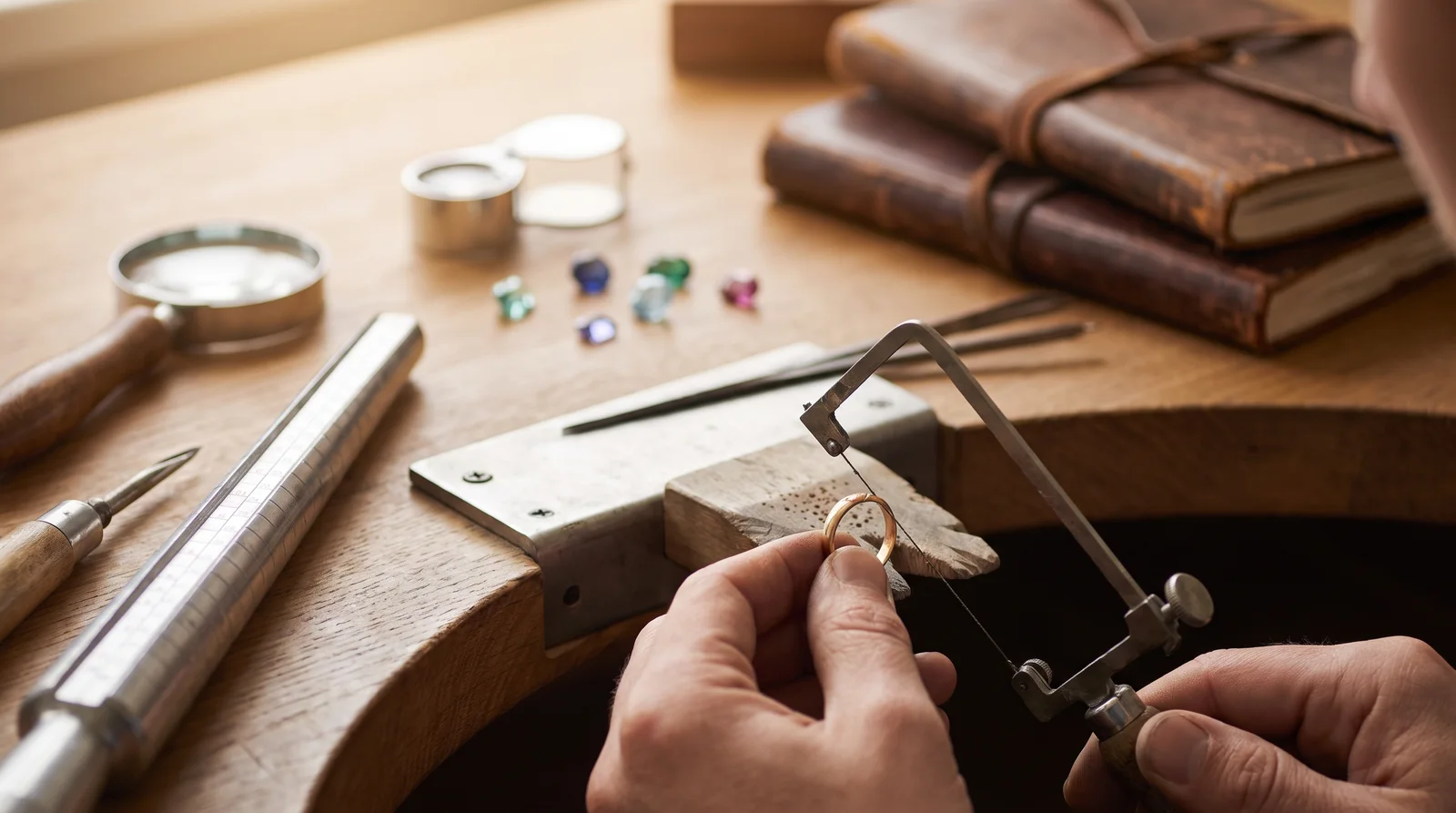
First the jeweler marks the bottom of the shank. Then they saw out a small wedge of metal. The two ends get pressed together and soldered.
After that comes cleanup. They file the joint, round the ring on a mandrel, and polish it. A good solder seam is invisible. A bad one shows as a faint line or a color shift.
Compression and Stretching Without a Cut
Sometimes a ring only needs a half size. In that case the jeweler may compress it in a press. No cut, no solder, no seam.
Compression only works on plain bands. It also thins or thickens the metal slightly. Push it too far and you get a warped, oval ring that never sits right again.
Why Laser Welding Changed the Game for Delicate Rings
Laser welders put heat in a spot the size of a pinhead. That means the jeweler can work near stones without cooking them. Opals and emeralds survive jobs that a torch would ruin.
Not every shop owns one. A laser welder runs $15,000 to $40,000. Ask before you hand over a ring with heat sensitive gems.
Now for the question most people are really asking when they hesitate.
Does Resizing Damage a Ring or Is That a Myth
Done well, resizing doesn't damage a ring. Done badly, it absolutely can. So the honest answer to does resizing damage a ring is that it depends entirely on the hands doing the work.
A clean resize leaves the ring as strong as it was. The solder joint on a gold band, when done right, holds fine for decades. I've handled rings resized three times over forty years that still look perfect.
What Bad Resizing Actually Looks Like
Poor work shows up in a few ways. You'll see a visible seam at the bottom of the shank. Sometimes there's a dull patch where the polish never matched.
Worse problems hide inside. Overheating can make gold brittle near the joint. Loose stones show up weeks later. Porosity in the solder creates a weak point that cracks under a knock.
How Many Resizes Is Too Many
Each resize removes a little metal and adds a little heat. Most jewelers say three to four resizes over a ring's life is fine. Past that, the shank gets thin.
The fix is simple. A jeweler can add a new shank for $80 to $250. That gives you fresh metal to work with. So when someone asks does resizing damage a ring after several rounds, the real risk is a worn shank, not the sizing itself.
Of course, none of this matters if your ring can't be sized in the first place.
Can All Rings Be Resized or Are Some Off Limits
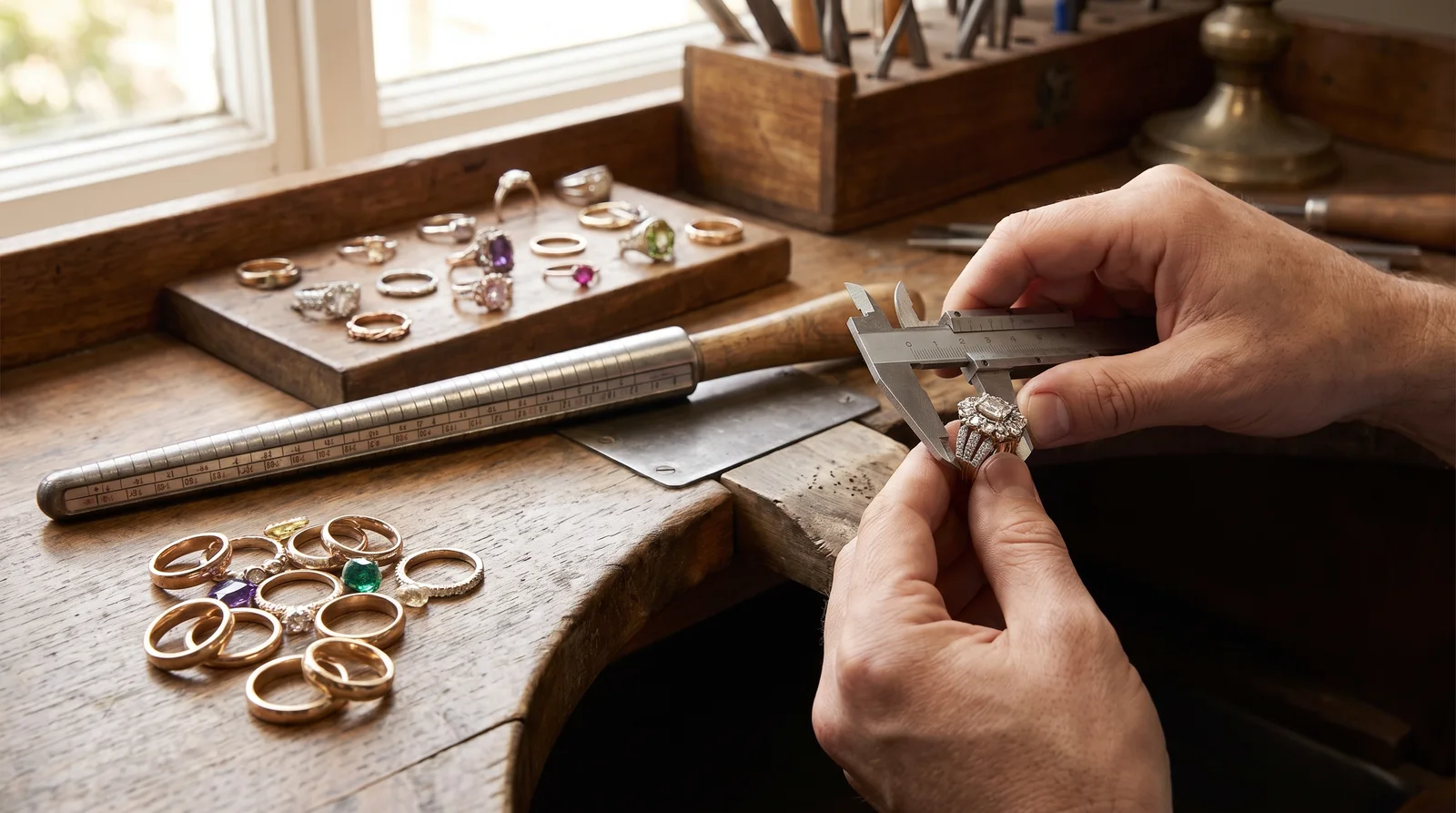
No, not every ring can be resized. Can all rings be resized is one of the most common questions jewelers hear, and the answer disappoints a lot of people. Material and design both create hard limits.
Rings That Can't Be Resized
Some rings simply won't move. Here are the rings that can't be resized by any normal method.
- Tungsten carbide. Too hard to cut and solder. It shatters instead.
- Titanium. Some shops can stretch it slightly. Most can't touch it.
- Stainless steel. Doable in rare cases, but few jewelers take the job.
- Ceramic and cobalt. No resizing at all.
- Full eternity bands. Stones circle the entire band, so there's nothing to cut.
- Tension set rings. The setting relies on exact spring pressure.
What to Do If You Own One
Many tungsten and ceramic brands offer lifetime size exchange. You send the ring back and they mail a new size. Check your warranty card before you panic.
For eternity bands, the usual answer is a remake. Your jeweler resets the stones into a new band. That costs real money but saves the diamonds.
Rings With Engraving or Inlay
Deep engraving around the shank complicates things. Cutting the band interrupts the pattern. A skilled engraver can rework it, but expect an extra charge.
Wood, meteorite, and stone inlays are similar. Cutting the channel usually breaks the inlay. Ask first.
Assuming your ring can be sized, the next thing you'll want to know is the damage to your wallet.
What Ring Resizing Cost Looks Like Right Now
A basic ring resizing cost runs between $30 and $150 in most US shops. Complex jobs climb from there. Metal type and stone count drive the price more than anything.
Typical Price Ranges by Job
A plain silver band sizing down one size costs about $30 to $50. A 14k gold band runs $50 to $90. Platinum jumps to $90 to $175 because it melts hotter and works slower.
Add stones and the number climbs. A pave ring with 20 small diamonds can hit $200 or more. Stones need checking and tightening after the heat.
What Pushes the Price Up
Rhodium plating adds $40 to $70 on white gold. Skip it and your ring may look yellowish at the seam. Full polish and steam cleaning is usually included.
Rush jobs cost more. Standard turnaround is five to ten business days. Same day service, where offered, can double the ring resizing cost.
Chain Stores Versus Independent Benches
Mall chains often send rings to a central shop. That's fine for simple work. For antique or heavily set rings, find an independent bench jeweler.
Ask one question before you book. Is the work done in house or shipped out? In house means fewer hands and less risk.
If the price or the risk gives you pause, you have other options.
How to Make a Ring Smaller Without Resizing
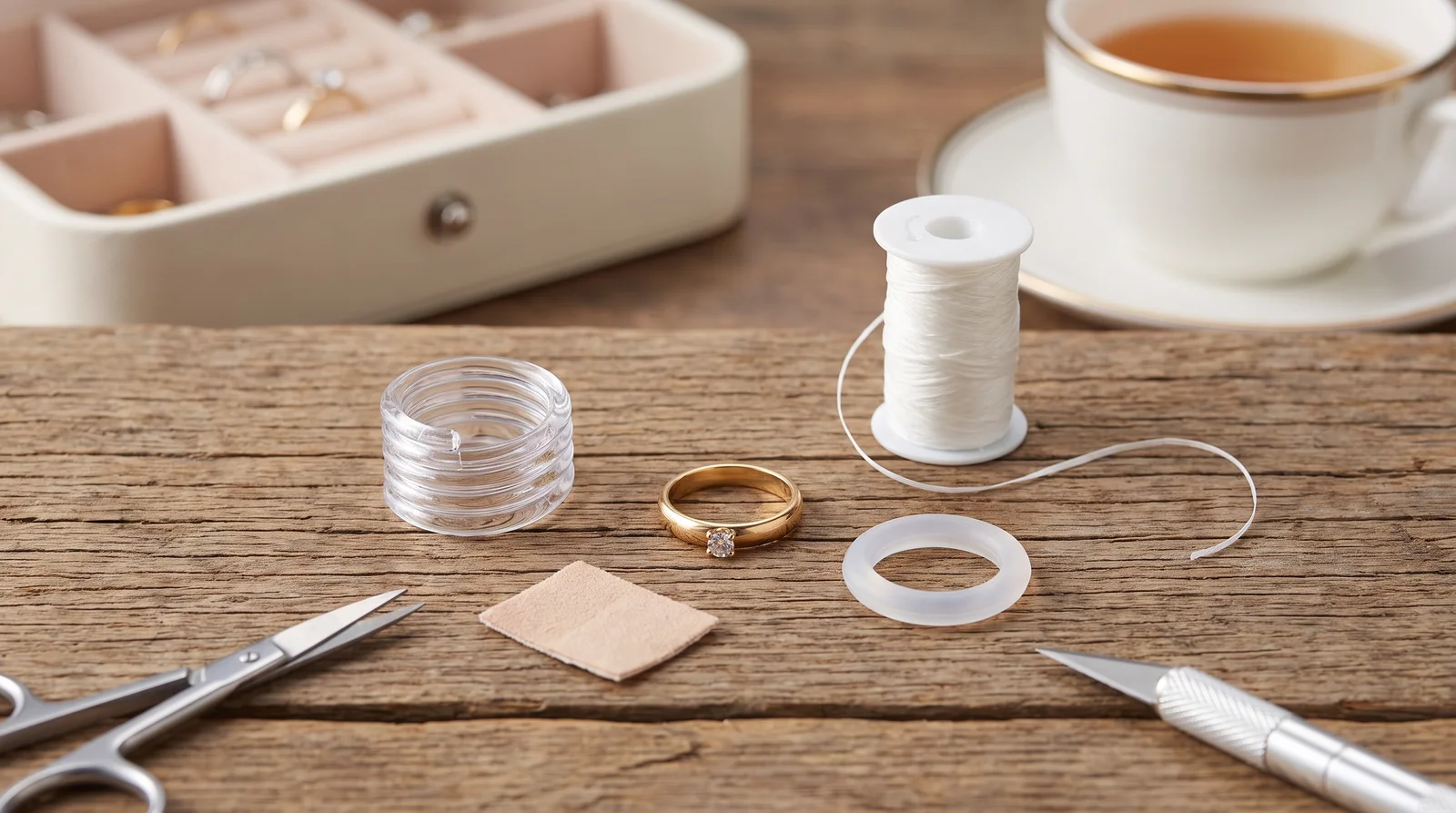
You can shrink the fit without cutting the band at all. Learning how to make a ring smaller without resizing saves money and keeps the original metal untouched. These methods work best for small adjustments of a half size or less.
Sizing Beads for Rings
Sizing beads are two small metal balls soldered inside the bottom of the shank. They push your finger up slightly and stop the ring from spinning. Sizing beads for rings usually cost $30 to $60.
They shrink the fit by about a quarter to a half size. The upside is that they're reversible. A jeweler can grind them off later.
Who Sizing Beads Work Best For
Beads shine for people with large knuckles. Your ring slides over the knuckle, then the beads hold it steady. Anyone whose fingers swell in heat also benefits.
The downside is feel. Some people notice the bumps for a week or two. Most stop noticing after that. Sizing beads for rings are the most requested no cut fix I see.
Spring Inserts and Ring Guards
A spring insert is a curved metal bar fitted inside the shank. It flexes over your knuckle and grips below it. Cost is usually $40 to $80.
Plastic ring guards are the cheap route. They cost a few dollars online. They yellow, they trap grime, and they look obvious. Fine for a week, bad for a year.
Fold Over Clasps and Hinged Shanks
Arthritis sufferers often need something bigger. A hinged shank opens on one side and clicks shut. Expect $200 to $500 for quality work.
That's real money. Still, it beats never wearing the ring again. Anyone researching how to make a ring smaller without resizing should keep this option in mind for stiff joints.
One more decision trips people up before they ever hand over the ring.
Is It Better to Size a Ring Up or Down
Sizing down is usually safer than sizing up. Is it better to size a ring up or down comes down to what happens to the metal. Going down removes material. Going up stretches or adds it.
Why Going Down Is Gentler
When you shrink a ring, the shank keeps its original thickness. Nothing thins out. The stones sit in a slightly tighter arc, and that's the main worry.
Sizing up is other. Stretching thins the band. Adding metal means matching color and karat exactly. A mismatch shows.
When Sizing Up Is Still Fine
Going up one size on a plain band is a non issue. Any jeweler handles it. Problems start at two or more sizes up on a thin or stone set ring.
So if you're weighing is it better to size a ring up or down, sizing down wins on structure. Just respect the two size rule.
Frequently Asked Questions
How many sizes can a ring be sized down at once?
Most jewelers will take a ring down two sizes in one sitting. Plain bands can sometimes go three or four. Stone set rings should stay at one or two.
Can a jeweler make a ring smaller for free?
Many retailers include one free resize within the first year of buy. Check your receipt or warranty. After that window, standard ring resizing cost applies.
Does sizing down damage the diamonds?
Diamonds themselves handle heat well. The risk is to the prongs and the setting, not the stone. Always ask for a stone tightening check after the work.
Why won't my jeweler resize my eternity band?
Stones run all the way around, so there's no plain metal to cut. Eternity bands sit firmly among the rings that can't be resized. A remake is the usual path.
What's the fastest way to stop a ring from spinning?
Sizing beads or a spring insert both work in a day or two. Neither one cuts the band. Both are reversible if you change your mind.
The Useful Takeaway
Two sizes down is your safe zone. That's the number to hold in your head. Plain bands stretch that limit, and heavily set rings shrink it.
Before you book anything, ask three things. Is the work done in house? Will the stones be checked after? Can I see a resized case?
A good jeweler answers all three without blinking. A shaky one changes the subject. That conversation tells you more than any price quote.
If your ring keeps spinning, stop putting it off. Take it to a bench jeweler you trust and get a real assessment. Bring this article with you and ask the hard questions. Your ring should fit well and stay on your hand for the next fifty years.