How Heavy Can a Pendant Be for a Chain Before It Snaps or Bends?

You just found the perfect pendant. It's bold. It's heavy. And now you're wondering if your chain can even handle it.
Here's the short answer. Most thin chains break under pendants over 5 to 7 grams. Thicker chains can handle 10 grams or more. The real answer depends on chain width, metal type, and link style. Let's break it down.
How Heavy Can a Pendant Be for a Chain Without Causing Damage?
A pendant becomes risky once it weighs more than the chain can support at its weakest point. That weak point is usually the clasp or the jump ring, not the chain itself.
As a rule of thumb, a chain under 1mm wide should carry pendants under 3 grams. A chain between 1.5mm and 2mm can handle up to 8 grams. Anything above 2.5mm can often support 10 to 15 grams safely.
These aren't strict laws. They're guidelines based on how metal stretches under stress. I've seen thin box chains snap in six months under a 6 gram pendant. I've also seen a 2mm curb chain carry a 12 gram pendant for years without issue.
So weight alone doesn't tell the full story. Chain style matters just as much. Let's look at why.
Best Chain Thickness for Heavy Pendant Styles
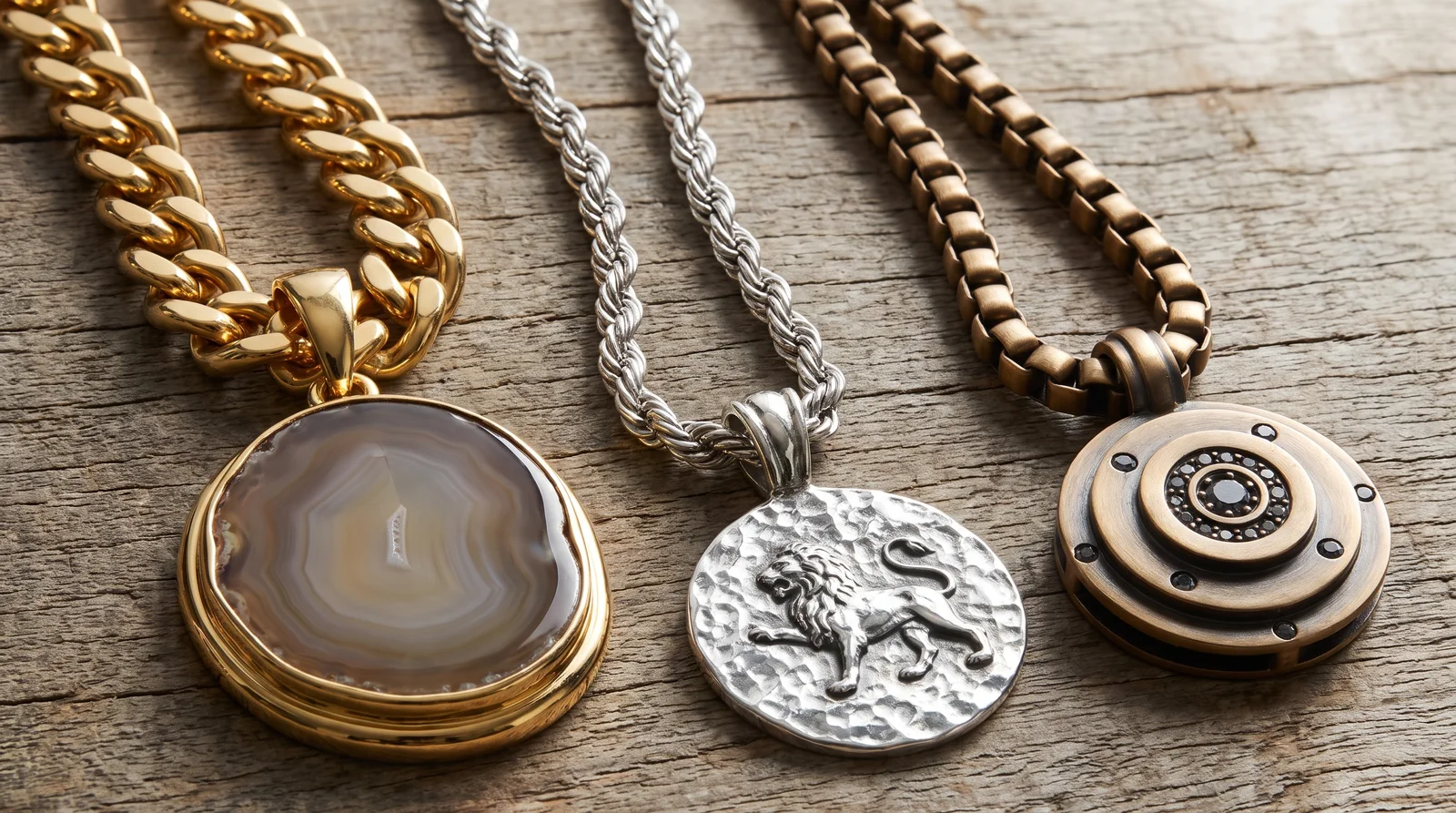
The best chain thickness for a heavy pendant is anything 1.5mm or wider, built with soldered links. Thin chains bend and stretch. Thick chains resist that stress.
Why Link Style Changes the Math
Not all chains are built the same, even at the same width. A curb chain locks each link tight. A rope chain twists for extra strength. A cable chain is more basic and wears faster under load.
Franco and curb chains tend to hold weight best. Box chains look great but often can't take heavy pendants long term. I always tell clients this when they bring in a vintage tie pin they want turned into a pendant. If you're doing something similar, our guide on how to turn a tie pin into a pendant without ruining it walks through exactly how to avoid stressing a chain that's too delicate for the job.
What Metal Type Adds to the Equation
Gold is soft. 14k holds up better than 24k under weight. Platinum and white gold chains resist stretching more than yellow gold at the same thickness.
This matters more than people think. A soft 24k chain paired with a heavy pendant is a bad combo. We cover this exact issue in our piece on why most 24k gold pendants get ruined in the first year, and the chain plays a bigger role than most buyers realize.
Chain Width for Pendant Weight Explained Simply
Chain width for pendant weight comes down to one idea. Wider chains spread stress across more metal. Thinner chains concentrate it in one spot. Think of it like carrying a bag with a shoelace versus a rope handle. The shoelace cuts into your hand fast. The rope doesn't.
A 2023 metals durability review from a jewelry trade group found that chains under 1mm failed nearly 3 times faster under repeated pendant stress compared to chains over 2mm. That's a big gap for something as simple as width.
Now let's talk about what actually breaks first.
Will a Heavy Pendant Break My Chain or Just the Clasp?
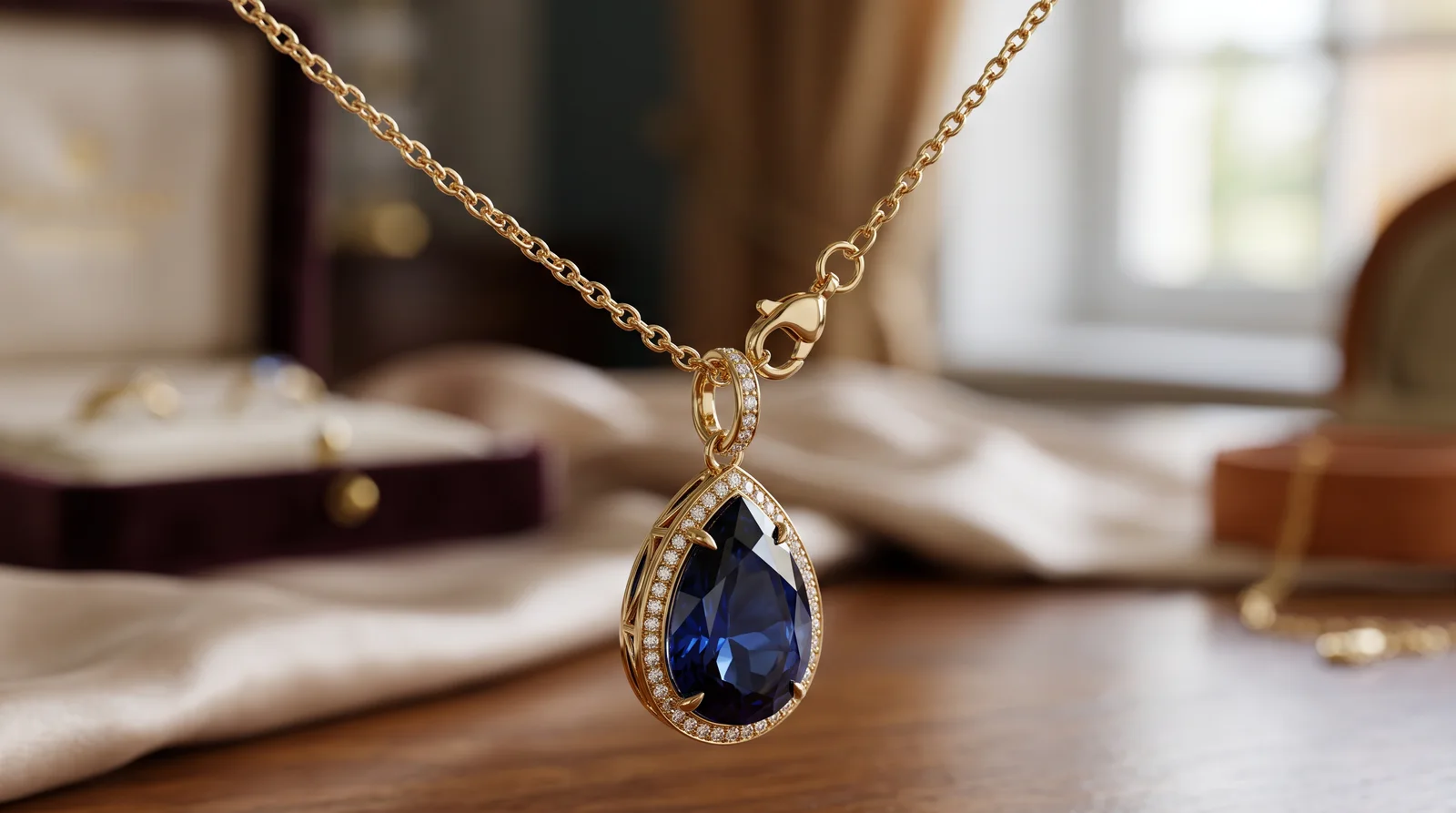
In most cases, the clasp fails before the chain does. Clasps are smaller, thinner, and built with more moving parts.
A lobster clasp under constant pull can start sticking or stop closing fully. We explain this exact failure pattern in our article on why a lobster clasp sticks or stops closing completely. Heavy pendants speed up that wear.
You might also notice your clasp sliding to the front of your neck. That's not random. It's often a sign of weight imbalance from the pendant. Our post on why your necklace clasp moves to the front breaks down how pendant weight plays into that shift.
How to Know If a Chain Is Too Thin for a Pendant
A chain is too thin if it stretches, kinks, or shows thinning links after a few weeks of wear. That stretching is early warning, not normal aging.
Signs to Check at Home
Lay the chain flat. Look for uneven gaps between links. Check the clasp area for bending. If the chain feels loose or floppy where the pendant sits, that's a red flag.
When to See a Jeweler
If a link looks stretched into an oval shape, stop wearing it. That's the same kind of metal fatigue we see in dented hollow gold bangles, which we cover in our piece on whether a dented hollow gold bangle can be repaired. Weight stress shows up the same way across other jewelry types.
How to Match Chain Thickness With Pendant Size the Right Way

The easiest method is pairing pendant weight to chain width using a simple ratio. Light pendants under 3 grams pair well with thin chains. Anything heavier needs at least 1.5mm to 2mm width. If you're buying a statement pendant, ask for a curb or Cuban link chain. They're built for this kind of load.
Frequently Asked Questions
How heavy can a pendant be for a chain to stay safe long term?
Most chains under 1.5mm should stay under 5 grams. Thicker chains can handle up to 15 grams depending on the link style.
Will a heavy pendant break my chain right away?
Not usually. Damage builds slowly through stretching and thinning links before a full break happens.
Can I fix a stretched chain instead of replacing it?
Sometimes, but stretched links are weaker even after repair. A jeweler can tell you if it's worth saving.
Does chain material affect how much weight it can hold?
Yes. Platinum and 14k gold hold weight better than soft 24k gold or thin plated chains.
Final Thoughts on Choosing the Right Chain for Your Pendant
Picking the right chain isn't about guessing. It's about matching width, metal, and link style to the pendant you love. A little planning now saves you from a snapped chain later. If you're unsure what your current chain can handle, bring it in and let a jeweler take a real look. Your pendant deserves a chain built to carry it, not just hold it for a few months.