Is the hearts and arrows diamond premium Worth Paying for Sparkle You May Not See?
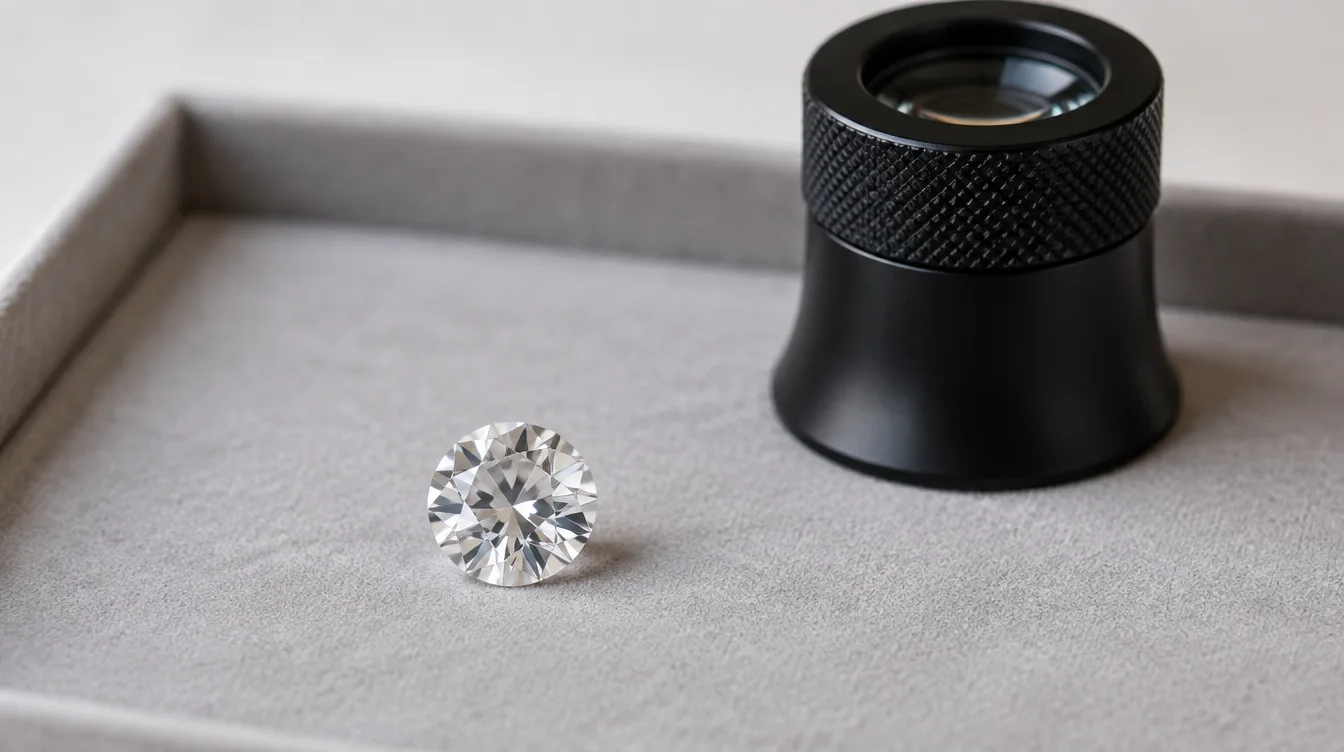
The hearts and arrows diamond premium is worth paying if you value proven cutting precision and prefer the stone in ordinary light. If a less costly round looks just as good, the premium is harder to justify. Compare both under the same lights. Then ask whether the price gap buys a look you can see or precision you want to own.
What the hearts and arrows diamond premium actually buys
The premium buys unusually consistent facet alignment, not a guarantee that the diamond will look brighter than every less costly round. In a hearts and arrows round brilliant, a special viewer shows eight arrows from the top and eight hearts from the bottom. Those patterns give you a way to judge how evenly the facets work together. They are not patterns you should expect to see in a worn ring without the viewer, as Diamond Ateliers explains.
That distinction matters when you are choosing between two attractive stones. Hearts and arrows diamonds can be appealing because the workmanship is easy to document. Yet a label alone says little about whether you will notice a difference once the diamond is set, worn, and seen across a dinner table.
Think of the premium as paying for precision first. If you also prefer the sparkle, that is another reason to buy. The pattern may still matter to you if both diamonds look alike. But it should not be sold as an obvious visual upgrade.
Cutting choices affect the price of a stone, but a seller’s premium can also reflect branding and how the diamonds are presented. You cannot separate those factors from an asking price alone. Ask what evidence comes with the specific diamond, rather than assuming every stone with the same label offers the same result.
To judge what you are paying for, start with the images behind the claim.
What pattern images prove and what they cannot tell you
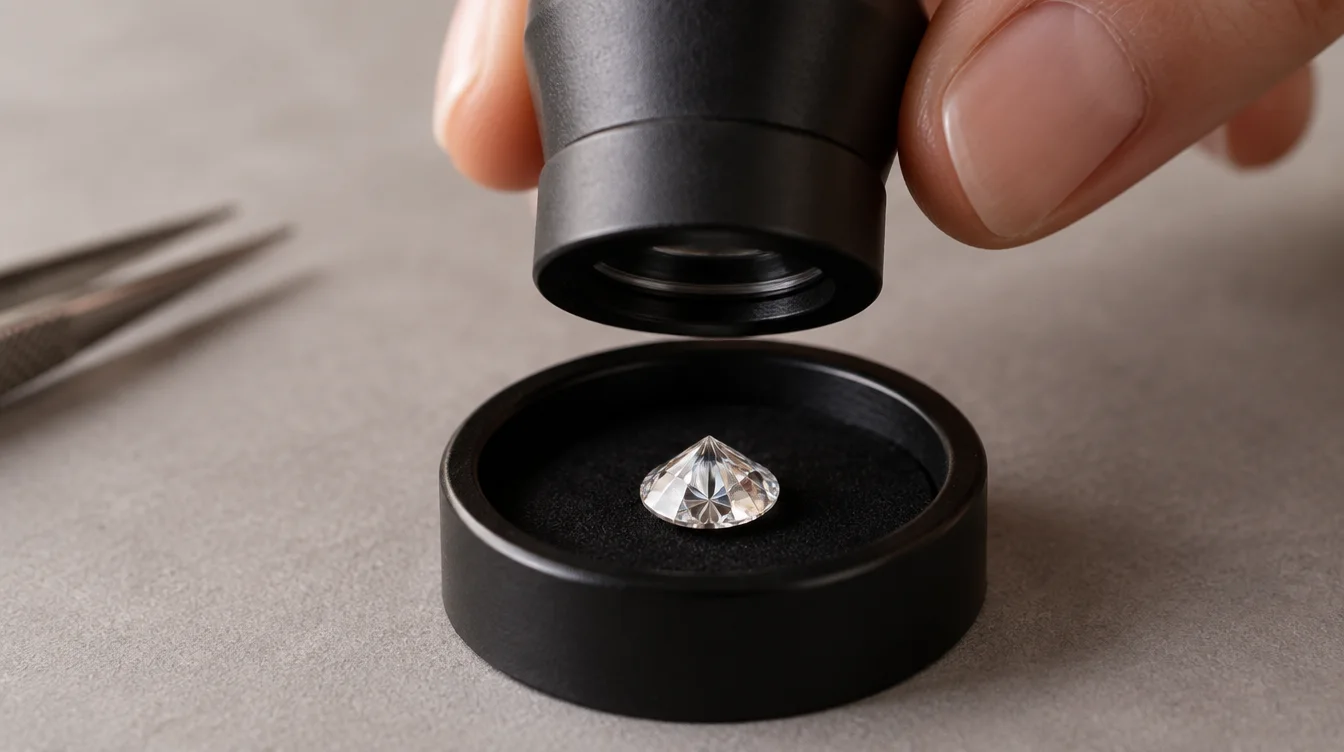
Hearts and arrows images can show even facet patterns. They cannot tell you how much you will enjoy a diamond each day. The hearts view shows the pavilion, or bottom, of a loose stone. The arrows view shows its crown, or top. Compare both views of the diamond for sale, not sample images from a collection.
Read the hearts before admiring the arrows
The arrows image catches the eye. It can also make a near match seem convincing. Check each arrow’s shape and spacing, then look at the hearts. Are all eight hearts complete and similar in size? Are the edges clean, or is one heart split or uneven? These questions help you judge diamond optical symmetry. They do not mean every image must look computer made.
Image quality matters too. A tilted stone or uneven light can affect what you see. Ask the seller to confirm that both photos show the listed diamond. Request its report number as well. If a heart looks odd, ask for a clearer image before blaming the cut. The Brian Gavin Diamonds explanation of optical precision shows how small differences in facet shape and alignment can change the pattern.
Keep pattern and light performance separate
A hearts and arrows viewer reveals the pattern. An IdealScope or ASET image shows light behavior in a different way. These tests are not the same. Clean hearts support a claim about facet alignment. They do not prove the stone returns more light than another diamond. Your Diamond Teacher’s comparison of the viewer types makes that distinction clear.
So how to identify hearts and arrows diamonds without trusting a sales image alone? Match the report number to the listing. Ask for real top and bottom pattern views. Does the seller claim better light return? Ask for light performance images too. Then look at the diamond itself. Images narrow your choices; they cannot choose for your eyes.
Next, compare those images with the cut grade. Each answers a different question.
Why a top cut grade is not the same as optical symmetry
A top cut grade does not require a full hearts and arrows pattern. Cut grading looks at the diamond’s overall make. The viewer shows a result of its facet alignment. A round can earn an Excellent or Ideal grade yet have uneven hearts. A neat pattern cannot excuse proportions or light behavior you dislike.
Hearts and arrows vs GIA excellent
Hearts and arrows vs GIA excellent is not a comparison of two grades. GIA Excellent is a cut grade for a round brilliant. Hearts and arrows is a pattern seen through a viewer. The supplied USA Jewels guide to these categories says GIA does not issue a separate hearts and arrows grade. If a seller says “GIA certified hearts and arrows,” ask which document grades the cut. Ask what proof supports the pattern claim too.
That does not make a GIA Excellent diamond a poor choice. The grade can cover a range of looks. Inspect the stone rather than relying on those two words. A strong candidate may give you the look you want without the pattern premium. A verified pattern may give a precision minded buyer more confidence than the grade alone.
Hearts and arrows vs ideal cut
The same applies to hearts and arrows vs ideal cut. “Ideal” may be a lab grade or a seller’s collection name. Ask what it means for that stone. An ideal cut diamond need not show eight clean hearts. Hearts and arrows diamonds still need a close look beyond the pattern.
Compare each stone’s report, pattern images, light performance details, and video. Use the same tests for both. More photos alone can make the premium stone seem better.
Once you have comparable evidence, the most useful test is still how each diamond looks away from the viewer.
Can you see the difference in normal lighting?
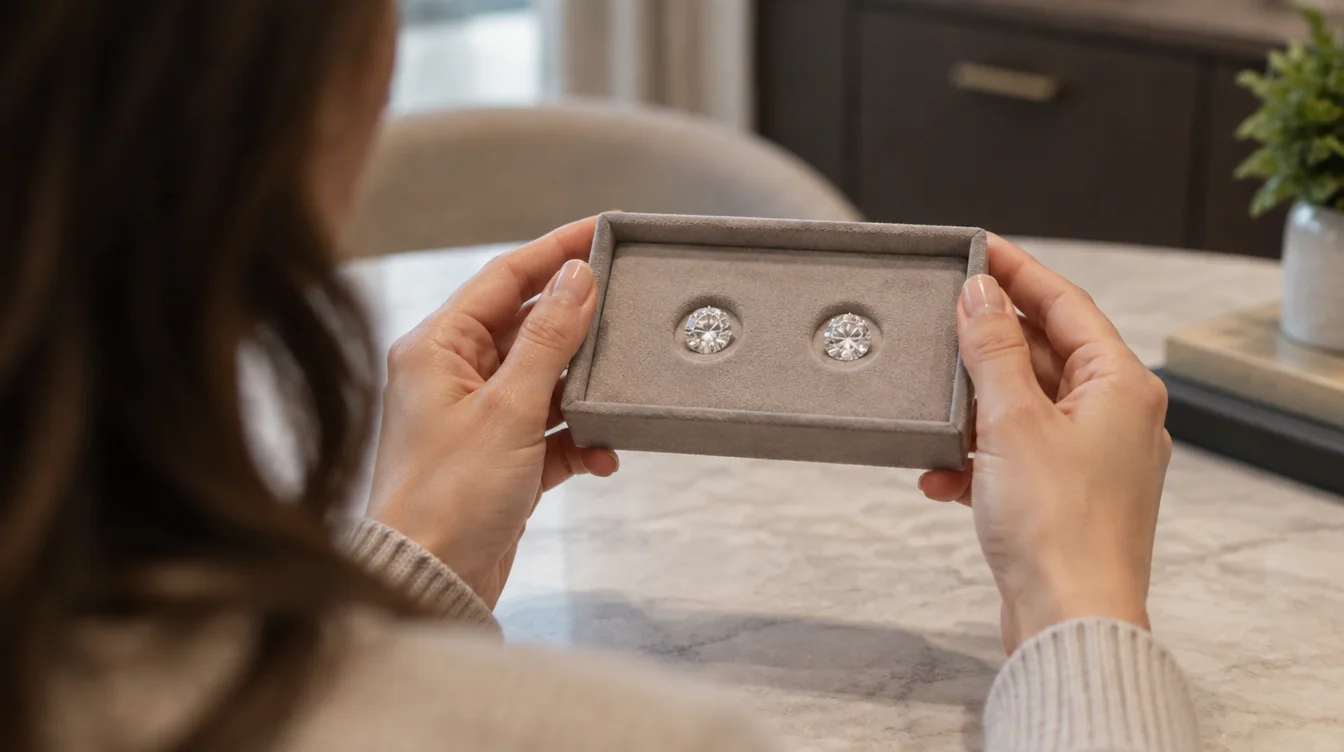
You may notice a different kind of sparkle. Do not assume the hearts and arrows stone will look brighter. Precise facet alignment can make light and dark reflections look more orderly. Some people like that crisp look. Others see little difference beside an appealing top grade round. The accounts in Diamond Ateliers’ discussion of appearance and Brian Gavin Diamonds’ account of sparkle reflect that difference in emphasis. Neither can tell you what your own pair of stones will look like.
Run a fair side by side comparison
View both loose diamonds under the same lights, from the same distance. Start with room light, not just bright jewelry counter spotlights. Move each stone gently. Are the flashes broad and clear, or smaller and busier? Then step back to the distance at which you would normally see a ring.
If you are shopping online, request videos made under comparable conditions. A video with different exposure, magnification, or lighting cannot give you a fair result. Ask whether you can examine both stones during a return period. That gives you time to view them at home, where the lighting is familiar.
Give each stone the same chance
Compare the loose stones before either is set, if you can. A setting changes what you see around the diamond. Clean both stones; residue can dull their appearance. Cover the prices at first. A higher price can make you expect a difference before you see one.
Decide what counts as visible to you
You do not need to spot a difference from across a room. Perhaps one diamond has calmer, more even flashes when you turn it in soft light. That preference is real, even if a friend would choose the other stone. But if you can identify the premium diamond only through a scope, say so plainly. Your money may be buying documented craft rather than a change you notice each day.
After that test, compare your preference with the real price gap.
How to measure the hearts and arrows diamond price gap
The useful hearts and arrows diamond price question is not “What percentage do these diamonds usually cost?” Ask instead, “What more would I pay for these two stones?” Published premium ranges cannot account for every difference in color, clarity, weight, measurements, seller policy, and documents. Check those details before comparing actual quotes.
A worked comparison using illustrative prices
Suppose a seller quotes US$4,800 for one loose round diamond. A similar loose round has verified hearts and arrows images. Suppose its quote is US$5,200. These are illustrative figures, not market quotes or a typical price range. The extra cost is US$400. Divide US$400 by the US$4,800 base price. The illustrative premium is about 8.3 percent.
Now make it personal. Would you pay US$400 for the difference you saw under the same lights? If you saw none, would you still pay for the precision shown in the images? Either answer is reasonable. You are judging a real choice, not reacting to a claimed industry average.
Compare total loose stone prices in the same currency. Check what each price includes. Look for shipping, tax, a grading report, extra images, and return terms. Compare natural stones with natural stones. Compare lab grown stones with lab grown stones. Match carat weight, color, clarity, fluorescence, and visible size closely. Those differences should not drive your choice. Equal carat weight does not make a smaller looking stone an equal match.
Do not treat the premium as money you will automatically recover. A buyer may value the documented pattern, but a future purchaser may focus on other features. If future sale value matters to you, request a written trade or buyback policy rather than counting on the hearts and arrows label.
The price gap has meaning only after you decide which differences belong to the diamonds and which belong to the offers.
When the hearts and arrows diamond premium is worth it
The hearts and arrows diamond premium is easiest to defend when three things line up. The pattern is documented, you like the stone, and the price gap fits your budget. Other shoppers need not see what you see. You need a reason that still feels sound after you compare the alternatives.
Picture two similar rounds in ordinary room light. One has the crisp flashes you prefer. It also has convincing hearts and arrows views. In that case, the extra cost buys both a look and proof of precision. A buyer who enjoys fine cutting may value both long after the purchase.
If both look equally good, ask a different question. Would owning the more precisely aligned diamond make you happier even though you cannot pick it out without the viewer? Some people care deeply about that detail. Others would rather keep the money. Neither group misunderstands diamonds.
Walk away from an unexplained premium. If the seller offers only a collection name, a stock photograph, or a claim that the stone “sparkles more,” you lack the evidence needed to judge the charge. Ask for the exact stone’s images and compare it with a well documented alternative. If those are unavailable, you can still buy a beautiful round, but you cannot fairly price the pattern claim.
Those choices raise a few practical questions worth answering before you order.
Frequently asked questions about the premium
These short answers cover the points that tend to decide a close comparison.
How to identify hearts and arrows diamonds before buying online?
Ask for top and bottom viewer images tied to the diamond’s report number. Check for eight complete, even hearts and arrows. Then ask for video in ordinary light. The pattern cannot tell you whether you will like the stone’s daily look.
Does a hearts and arrows pattern mean a diamond is brighter?
No. A hearts and arrows pattern supports a claim about facet alignment. It does not prove the stone is brighter than another top grade round. If brightness matters most, view the actual diamonds under the same lights.
Can a GIA Excellent diamond lack hearts and arrows?
Yes. In a hearts and arrows vs GIA excellent choice, the grade and pattern answer different questions. Ask for viewer images if you care about the pattern. Judge both stones by their looks as well.
What matters in a hearts and arrows vs ideal cut choice?
First, ask whether “ideal” is a report grade or a seller’s label. Compare both diamonds under the same lights. Use the same images, stone details, and price terms. Neither description alone promises a better looking stone.
Why does the hearts and arrows diamond price vary?
The pattern is only one difference between two stones or offers. Match the other stone details and seller terms closely. Then find the premium from two real quotes. Compare that amount with the difference you see.
With those answers in hand, the final choice can be pleasantly simple.
Choose the diamond, not just the label
A hearts and arrows claim deserves a close look, not blind trust. Ask for images of the exact stone. Compare it with a strong round alternative in normal light. Diamond optical symmetry may give you a look you love. You may instead value the precision for its own sake.
Before paying the hearts and arrows diamond premium, note the real price gap. Write down what the extra cost buys. If it still feels worthwhile when the scope is gone, choose it. If not, choose the round you find beautiful and keep the difference.