does wearing silver jewelry have health benefits? What the Claims Leave Out
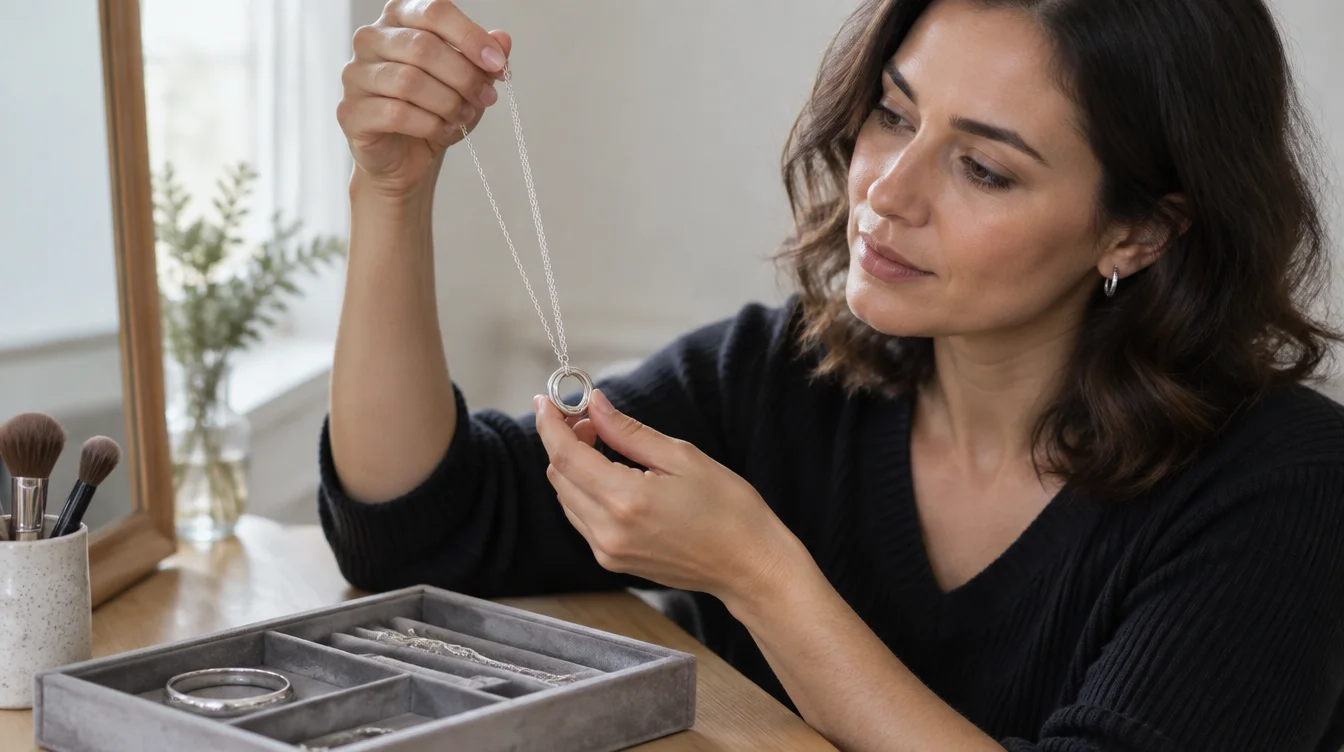
Ordinary silver jewelry has no proven medical benefit that should guide your purchase. If you ask, “does wearing silver jewelry have health benefits,” consider what you plan to wear. A medical silver product differs from a ring or necklace worn on intact skin. Choose silver because you like it. Do not count on it for pain relief, better circulation or protection from infection.
Why does wearing silver jewelry have health benefits sound plausible?
Silver has properties that can make a health claim sound plausible. That does not prove a benefit for someone wearing jewelry. Some medical and industrial products use silver for its effects on microbes. A review of different forms of silver also describes how silver compounds can affect living cells. Neither finding tells us what happens when someone wears an ordinary bracelet.
Product descriptions often blur that distinction. A seller may cite silver ions, then claim the piece “supports your health.” To support that claim, the finished jewelry would need to release a useful amount of silver. It would also need to reach the right place and improve health in people who wear it.
The product matters. A wound dressing touches an injured area under defined conditions. A polished ring sits on a finger. Calling both “silver” does not mean they have the same effect. The form of silver, the exposure and the intended use all matter, as the scientific review makes clear.
People can still value silver for personal or cultural reasons. A familiar necklace may help someone feel settled, and an inherited ring may carry real comfort. Those experiences need no medical claim to matter. To judge a health promise, though, start by asking what the research actually tested.
Is silver antibacterial when you wear it as jewelry?
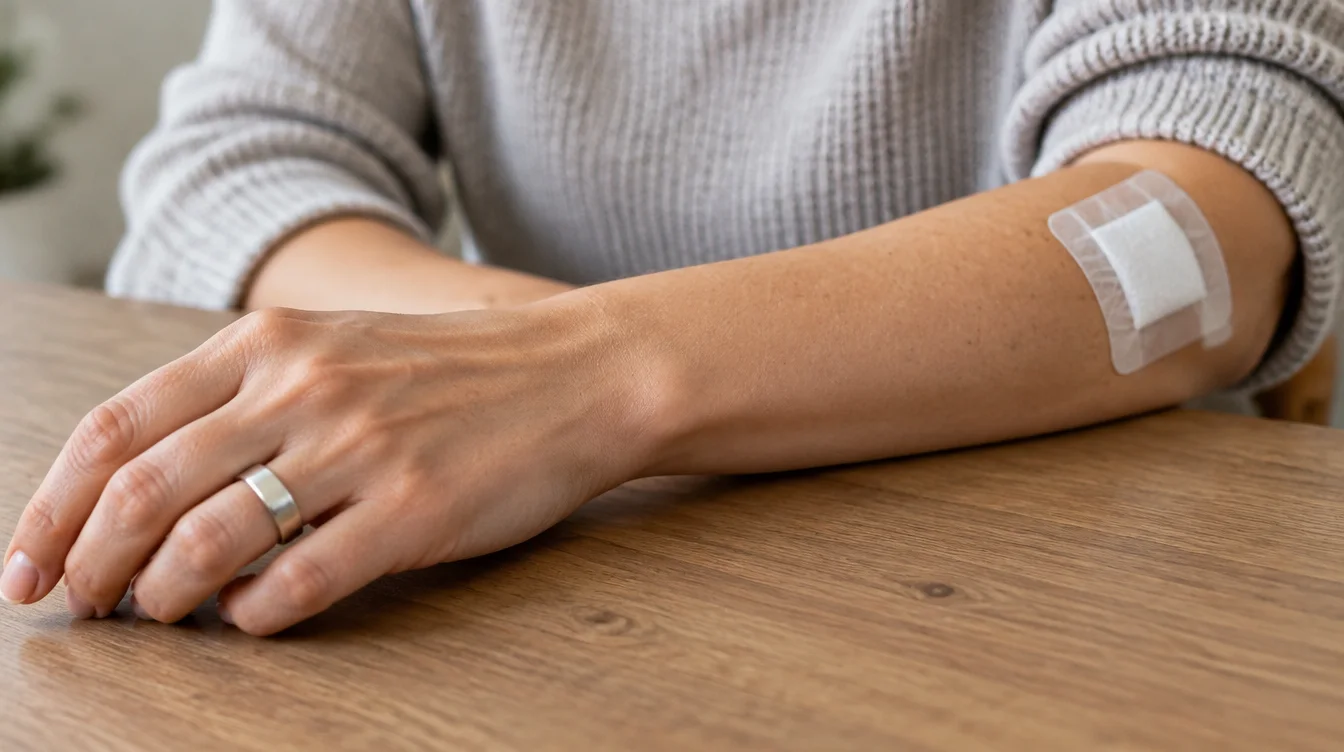
Some forms of silver can act against microbes under certain conditions. Ordinary silver jewelry is not proven to prevent infection. If you ask “is silver antibacterial,” also ask “which form of silver, at what dose, and under what conditions?” A lab result cannot answer that for every ring, earring or chain. Neither can a study of a medical dressing.
What the silver research does show
The review of silver’s effects on biological organisms discusses how silver affects microbes and can harm cells. It covers several forms of silver, including newer nanoscale forms. The form matters. Metallic jewelry, dissolved silver compounds and silver particles do not expose the body in the same way.
A medical product can be designed to deliver silver where it is needed. Its effect also depends on the product and the setting in which it is used. Your everyday jewelry has a different job. Even if silver ions are released from its surface, that alone does not show that wearing it lowers your risk of a skin infection.
A cleaner surface is not the same as healthier skin
Suppose a seller says a silver earring “fights germs.” Ask what the test measured. Was it bacteria on a sample or on a worn earring? Did it track infections in wearers? These are different results. Only the last directly supports a claim about preventing infections in wearers.
One supplied article says jewelry may reduce bacteria on skin. Another says lab effects may not carry over to daily wear. The excerpts do not settle that point. Do not rely on earrings for hygiene, especially if a piercing is sore or healing.
What to do when hygiene is the concern

If a piercing is red, swollen or painful, do not put in a “healing silver” earring and wait. Ask a qualified health professional or piercer for advice. The right advice depends on your symptoms and when you were pierced. Jewelry material may affect comfort. It cannot replace care for an infection.
For daily wear, check comfort and ask what materials touch your skin. You can act on those answers. A claim that “is silver antibacterial” settles every hygiene concern goes too far. Circulation claims make a similar jump. They turn a metal property into a promised health result.
Does wearing silver improve blood circulation or body temperature?
The supplied evidence does not show that silver jewelry improves blood circulation. Sellers may ask “does wearing silver improve blood circulation” next to a fact about conductivity. Silver conducts heat and electricity. That fact does not show better blood flow in the wearer.
A ring can feel cool when you first put it on. It can then feel warmer as it sits against your skin. That sensation is easy to notice, which may make a larger claim feel credible. Yet feeling a temperature change at your finger is not the same as regulating your whole body temperature.
A convincing study would compare people wearing a specified silver piece with an appropriate group. It would measure blood flow, not just whether the metal felt cool. The supplied excerpts provide no such jewelry study. That limits what we can conclude. It does not prove that every possible effect has been ruled out.
Fit is a more immediate concern. A tight ring can press into a swollen finger, whatever metal it contains. If you have pain, colour changes or swelling in a hand, do not treat a silver band as a circulation aid. Get medical advice for the symptom. If the issue is simply that a ring has become uncomfortable, have its fit assessed rather than buying a different silver design for a claimed health effect.
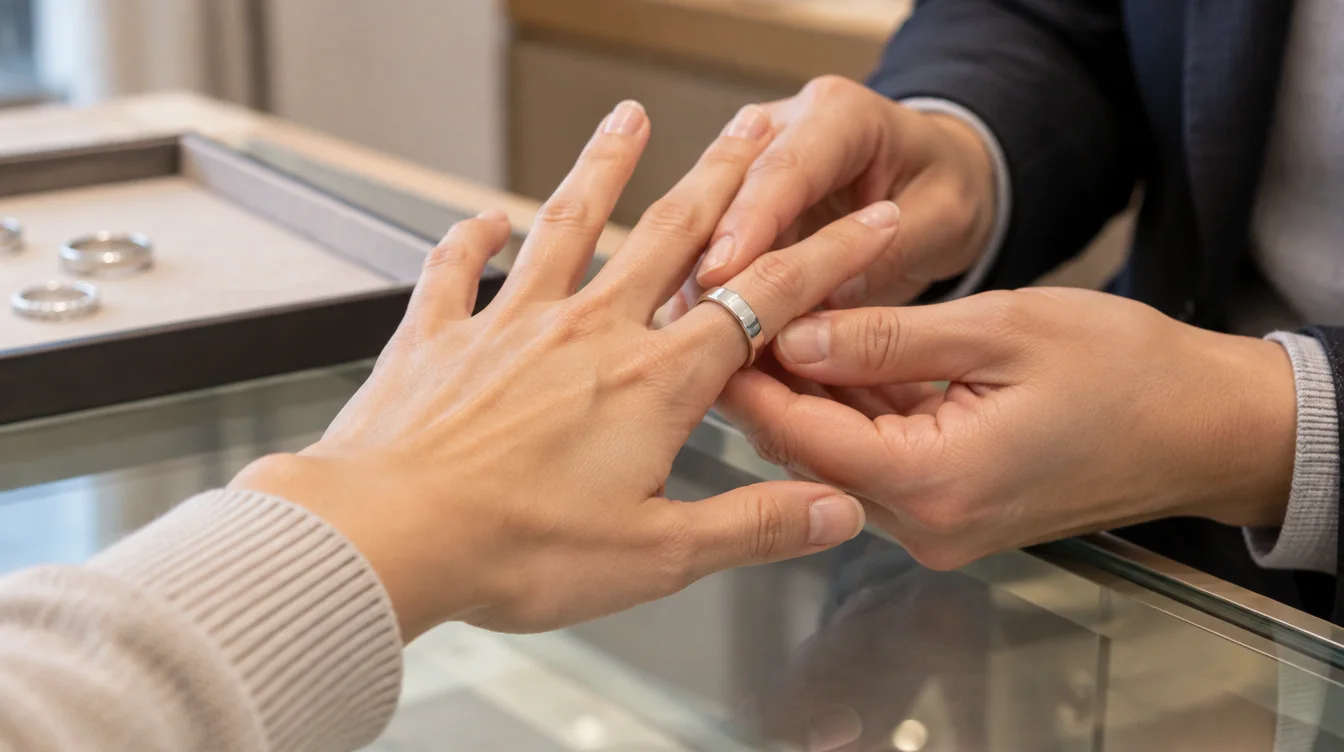
When a listing asks “does wearing silver improve blood circulation,” look for measured blood flow in people wearing ordinary jewelry. A fact about heat or electricity is not enough. Use the same test for pain claims.
Does silver jewelry help with arthritis or other pain?
The supplied evidence does not show that silver jewelry relieves arthritis or other pain because it contains silver. “does silver jewelry help with arthritis” is a fair question when a ring sits near an aching joint. But the metal, the ring’s shape and its physical support are separate factors.
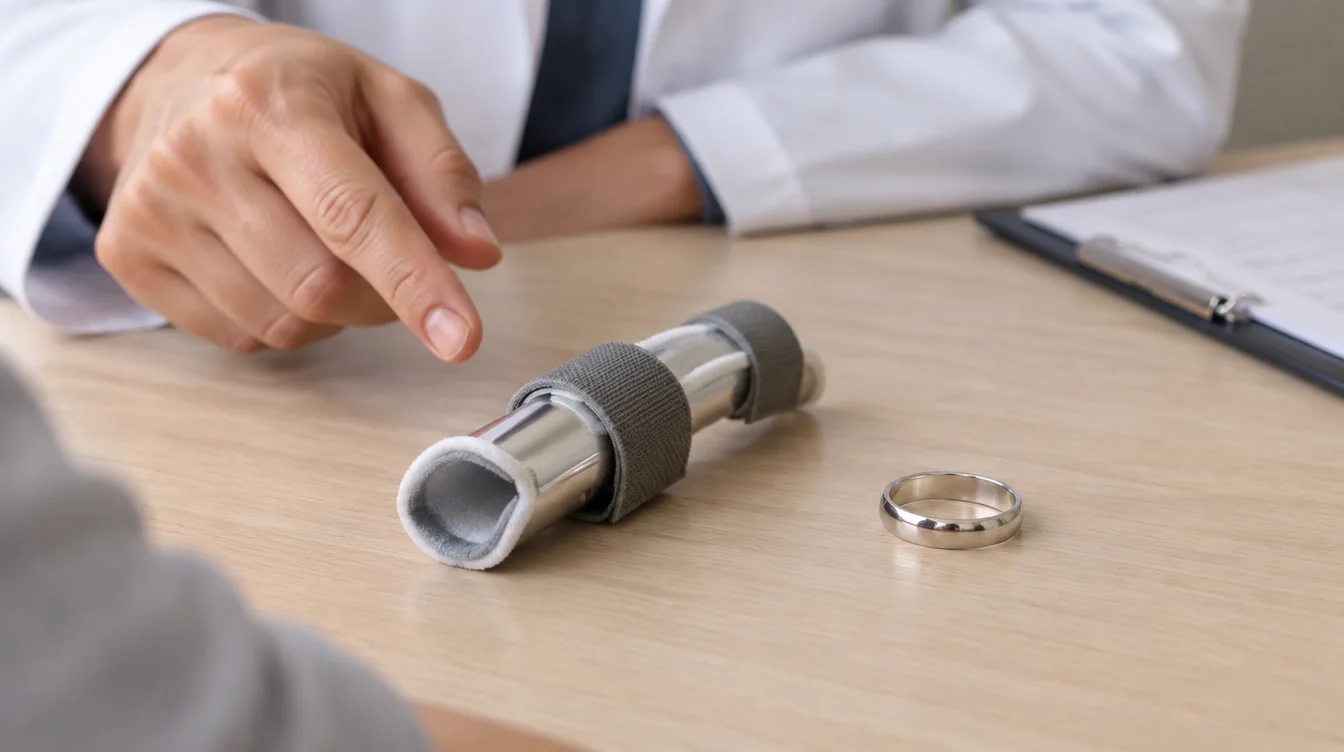
A stiff finger splint, for example, may be intended to limit movement. If someone feels better while wearing one, its design could be relevant to that result. You cannot assume a decorative silver ring would have the same effect. Nor can you attribute an effect to silver without comparing it with a similar device made from another material.
The supplied research excerpt covers several forms of silver and their risks. It does not show that everyday silver jewelry treats arthritis. A commercial article in the research brief says evidence for pain relief from casual wear is limited. Neither excerpt reports a clinical result that supports buying a silver bracelet for joint pain.
Personal comfort still matters. A ring may remind you to pause and relax your hand. You can value that routine without calling the ring a treatment. Ongoing joint pain, warmth, swelling or loss of movement needs proper assessment. A jewelry purchase sold as therapy is not a substitute.
If a seller asks “does silver jewelry help with arthritis,” check what the evidence tests. Does it study that piece and separate physical support from metal choice? If not, relief remains unproven. Use the same standard for claims about calm and mood.
Can silver jewelry calm you or balance your energy?
Silver jewelry may have meaning and help someone feel calm. The supplied evidence does not show that the metal itself balances mood or energy. Some traditions link silver with protection, coolness or emotional balance. Those beliefs can matter to the wearer. They are not tested medical effects.
Think of a ring you turn during a stressful call. The small motion may give your hands something familiar to do. A pendant given by a loved one might offer comfort for a different reason. Neither experience requires silver ions to alter your nervous system. It also would not be fair to dismiss the comfort simply because the mechanism is personal rather than chemical.
Some supplied jewelry articles link silver’s conductivity or ions with a calmer mood. Their excerpts show no study measuring better mental health in people wearing ordinary silver jewelry. A metal property and a mood effect are different claims. Evidence for one does not prove the other.
If silver is part of your spiritual practice, wear it for that reason. It may stand for symbolism, habit, beauty or connection. For anxiety or other health concerns, seek qualified support rather than relying on a necklace. Keep that distinction in mind when a seller claims health benefits of wearing silver.
Which health benefits of wearing silver are practical rather than medical?
A useful buying question is whether a silver piece feels good on your skin. That does not mean silver boosts immunity or treats disease. Comfort depends on every material that touches you. The finish and your skin history matter too.
Is sterling silver hypoallergenic for sensitive skin?

“is sterling silver hypoallergenic” has no single answer for every finished piece. Sterling silver is commonly described as 92.5% silver. Other metals are added for strength. That figure does not tell you everything about an earring post or solder joint. It also does not describe each coating or clasp. The supplied guide to 925 sterling silver explains the mix and why buyers should check a seller’s silver-content claim.
If you have reacted to nickel, clear material details may help you judge a piece. “Silver tone” tells you less. A 925 mark alone cannot promise comfort for everyone. Ask about every part that touches your skin, especially if you have a known allergy.
The earring post matters as much as the visible design
Picture silver coloured earrings with a decorative front and an unspecified post. If your ear reacts, the front does not tell you why. The post, backing, coating or another contact material may be the cause. Ask for full material details before buying a replacement. Tell a clinician if reactions keep coming back.
A necklace touches skin differently from a ring. Its chain and clasp may rest on your neck for hours. Moisture can collect under a ring. Either detail may affect comfort, even when the main metal is the same. So “is sterling silver hypoallergenic” is a question about both the finished piece and the wearer.
Can silver jewelry cause an allergic reaction?
Yes, someone can get a rash while wearing silver jewelry. Its silver content alone may not explain the rash. If you ask “can silver jewelry cause an allergic reaction,” consider every material that touches you. Also consider anything trapped beneath the piece. A skin stain alone does not prove an allergy. A reaction needs a proper diagnosis.
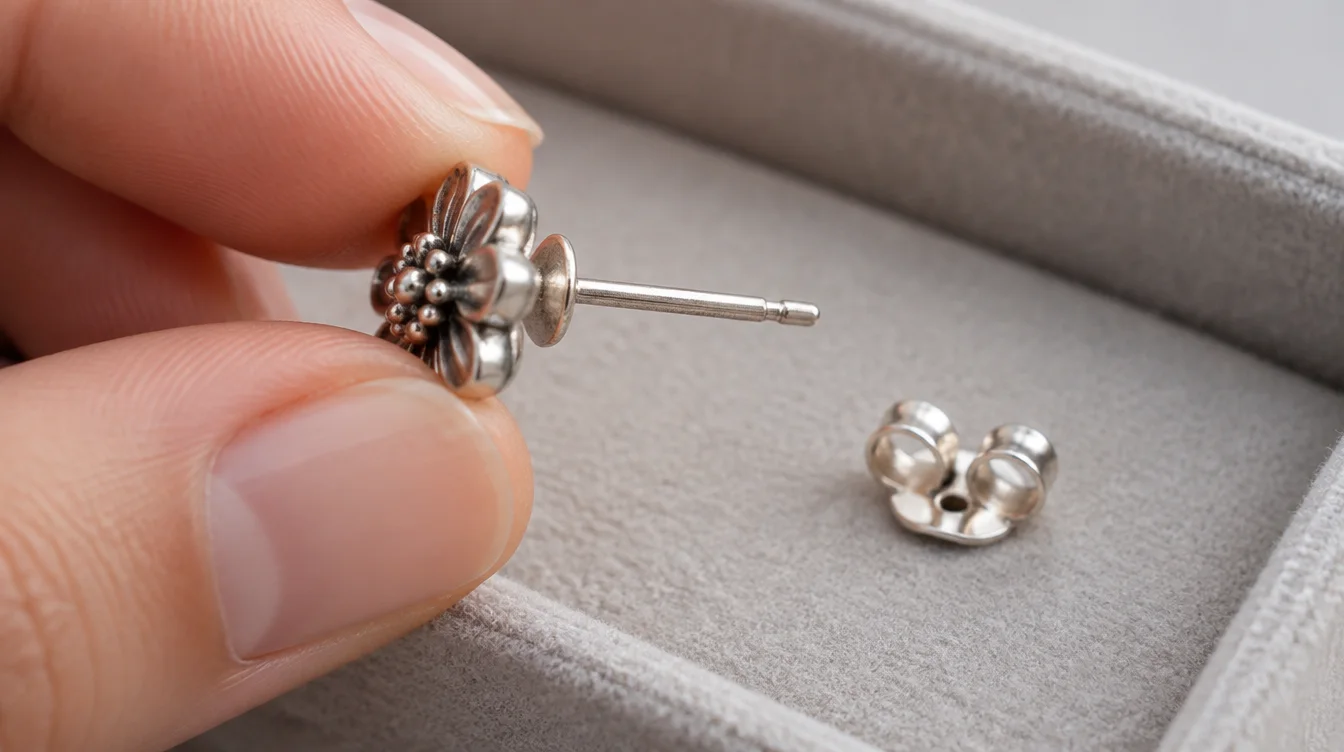
Remove jewelry that causes itching, redness or pain. Do not keep wearing it to see if your skin will “adjust.” Seek medical advice if the reaction is strong, spreads or returns with other pieces. A clinician can help tell an allergy from irritation and advise what to avoid.
The answer to “can silver jewelry cause an allergic reaction” therefore depends on the finished piece and the wearer, not on silver’s reputation as gentle. Once comfort is clear, you can weigh the purchase on its actual merits. That is more useful than treating skin tolerance as proof of wider health benefits.
How can you test a silver jewelry health claim before you buy?
To judge a silver jewelry health claim, match the evidence to the product, exposure and promised result. Use that test for claims about germs, pain, circulation and mood. It stops a narrow scientific finding from becoming a broad sales promise.
Match the claim to the exact item
Start with the item for sale. Is it a polished sterling silver ring, a plated pendant or a medical product? A study of silver particles or wound dressings does not test a necklace. If the seller cannot name the form studied, the comparison is weak.
Next, ask how the silver reached people or cells in the study. Was it put on a wound, mixed into a solution or worn on intact skin? The type of exposure changes the question. The review of different silver forms explains why different forms and effects on living things cannot be grouped together.
Last, check the result. “Reduced bacterial growth in a lab” is not the same as “wearers had fewer infections.” “Feels cool” is not “improves circulation.” If the seller moves between these claims without evidence, do not pay extra for the health promise.
A practical decision example
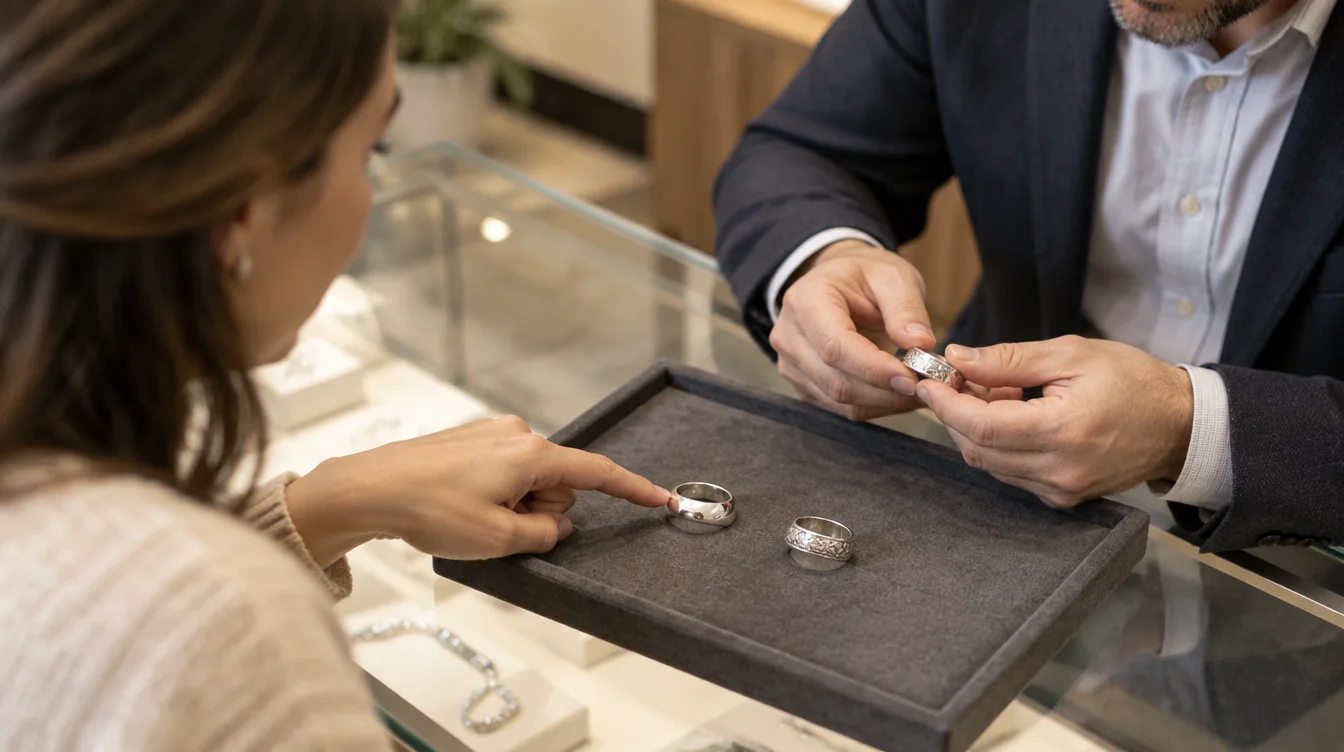
Suppose you like two rings. One listing describes the materials and shows several views. The other costs more because its silver “boosts circulation.” Yet it cites only silver’s ability to conduct heat. Based on those details, the first listing gives you more to judge about the ring. The second does not support its added health claim.
That example shows how to decide, not how either ring performs. It cannot tell you which will fit, last longer or suit your skin. Focus on details that bear on your purchase. Set aside medical promises the cited evidence does not establish.
Price is not the only stake. A claim can also cost time if it leads someone to delay care for a painful joint or an irritated piercing. The safest reading is narrow: accept what a source actually measured, then ask whether it applies to the jewelry in front of you. That brings us to the risks people often confuse with normal wear.
Is wearing silver jewelry the same risk as taking silver products?
No. Wearing ordinary silver jewelry and taking silver compounds expose you in different ways. Their risks should not be treated as the same. The scientific review discusses harm from silver, silver buildup and argyrosis across different forms. That warning does not mean a standard ring causes the effects linked with taking silver products.
Silver’s use in medicine does not make every silver product safe or useful. A medical dressing, a supplement and a necklace differ in form, dose and purpose. Do not swallow a silver product to seek a benefit you hoped to get from jewelry. Ask a health professional before using any silver product for a medical reason.
With ordinary jewelry, comfort and skin reactions are more immediate concerns. A piece that pinches, rubs or causes a rash is not right for you, even if the seller calls it “healing.” Remove it and address the symptom. Do not assume all forms of silver carry the same risk.

A health promise for one silver product may not apply to another. The same goes for a safety warning. Keeping them separate avoids false hopes and needless alarm.
Frequently asked questions about silver jewelry and health
These answers apply to ordinary jewelry. They do not cover silver products made or prescribed for medical use. If you have symptoms, put your health needs before a product claim.
Does silver jewelry prevent infections?
The supplied evidence does not show that ordinary silver jewelry prevents infection in wearers. Silver can affect microbes in other settings. That does not make a ring or earring a substitute for proper care.
How can I tell whether a silver health claim is supported?
Look for research on the same kind of finished jewelry, worn in the same way, with a measured health outcome in people. A study about silver ions in a lab or a medical dressing supports a narrower claim.
Can silver jewelry help if my skin reacts to other metals?
Silver may be worth considering if you can confirm all materials that touch your skin. Comfort varies by person. If a piece causes a rash, remove it. Seek advice for repeat reactions rather than assuming silver cannot be involved.
What are the health benefits of wearing silver compared with enjoying its appearance?
The supplied evidence does not show a medical advantage from wearing ordinary silver jewelry. You may still value its look, meaning or comfort. The finished piece also needs to suit your skin.
Judge the jewelry you can assess, not a result the seller has yet to show.
Choose silver for reasons the evidence can support

The answer to “does wearing silver jewelry have health benefits” needs more than a lab result. That result may not apply to jewelry worn on skin. Silver has real properties, and its medical uses merit careful study. Yet the supplied evidence does not show that an everyday ring, chain or bracelet improves circulation or relieves arthritis. Nor does it show that wearing one calms the mind or prevents infection simply because it contains silver.
That leaves plenty of good reasons to wear it. You may love how it looks, find a particular piece comfortable or value the story behind it. Before you buy, ask what the finished piece is made of and how it feels on you. If a seller adds a health promise, ask for evidence about people wearing that kind of jewelry. Buy the piece if you still want it when the promise is taken away.