Why does German silver jewelry contain silver only on some pieces?
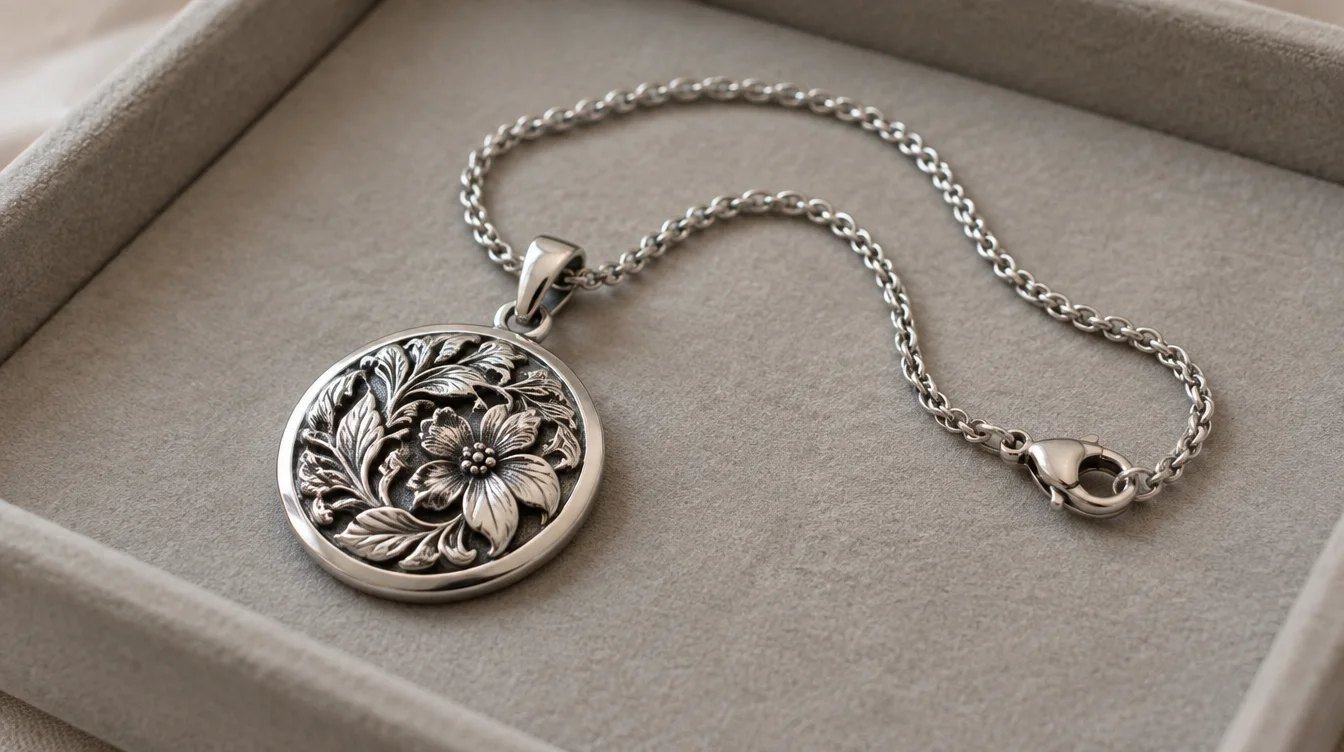
Ordinary German silver jewelry has no silver in its base metal. So, does German silver jewelry contain silver? Only if it has a real silver coating or a separate silver part. The base metal is still not sterling silver. Ask what lies beneath the finish, especially if nickel irritates your skin.
Does German silver jewelry contain silver beneath the surface?
No. German silver is made of copper, nickel, and zinc. It is also called nickel silver. Its name describes its color, not its silver content. A polished piece may look like silver. A photo cannot settle the question. The base alloy has no silver, according to Manhattan Gold & Silver’s explanation of the metal.
A listing might call a necklace “German silver” with a “silver finish.” That finish could mean a polished, silver colored surface. It could also mean real silver plating. Ask which one the seller means. Without a clear answer, do not count the finish as silver content. First, find out what metal lies beneath it.
What is German silver made of?
The answer to “what is German silver made of” is copper, nickel, and zinc. One common mix has about 60 percent copper, 20 percent nickel, and 20 percent zinc. The mix can vary. Those figures do not describe every piece. The Skyjems German silver encyclopedia entry identifies both the metals and the approximate mix.
Why does nickel silver look like silver?
Nickel helps give the alloy its pale tone. Copper makes it workable, while zinc is part of the mix that helps it cast. Makers can polish the metal to a bright shine without adding silver. That is why “nickel silver” and “German silver” name the same kind of base alloy, not two grades of precious metal.
When you ask what is German silver made of, consider the whole piece. Its clasp, ear wire, or chain may differ from the pendant. You also need to know whether the base metal has a coating.
When is silver plated German silver made with real silver?
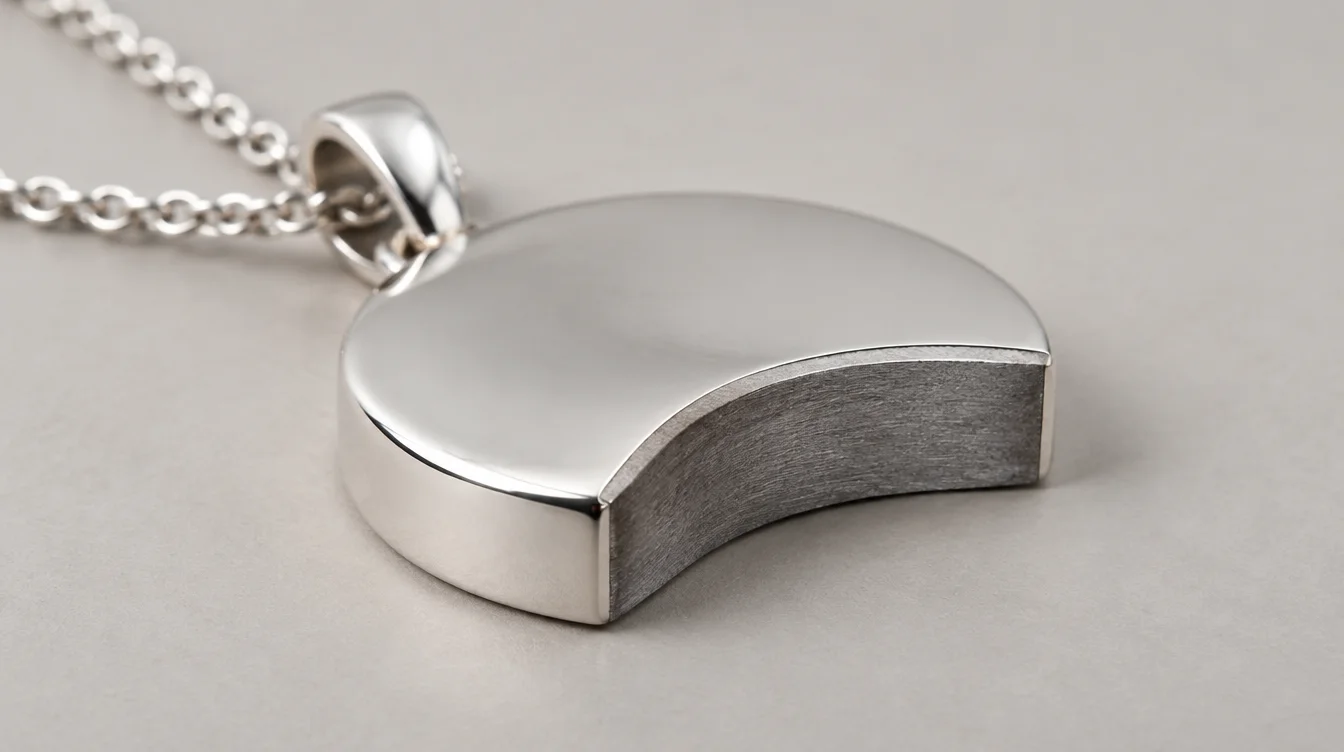
Silver plated German silver has real silver on top if the plating is genuine. Its copper, nickel, and zinc core still has no silver. A silver coating is not silver throughout the metal. Nickel silver takes electroplating well, as Skyjems notes.
Read “silver color” and “silver plated” differently
“Silver color” describes how a piece looks. It does not say what its surface contains. “Silver plated” claims a real silver layer over another metal. If a listing uses both terms, ask which one describes the piece you will receive.
Ask about the base
Ask: “Is the metal under the finish copper, nickel, and zinc German silver, or something else?” Plating can hide the base. That is why the seller’s answer matters.
Ask about the coating
Then ask: “Is the outer layer genuine silver plating, and does it cover the clasp and ear posts too?” The seller may not know the plating thickness. If so, treat its wear life as unknown rather than assuming the finish will last. This two layer check leads to a more useful comparison with sterling.
German silver vs sterling silver: which contains silver throughout?
German silver vs sterling silver comes down to silver content. Sterling has silver throughout. Plain German silver has none. Sterling is 92.5 percent silver by mass. The other 7.5 percent is often copper. A silver plated German silver piece has silver on its surface, but a base alloy beneath. TrueSilver’s composition comparison sets out the sterling and German silver percentages.
Consider a ring worn each day. If its silver plating wears off at a raised edge, German silver shows through. A scratch on a sterling ring still leaves a silver alloy beneath. This example explains construction, not how well either ring resists wear. If you want silver throughout, look for sterling. Ask the seller to confirm the metal in the whole piece, including its findings. For more on silver purity claims, see this guide to 925 sterling silver jewelry. Looks alone cannot tell you how a piece was made.
How can you check a German silver listing before you buy?
Check the base metal and finish as two separate facts. “German silver” and “nickel silver” name an alloy. “Silver plated” describes a coating. “Oxidized silver look” may describe color, not silver content. Saloni Fashion Jewellery notes that an oxidized finish can sit over German silver.
A seller might describe earrings as German silver with silver plated fronts. Ask what metal the posts and backs use. Ask whether they are plated too. For sensitive ears, those details matter more than the visible finish. If the seller cannot confirm the coating, judge the piece by its stated base metal, not its photo.
A stamp may offer a clue. Still, one mark cannot answer every question. A plating mark describes the surface, not silver throughout the piece. Next, consider how that surface may age.
Does German silver tarnish under normal wear?
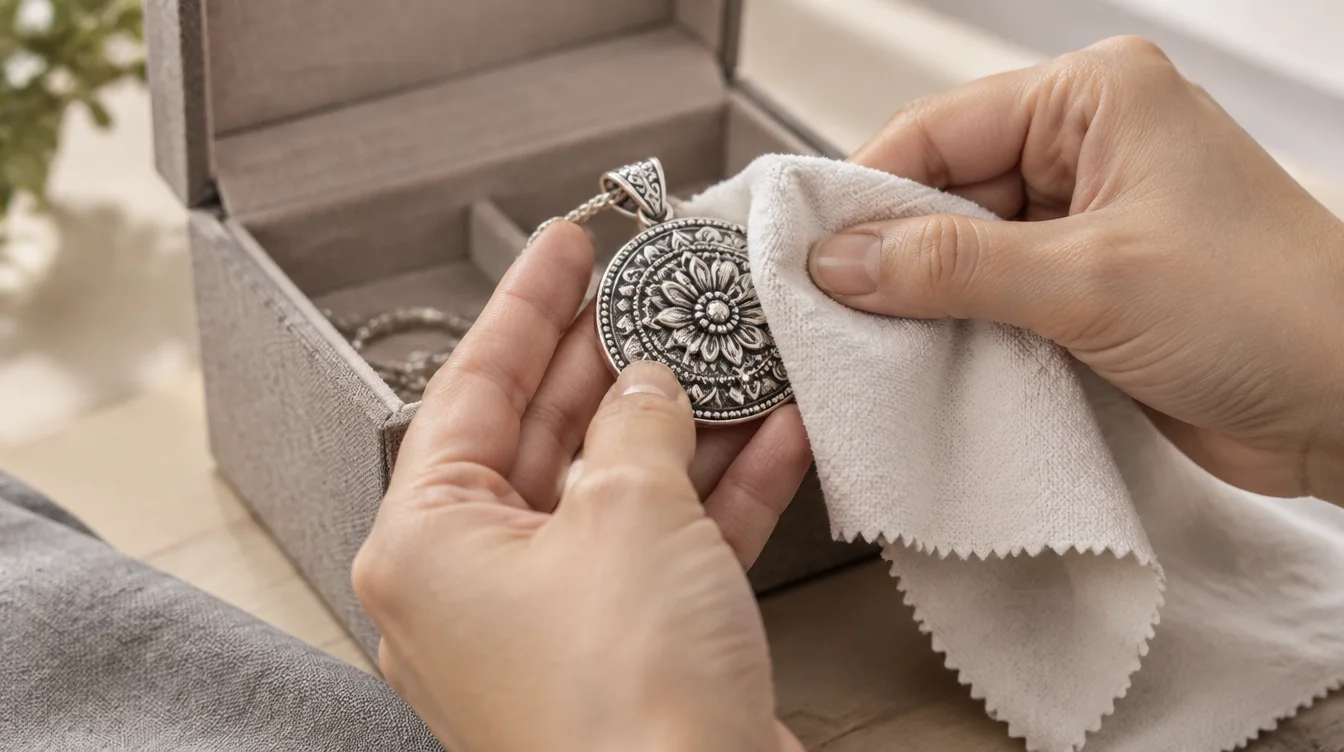
Yes. German silver can dull or darken with wear. Moisture, sweat, and perfume can change its surface. A bright polish will not last forever. Saloni Fashion Jewellery describes how German silver changes at the surface. When you notice the change depends on the piece, its use, and how you store it.
Does German silver tarnish if it has silver plating? The coating can change with use too, and worn spots may reveal a different color beneath. That does not prove the original plating claim was false. It does mean a plated finish needs gentler care than bare metal: avoid abrasive polishing that could remove the thin surface layer. Store pieces dry and wipe them with a soft cloth after wear.
Dark areas on oxidized jewelry may be part of its finish. Do not polish every recess as if it were dirt. Care also depends on whether your skin tolerates the metal beneath.
German silver nickel allergy: does plating make it safe?
A German silver nickel allergy concern does not disappear just because a piece is silver plated. German silver contains nickel, and a coating can wear or leave parts of the item uncovered. Skyjems advises nickel sensitive buyers to use caution with nickel silver jewelry even when it is plated.
If nickel has caused a rash, ask about every part that touches your skin. Pay close attention to earring posts and backs. For a new piercing, do not assume silver plating makes a nickel bearing post safe. Ask the seller what metal the post contains. If they cannot say, choose a metal you already know you tolerate.
That safety question may decide the purchase before price or appearance does.
Which version is worth choosing?
Choose plain German silver for its silvery look, not for precious silver. Choose silver plated German silver if you want a real silver surface. Its base is still nickel silver. Choose sterling if you want silver throughout the piece.
None of these descriptions guarantees how a clasp, post, or finish was made. Ask about those parts before paying. If the answer is vague, treat the silver content as unconfirmed and shop accordingly. A few common questions can help clear up the last points of confusion.
Frequently asked questions about German silver jewelry
German silver jewelry is defined by its base alloy, while any silver coating is a separate feature. These short answers address the questions that tend to come up when a listing leaves that distinction unclear.
Can German silver jewelry contain any real silver?
Yes, but only in an added silver layer or a separate silver part. The German silver alloy has no silver. Ask the seller which part contains it.
What does “nickel silver” mean on a jewelry label?
Nickel silver is another name for German silver. Both name an alloy of copper, nickel, and zinc. The word “silver” describes its look, not its precious metal content.
Does a silver plated clasp mean the whole necklace is plated?
No. A claim about the clasp does not establish what covers the chain or pendant. Ask for the base metal and finish of each part if the listing does not say.
How can I tell whether a silver colored piece is plated?
Color alone cannot confirm silver plating. Read the material description. Then ask whether “silver” means real plating or just a silver colored finish. If the seller cannot say, do not pay for unconfirmed silver content.
Those answers leave one practical rule for the next listing you read.
Buy the metal described, not the color shown
German silver can be a good choice for jewelry you enjoy wearing, but its name is not a silver content claim. Ask two direct questions before you order: what is underneath, and is the surface genuine silver? If nickel bothers your skin, ask a third about every part that touches it. You will know what you are buying, even when the photo makes every piece look the same.