Could a diamond culet Make Your Stone Look Like It Has a Hole?
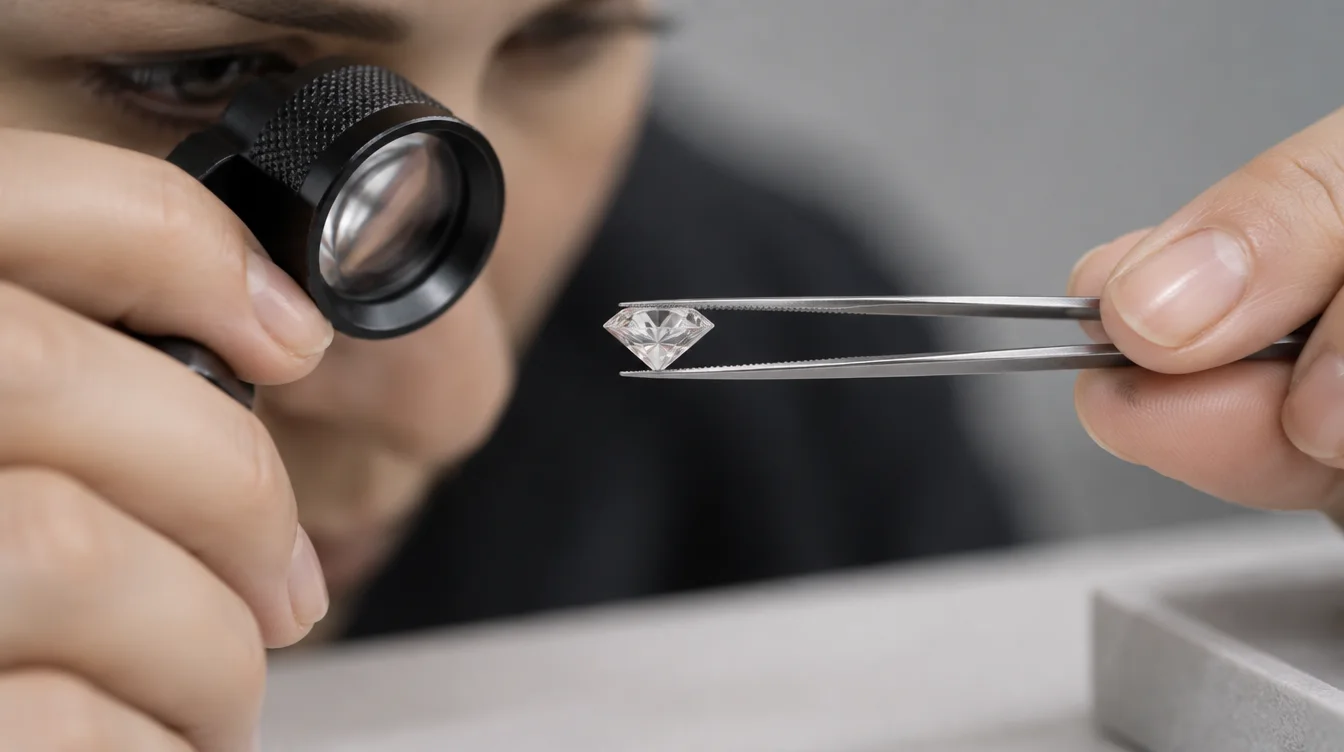
On a diamond report, None means the pavilion ends in a point. Small means it has a tiny flat facet. Large means that facet is easier to see from above. For most modern diamonds, None or a small culet is a sound choice. A visible culet can also suit an antique cut, so judge the report alongside the stone.
What is the culet at the bottom of a diamond?
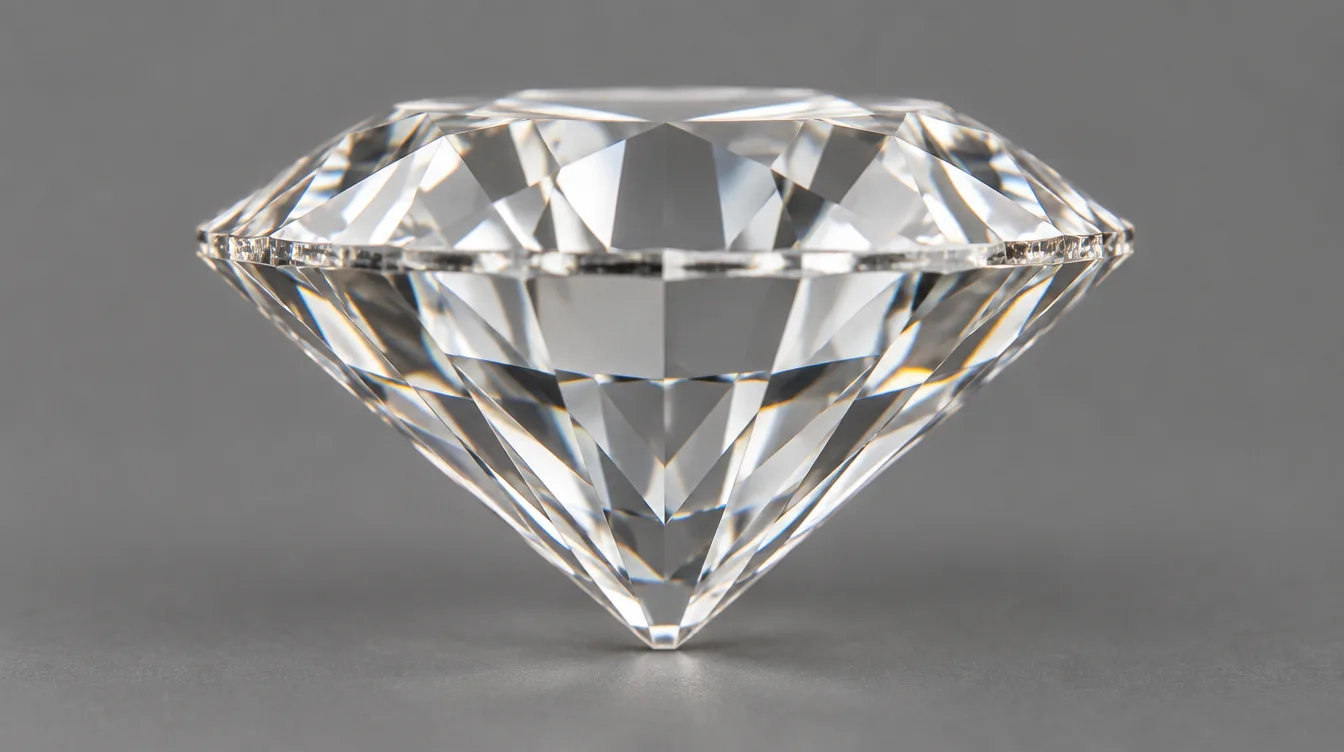
The culet is where the pavilion facets meet at the bottom of a diamond. They can meet at a point. Or a cutter can polish a small flat facet across the tip. Both forms are called the culet in everyday jewelry talk, which can cause confusion.
Picture a round diamond from the side. The table is the broad facet on top. The pavilion slopes down beneath it, with the culet at the bottom. If the tip has a polished flat facet, you may see it through the table when you look down at the stone. As Rare Carat explains, a culet facet can also remove a fragile point that might otherwise chip.
That does not mean a pointed tip is already damaged. It means the tip deserves care during setting and handling. First, though, you need to know what the report is describing.
What do diamond culet grades actually tell you?
A culet grade describes the flat facet’s size. It does not describe the diamond’s clarity or overall cut quality. If the report says None, the pavilion facets meet at a point. There is no flat culet facet. That is the practical culet none meaning: nothing has been polished across the tip.
None, Very Small and Small
Very Small and Small mean a flat facet is present, but it is limited in size. A small culet diamond may look no different from a pointed one at normal viewing distance. Do not reject it just because the report says Small. Ask whether you can see anything at the center without magnification.
Medium, Large and beyond
A larger grade signals a wider facet that may show through the table. The culet size reference from Skyjems lists eight descriptions, from None through Extremely Large. That list includes Slightly Large. Some supplied buying guides shorten the list. Read the wording on your report rather than assuming every guide uses the same labels.
The GIA culet grading scale is a set of size descriptions, not a verdict on whether you should buy the diamond. Visibility is the next question.
Will a large culet look like a flaw?
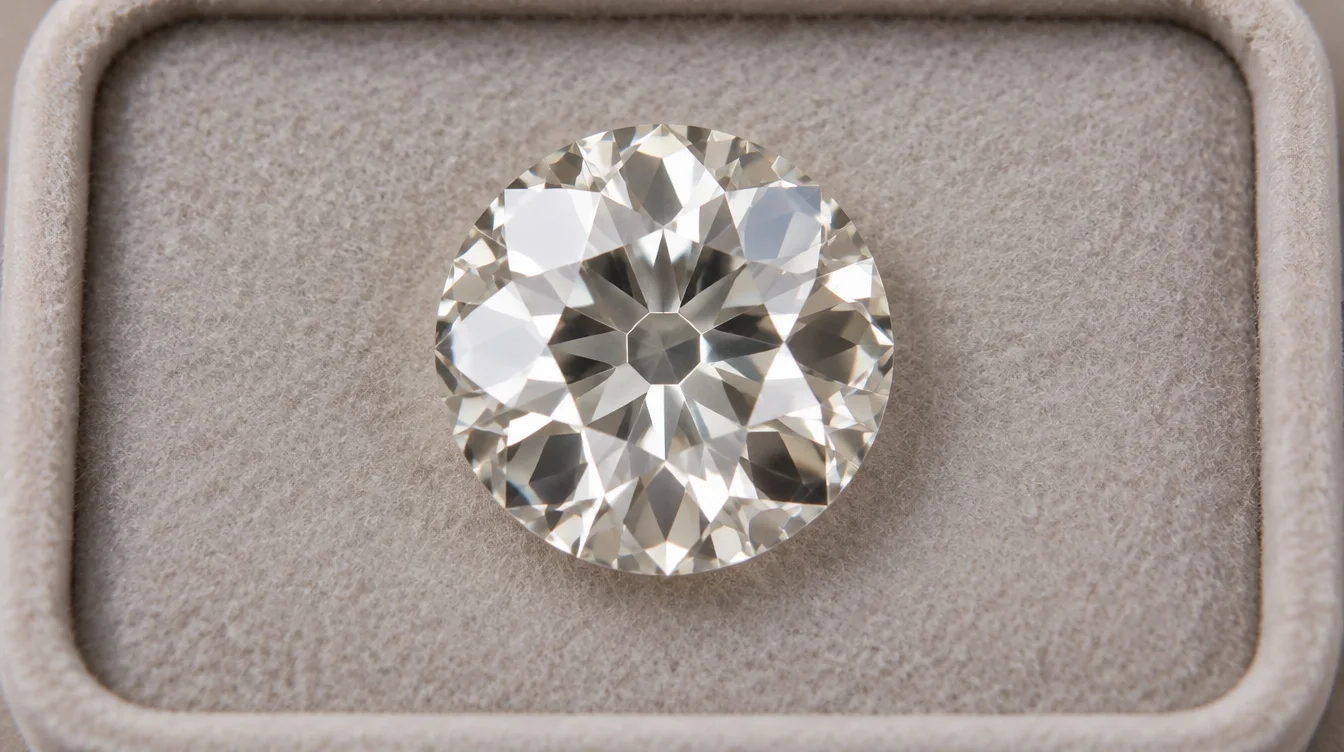
A large culet diamond can show a round mark near the center when viewed from above. Depending on lighting and the stone’s cut, that mark may look dark or pale. It can resemble a hole, but the diamond is not hollow. You are seeing a flat facet through the top.
That appearance is not the same as a clarity inclusion. A clarity characteristic is a separate feature, while a culet facet is part of the cut. Nor does a Large grade tell you exactly how bold the mark will look on your hand. Table size, pavilion pattern, lighting and viewing distance all change what you notice. The Your Diamond Guys comparison makes the useful distinction between a report description and the face up view.
For a modern round brilliant, an obvious center mark may interrupt the look you wanted. In an old mine or old European cut, a visible culet may fit the broad facet pattern and period style. A diamond culet buying guide also notes that large culets were common in older cuts. Style changes the judgment; it does not make inspection optional.
Once you know what you can see, deciding what to buy becomes much simpler.
How do you choose the best culet for a diamond?
The best culet for a diamond depends on its cut style and the look you want. For a modern round, start with None, Very Small or Small. Then compare the whole stone. For an antique cut, see whether an open center adds to its character. Check whether the facet looks centered, too.
Compare the same three things on every stone
First, read the report’s culet description. Next, inspect a straight view through the table at normal size, not just an enlarged image. Then rotate the diamond. Watch its center and the rest of its light pattern. A tiny mark that vanishes on your hand may matter far less than an uneven or dull looking stone.
Here is a useful comparison, not a claim about any particular diamonds. Suppose modern Round A has a Very Small culet and lively, even reflections. Round B says None, yet its center looks dull as you turn it. If both meet your other needs, Round A may be the better visual choice. None does not promise a beautiful cut by itself.
When a pointed tip makes sense
Choose None when you want a closed looking center and the rest of the diamond looks good. Have a qualified jeweler check the tip, especially before a stone is reset. A chip is a different issue from a culet grade; a damaged diamond may need a separate repair assessment.
When a visible facet makes sense
Consider a larger facet when you are deliberately buying an antique look. Check that its position and size work with the whole pattern. If the center keeps drawing your eye for the wrong reason, keep looking. That simple visual test is more useful than treating one report word as a pass or fail.
What should you ask the seller to show you?
Ask for the report, a straight face up image and a short video of the diamond turning at normal scale. Together, they connect diamond culet size on paper with what your eye sees. An enlarged image helps you check the facet. It can also make a subtle detail seem much bigger than it will in a ring.
If you are comparing two stones, ask for images taken in similar light and at a similar scale. Otherwise, the brighter photo may win even if the diamonds look alike in person. Ask the seller to point out any chip near the tip. Confirm whether the central mark is the culet rather than an inclusion. For an antique diamond, request a clear view of the whole facet pattern, too.
None, Small and Large are helpful labels. A good buying decision still needs a real view of the stone. These final questions cover the points buyers most often miss.
Common questions about culet grades
Culet grades answer a narrow question about the bottom tip. They cannot replace a close look at the diamond’s appearance or condition.
Does None mean the diamond has no bottom tip?
No. Culet none meaning is that the diamond ends in a point rather than a polished flat facet. The tip is still there, so check its condition if the stone is loose or being reset.
Can you see a Small culet without magnification?
Sometimes, but a small culet diamond is often hard to distinguish from a pointed one at normal distance. Check the actual stone or a normal scale image rather than guessing from the grade alone.
Does a Large culet lower a diamond’s clarity grade?
A culet is a cut feature, not a clarity inclusion. A large culet diamond may resemble a dark spot from above, so confirm what you are seeing before judging the center. Ask about any separate chip or inclusion shown on the report.
Why do antique diamonds often have visible culets?
Older cutting styles commonly used larger flat facets at the pavilion tip. In an antique stone, that opening may belong with the rest of its facet pattern. Judge whether you enjoy the full look, not whether it meets a modern round diamond preference.
Make the report work for you
A diamond culet grade tells you what is happening at the tip. It cannot tell you how much you will notice it or whether you will like it. Choose a closed looking center for a modern style. A visible opening may suit an antique cut. Before buying, compare the report with a normal scale view. Ask a jeweler to check the tip’s condition. Your eyes should have the final say.