Is That Apple Green Stone Real? A chrysoprase natural color buying guide
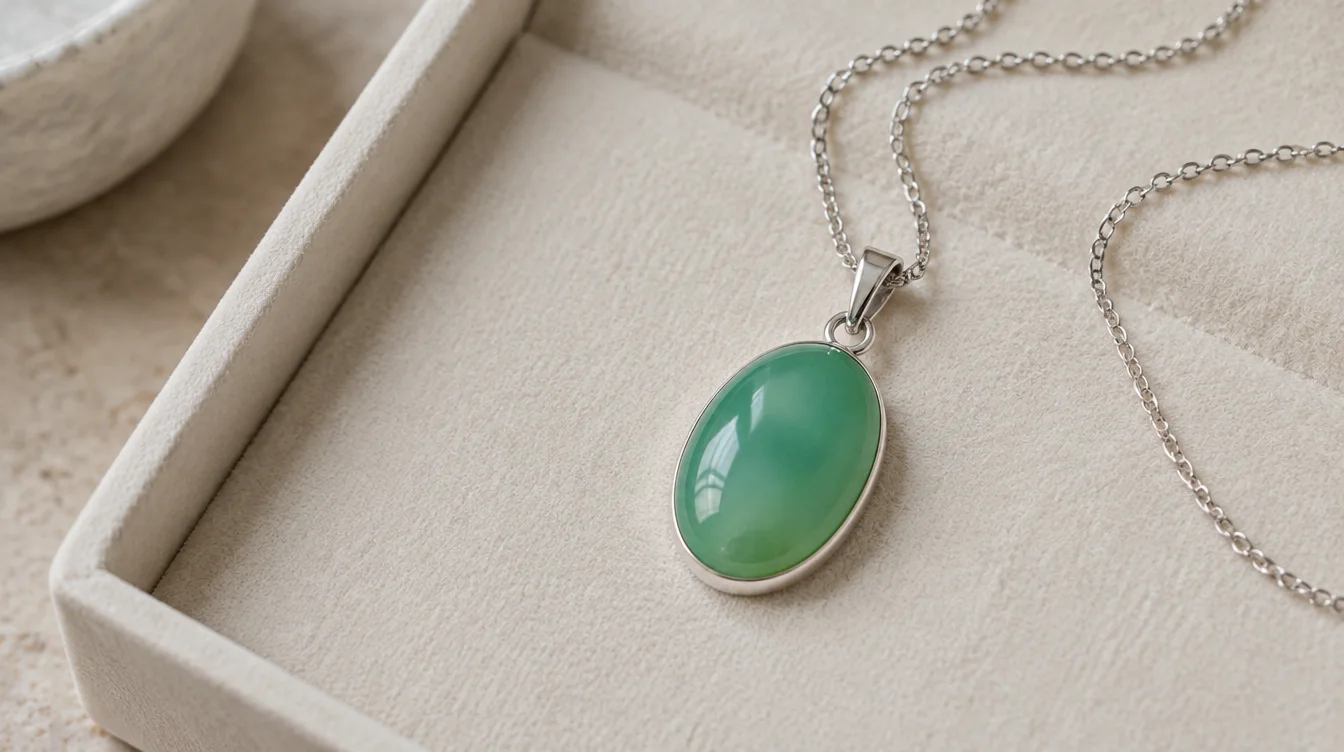
Chrysoprase gets its green from nickel linked to the stone. Yet green alone cannot prove a gem is chrysoprase or untreated. This chrysoprase natural color buying guide starts with three checks. See the actual piece. Get material and treatment claims in writing. Seek independent testing if those claims affect the price.
Why does chrysoprase have a natural green color?
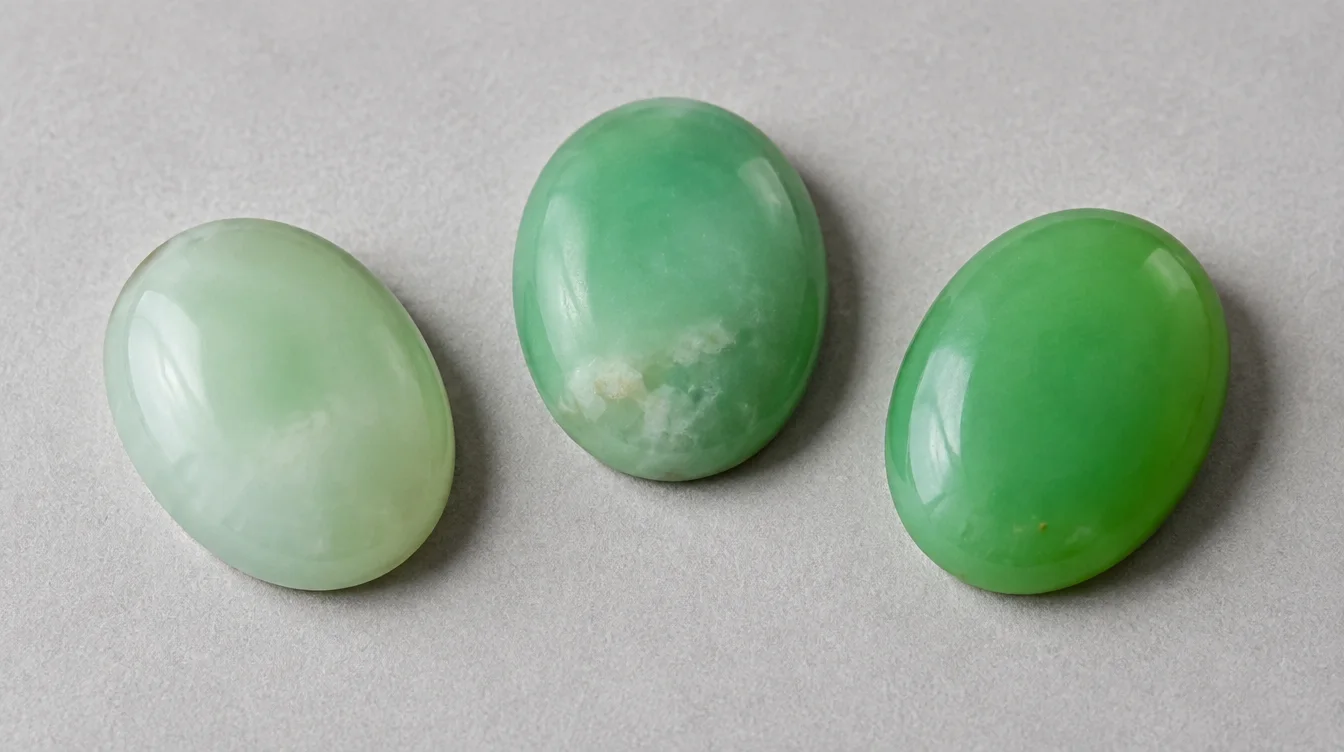
Natural chrysoprase is green chalcedony whose color is associated with nickel bearing material. Chalcedony is a fine grained form of silica. In chrysoprase, the green is part of the material rather than color applied to a finished bead or cabochon. The supplied chrysoprase reference describes nickel related color. It also says the green can range from mint to apple green.
The question “why is chrysoprase green” has an answer. Yet green cannot prove where a stone came from. Two gems may look alike in a shop window but get their color in different ways. One may be natural chrysoprase. Another may be pale chalcedony dyed green. A third may be a different green gem.
Natural color varies too. Mint green can be genuine, as can a stronger apple green. White patches, cloudy areas, and shifts in tone may change how much you like a stone. None proves whether it was treated. Even color does not prove dye. Fine material can look uniform.
Think of color as the reason to take a closer look, not the end of the inspection. The next question is what a seller means by the name on the tag.
What this chrysoprase natural color buying guide can actually verify
You can judge a stone’s look and ask direct questions. Yet sight alone rarely proves its identity or treatment. “Chalcedony” names a material family. “Chrysoprase” names a naturally green variety. “Untreated” is a separate claim. It concerns what happened after the rough was found.
Ask three questions about any listing. What is the material? Where does its green come from? What supports those answers? A clear reply might name chrysoprase and say no color treatment is known. For a costly piece, the seller might also offer documents. “Real green stone” answers none of these questions.
Picture two pendants that look alike in photos. One listing calls its stone natural chrysoprase and addresses treatment. The other says only “green chalcedony.” You can compare size and finish. But you cannot fairly compare their color claims until the second seller explains its stone. Decide what that doubt means for your purchase. A photo cannot test the claim.
A chrysoprase natural color buying guide can narrow the doubt. It cannot name every stone from a photo. Start by telling naturally green chalcedony from chalcedony colored after it formed.
When is chrysoprase dyed, and what does a dyed lookalike mean?
Dyed green chalcedony is real chalcedony with added color. It can make attractive jewelry. Trouble starts when a seller calls that treated color natural chrysoprase. That changes the claim and may affect what you pay.
People asking is chrysoprase dyed often want a simple yes or no. Natural chrysoprase, when correctly identified, needs no dye to be green. But a stone sold under that name might be dyed chalcedony. Its treatment history might also be unknown. A label is a claim, not proof. Ask which description fits the piece you plan to buy.
Dye may collect in open fractures, pits, or bead holes. The Reve Diamonds identification guide says color in cracks can be a clue to dyed chalcedony. Take it as a warning, not a home diagnosis. Dye may be hard to spot. Natural features can also make color look uneven.
Do not rub a finished jewel with solvent or scratch an unseen area to settle the issue. A mounted stone, its polish, or nearby materials could be harmed, and a negative home test would not establish natural color. If a seller cannot explain a treatment claim, choose between accepting that uncertainty or requesting qualified testing.
That choice is easier once you know which lookalikes you may be seeing. Many kinds of stones are green.
How does chrysoprase compare with jade and other green stones?
Chrysoprase and jade can share a soft green look. They are not the same material. Chrysoprase is chalcedony. Jade means jadeite or nephrite. If a listing uses “jade” and “chrysoprase” as if they mean the same thing, ask what the stone is before paying for either claim.
Chrysoprase vs jade in a jewelry listing
For chrysoprase vs jade, ask the same three questions. What is the material? Was its color treated? How will you wear it? Both can make lovely smooth cabochons. A pendant photo cannot reliably tell them apart. If the seller claims jade, ask whether it is jadeite or nephrite. If they claim chrysoprase, ask them to name chalcedony and address treatment.
Choose based on the named stone and the look you want, rather than a trade nickname such as “Australian jade.” Such names can be handy descriptions of appearance, but they do not make chrysoprase jade. If jade itself is your goal, the separate jadeite and nephrite buying guide covers that decision in more detail.
Dyed chalcedony, aventurine, glass, and serpentine
Dyed green chalcedony needs a close look. Its base material is much like chrysoprase. Aventurine may have tiny reflective inclusions. These can sparkle, unlike chrysoprase’s usual waxy look. Glass may show bubbles. Serpentine can differ in texture and wear. The chrysoprase comparison reference lists these as common visual confusions.
None of these clues can name a stone on its own. Polish, a small photo, strong light, or a closed setting may hide key details. This chrysoprase natural color buying guide uses visual clues to guide questions. They are not proof that a seller mislabeled the stone.
Once the possible materials are clear, examine the actual jewel rather than an ideal sample of the stone.
How to identify real chrysoprase while shopping safely
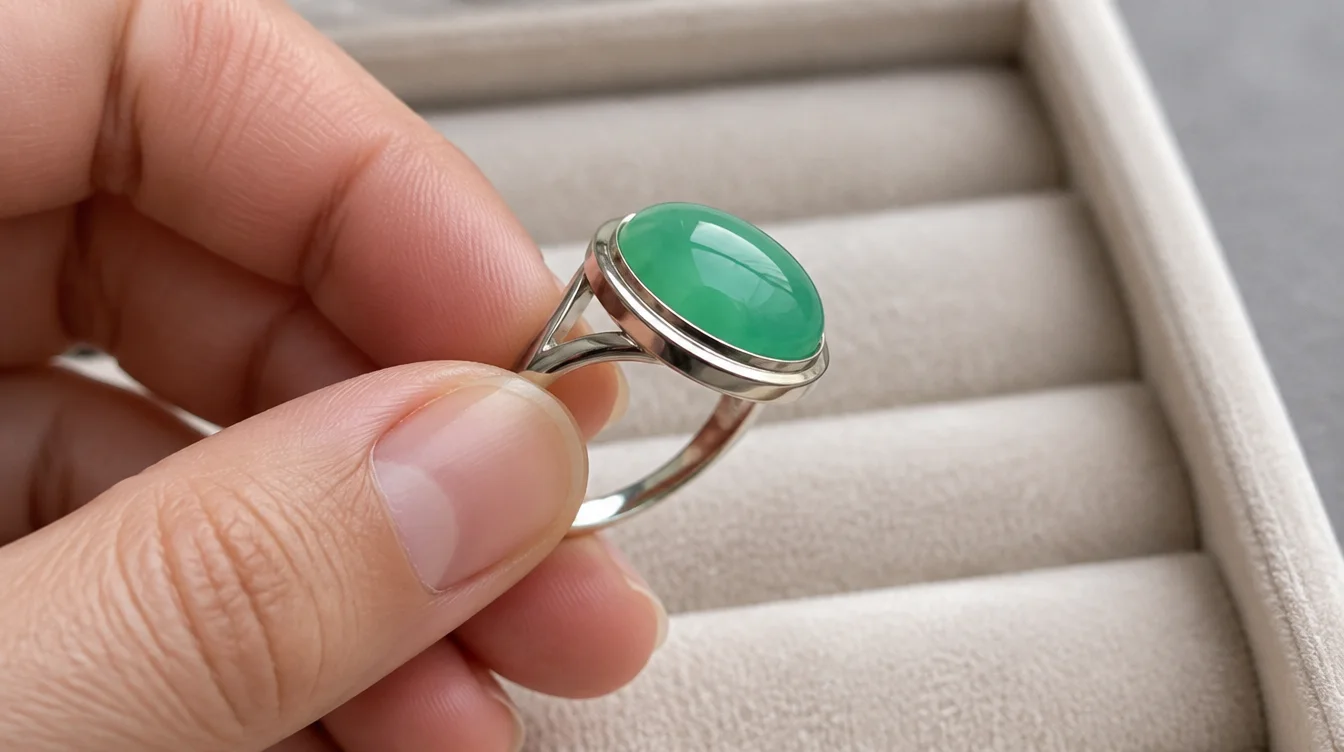
To learn how to identify real chrysoprase, start with safe visual checks. View the front, then the side and back if the setting allows. Look at the green and the polish. Check for color gathered in cracks or bead holes. Note what you see. Looks alone cannot prove identity.
Look at the actual item in ordinary light
Ask to see the exact stone you will receive, not just a sample image. A short video can show its front, edge, and back in steady, neutral light. Ask for a still photo too. Fast video may hide a small pit, a crack near a prong, or a mismatch between earrings.
Judge the color from a normal distance first. Then look closer. Bright close views can make a pale stone look richer than it will on your hand or neck. Screens can shift green too. Compare shape and condition as well as color. If color drives your choice, a return policy lets you judge the piece in person.
Check the cut and setting, not just the green
Chrysoprase is often cut as a smooth cabochon. That cut shows its body color rather than sparkle. The GemSelect buying guide advises buyers to check the dome, outline, and polish. It also notes chips or fractures that may affect looks and wear. On a ring, check exposed edges. Make sure the stone sits securely.
A secure setting cannot turn a cracked stone into a sound one. Nor does a perfect polish prove natural color. Those are separate checks, and treating them separately helps prevent a lovely setting from distracting you from an unanswered material claim.
Visual review can help you choose a piece you like. Written answers help you understand what you are buying.
What should a seller put in writing before you buy?
A useful written description names the stone. It also says what the seller knows about color treatment. “Natural chrysoprase, no known color treatment” tells you more than “genuine green gem.” Yet the claim still rests on the seller’s knowledge and evidence. If treatment status is unknown, the listing should say so.
Ask about the exact piece, especially if the seller has many similar beads or cabochons. A claim about a batch may not cover the pendant shown. Save the listing and the seller’s reply. If the piece arrives with a different description, you can show which claim you relied on.
Ask: “Is the stone chalcedony identified as chrysoprase?” “Is its green natural or has any dye been used?” “What is the basis for that identification?” If there is a report, ask if it covers the actual stone and its treatment. A card that repeats the shop’s gem name may offer no independent evidence.
If dyed green chalcedony is sold as dyed, you can judge whether its color and price suit you. Doubt matters more when a piece costs extra for untreated color. The chrysoprase natural color buying guide test is not whether a seller uses the right words. It is whether the description lets you choose with open eyes.
If a written answer leaves a costly claim in doubt, seek independent identification.
When is independent gem identification worth requesting?
Independent testing helps most when identity or treatment could change your choice. A modest pendant bought for its color may not need a report. A costly piece priced as fine natural chrysoprase might. Weigh the price gap and the seller’s evidence. Then consider your return options and how much doubt you can accept.
Ask a qualified gemologist or established laboratory what they can determine about the actual mounted stone. A setting may limit access for testing, and a report’s wording may be narrower than a seller’s claim. Read the findings rather than treating the presence of a certificate as the answer. “Chalcedony” alone, for example, does not answer every question about natural green color.
Use this simple test. Would you buy the jewel at the same price if its green were dyed? If so, a report may add little. If you would pay less or walk away, seek stronger evidence first. This is not a price formula. It helps you decide whether testing is worth its cost and delay.
Once the identity question is settled as far as you need, make sure the piece suits how you plan to wear it.
Which chrysoprase jewelry suits your daily routine?
Chrysoprase suits jewelry when the stone and setting fit how you will wear it. The supplied GemSelect guide covers cabochons for rings, pendants, and other designs. It also asks buyers to check surface condition and protection. A pendant avoids many knocks a ring may take. Earrings usually touch fewer hard surfaces than a bracelet worn at a desk.
For a ring you will wear often, check the cabochon’s exposed edge and its setting. Make sure prongs do not catch and the stone does not move. A smooth bezel may protect more of the rim, but its fit still matters. For a bracelet, think about contact with tables, doors, and other jewelry.
Clean the piece gently according to the seller’s care advice and keep it away from harsh household chemicals. If any dye or other treatment is disclosed, ask whether that changes cleaning advice. Store the jewel so harder pieces cannot rub against its polish. These habits protect the item you chose, but they cannot make an uncertain identification more certain.
A few short answers can help you make the final buying call.
Frequently asked questions about chrysoprase
Most questions about chrysoprase concern its color, visual clues, and what the seller can support. Keep those issues separate.
Why is chrysoprase green?
Natural chrysoprase gets its green from nickel linked to the chalcedony. The chrysoprase reference. Green alone cannot prove the stone is chrysoprase or that its color is untreated.
Can dyed green chalcedony look like chrysoprase?
Yes. Dyed chalcedony can look much like chrysoprase. A photo may not settle the question. Ask for a written treatment statement. Consider independent testing if natural color affects the price you will pay.
How can I tell whether a chrysoprase listing is trustworthy?
Look for photographs of the actual item, a clear material name, and a direct answer about treatment. A seller who explains what is known, and what is not, gives you more to work with than one who relies on “authentic” alone.
Does an even apple green color mean chrysoprase is dyed?
No. Natural chrysoprase can have even color. Dye may leave no clear mark. Color in cracks can raise concern, but looks alone cannot settle treatment.
Those answers point back to the same final decision: buy the stone you see, with claims you understand.
Choose the green you love, then check the claim
Start with the color you like, but do not stop there. View the actual piece in neutral light. Check its condition and setting. Then ask the seller to name the material and state any known color treatment in writing.
If natural color raises the price, a lovely photo is not proof. Seek independent identification if an unanswered claim could change your choice. Buy only when you like the jewel and understand what is known about it.